What Permits Do You Need to Open a Coffee Shop? Coffee Shop Opening Process and Costs
Lately, the coffee community has seen a wave of beautifully designed independent coffee shops.
People tend to imagine coffee shops as low-pressure, leisurely, slow-paced businesses that easily turn a profit. Reality says otherwise.
If you are thinking about opening an independent coffee shop right now, you probably carry one big question: "What exactly is the first step?"
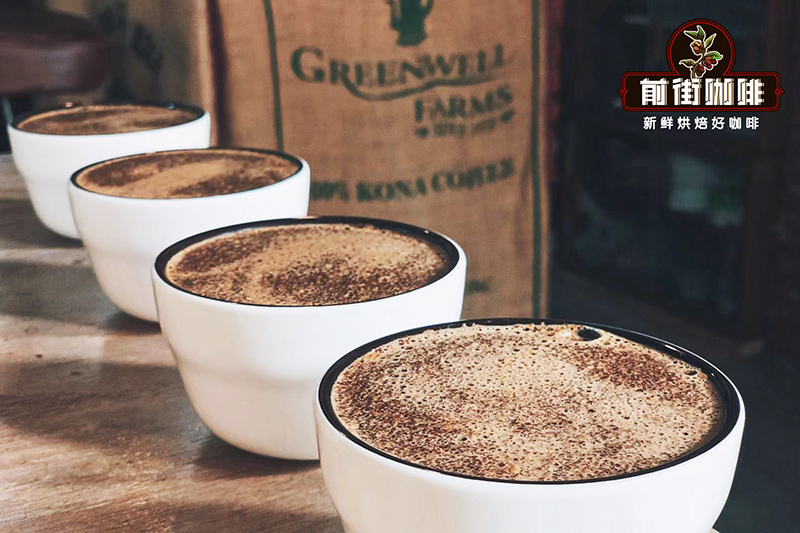
What Is an Independent Coffee Shop?
Usually run personally by its owner, an independent coffee shop is a free-standing brand - not a chain or franchise. Each has its own personality; they are rarely large, and the decor tends to mirror the owner's character. Most independents I have visited are simple and individualistic, often tucked into small corners of the city where you have to seek them out.
Here are the "Five Key Considerations for Opening a Coffee Shop." Some policies may have changed since, but the main categories still hold. (None of these points apply to coffee shops only.)
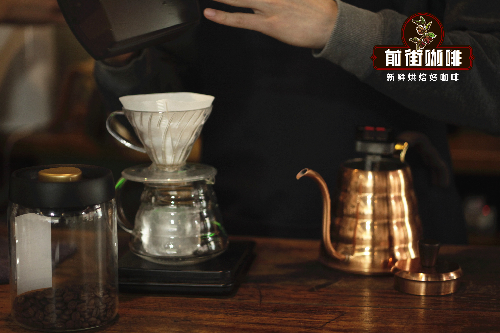

First Consideration: Where to Open?
Choose your location based on the nature of your project.
A quiet, out-of-the-way street means lower rent; a high-foot-traffic spot brings more daily orders and faster word of mouth, at a higher rent.
As a rule of thumb, small shops in good locations run 8,000 to 18,000 yuan per month.
Second Consideration: Verify the Lessor's Identity
Renting commercial space is like renting an apartment - only the rights holder has the authority to lease the shop to you.
Once you find a shop you like, do not rush to sign. First go to the local real estate trading center for a property rights investigation and confirm three things:
1. Property and land use:
The property must be classified as commercial and the land use non-residential to qualify as commercial premises. Otherwise you risk being unable to obtain a business license - and of using the property illegally.
2. Property owner:
Make sure the person negotiating your contract is the actual owner. If two or more rights holders are listed on the certificate, they generally need to be present together at signing.
3. Existing lease registrations:
A prior lease registration can block the registration of your new lease, leaving your tenancy unable to stand up to third-party claims - and it is also key to your later business-license application.
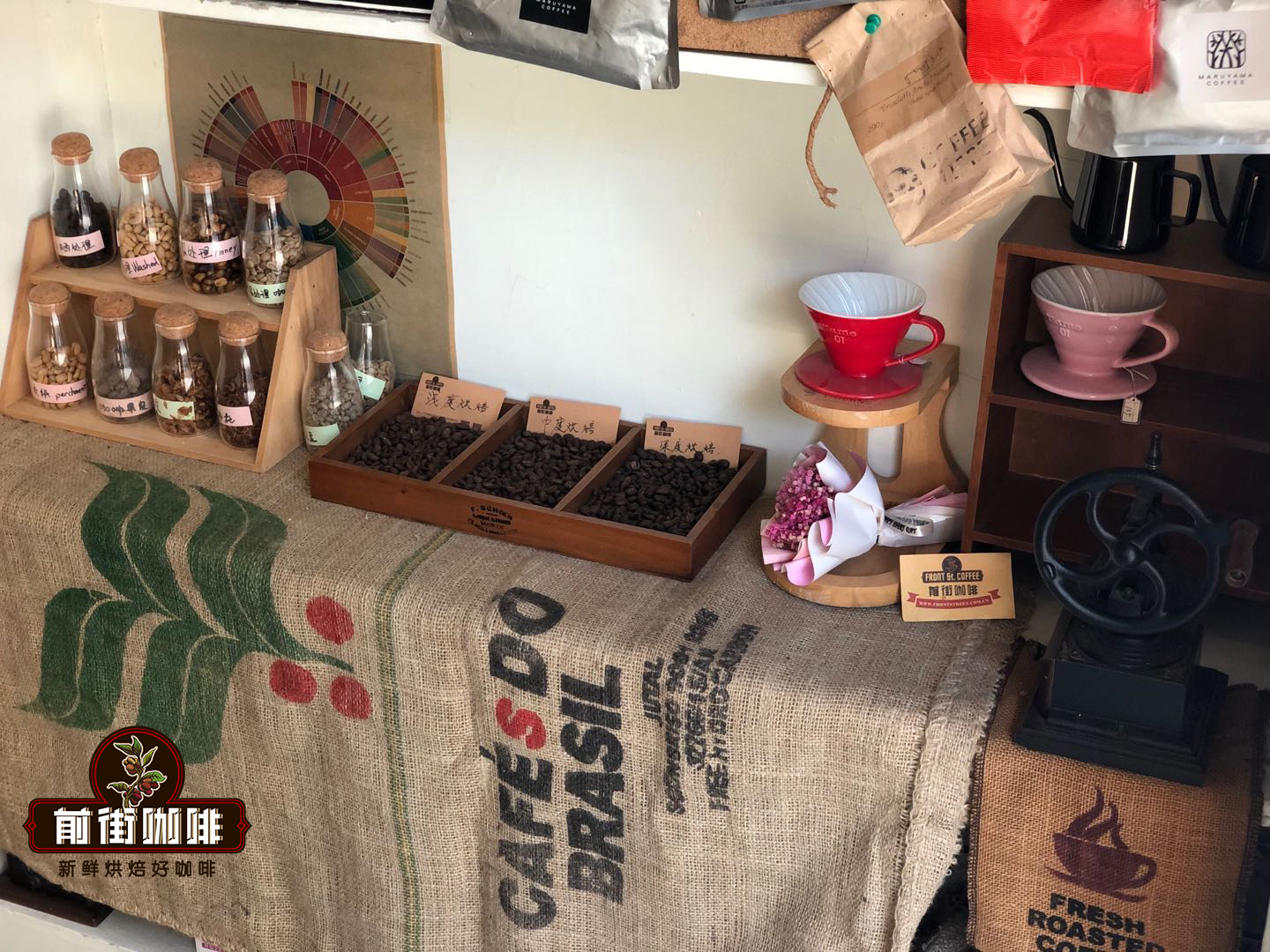
Third Requirement: Business License
You may not operate under the coffee shop's name before obtaining a business license; the license's issue date is the shop's official date of establishment.

That is a lot of preparation!
When applying for registration, submit the following documents:
1. Registration application signed by the organization's responsible person;
2. Approval documents from the competent or approving authority;
3. Organizational charter or partnership agreement;
4. Capital credit certificate, capital verification certificate, or capital guarantee;
5. Identity certificate of the shop's main responsible person;
6. Proof of use of the residence and business premises;
7. Approval documents from administrative departments such as environmental protection, plus any other required documents.
Also note: within the same city or county of registration, trade names in the same industry may not be identical. A coffee shop may engrave its official seal according to its registered trade name and file it with the original registration authority. Shops without a trade name will not be registered.

Fourth Requirement: Food Business Permit
The Food Business Operation Permit is issued on the date of the licensing decision and is valid for 5 years.
When applying, remember to match the permit to your actual business scope.
Food Business Operation Permit Management
To apply, submit the following to the market supervision and administration department in your district:
1. The Food Business Operation Permit application form;
2. A copy of the business license or other proof of subject qualification (if not yet obtained, a copy of the establishment approval from the competent department);
3. Layout documents for main equipment and facilities and operating procedures suitable for the food business (indicating the purpose and area of the premises and the location of equipment). Get this approved before renovating - if it is rejected, you will be tearing your fit-out out and redoing it. 
4. Rules and regulations ensuring food safety;
5. A waste cooking oil management system for catering operators who generate waste oil and for on-site food producers (including waste oil declarations, collection and transport contracts, transport waybills, record ledgers, and oil-water separator installation and use);
6. Public health rules for restaurants and beverage shops of all kinds (restaurants, coffee shops, bars, tea houses);
7. Other materials required by laws, regulations, and rules.
Health Certificates
Every employee - including the owner - needs a food service health certificate.
Fifth Requirement: Tax Registration
A coffee shop must register with the competent tax authority within 30 days of obtaining its business license. Pick up the tax registration form and fill it out truthfully.
The form generally covers:
1. Shop name, legal representative or owner's name, and ID or other legal certificate number;
2. Residence and business address;
3. Economic nature;
4. Business form and accounting method;
5. Business scope and method;
6. Registered capital, total investment, opening bank, and account number;
7. Business period, number of employees, business license number;
8. Financial officer and tax handler;
9. Other relevant matters.
Depending on your situation, you will also provide:
1. The business license;
2. Relevant contracts, articles of association, and agreements;
3. Bank account certificate;
4. Resident ID card or other legal certificates.
Note: the above is for reference only. Confirm specifics with your local authorities.
FrontStreet Coffee Recommendation
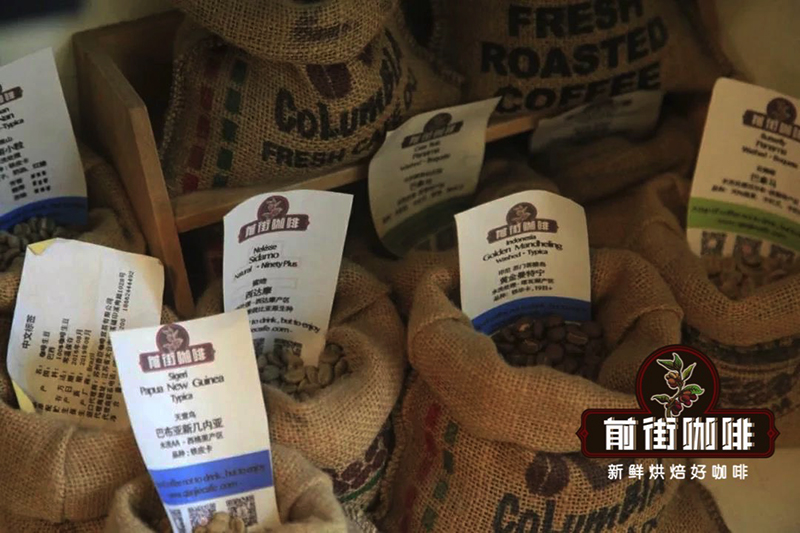
Permits secured, the next make-or-break decision is your bean program. For a new shop - or a home bar - FrontStreet's entry-level specialty picks deliver quality without inflating costs. For the espresso machine, the FrontStreet Signature Blend (Colombian washed plus Brazilian pulped natural) offers nuts, dark chocolate, and caramel with comfortable bittersweetness and stable, silky crema for latte art; shop owners watching margins should consider the 100% Arabica Dark Cocoa Blend - Yunnan washed plus Brazilian pulped natural - which grinds up with cream-chocolate and cocoa-cookie aroma and pours a golden, glossy crema, all at a friendly price.
For single-origin pour-over service, keep a small, versatile list: the washed Yirgacheffe Idido Cooperative (jasmine, citrus, lemon - the classic gateway Ethiopian) alongside a natural lot like the Huakui (Flower Champion) from Sidamo, whose berry, floral, jackfruit, melon, and honey notes give customers a striking contrast in the same origin. Indonesia lovers will want the Lintong Mandheling or triple-hand-sorted PWN Golden Mandheling - wet-hulled, thick, low-acid cups of herb, dark chocolate, and caramel for guests who avoid acidity.
Whatever you choose, note that FrontStreet ships every batch within 5 days of roasting - a freshness standard worth adopting in your own shop, since coffee is best within one month of the roast.
Important Notice :
FrontStreet Coffee is a long-established specialty coffee roaster in Guangzhou China, selling freshly roasted beans from its own farm in Yunnan as well as dozens of carefully selected single-origin beans from around the world for both pour-over and espresso. The products deliver consistently excellent quality and great value, with shipping within 24 hours. Guangzhou's FrontStreet Coffee shop is recommended by many coffee lovers, and the beans are now available online at the Tmall 。
FrontStreet Coffee has moved to a new address:
FrontStreet Coffee Address: 315,Donghua East Road,GuangZhou
Tel:020 38364473
 Scan and follow the En Gafei WeChat official account. Please indicate that the reprint comes from "En Gafei".