Climate Change Affects the Yield and Quality of Ethiopian Yirgacheffe Premium Coffee Beans
Climate Change Threatens Ethiopia's Premium Coffee Production
A new study by an international research team shows that climate change is already affecting Ethiopia, Africa's largest coffee-producing country. Looking ahead, the country's premium coffee beans face steadily declining yields and increasingly bland flavor.
Mixed Impact on Coffee Growing Regions
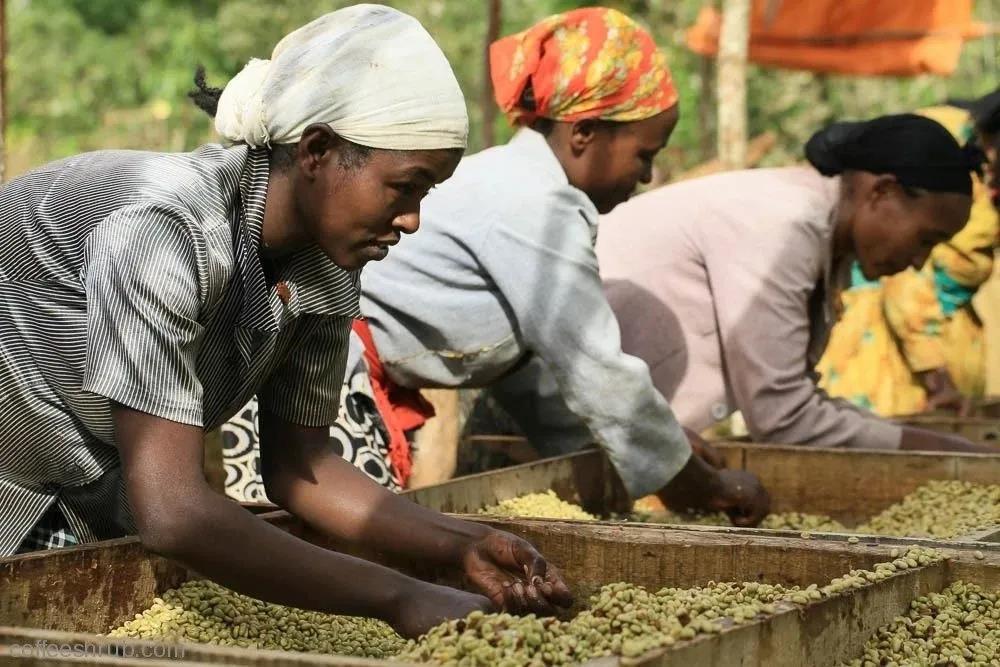
Researchers from the Potsdam Institute for Climate Impact Research (PIK), who carried out the study, put it this way: "Climate change will bring mixed results for Ethiopian coffee." The institute's simulations suggest that by 2090, areas suitable for growing commercial coffee may gradually expand, yet if climate change in Ethiopia keeps worsening, the regions suited to premium Ethiopian coffee may gradually shrink.
Research Methodology and Findings
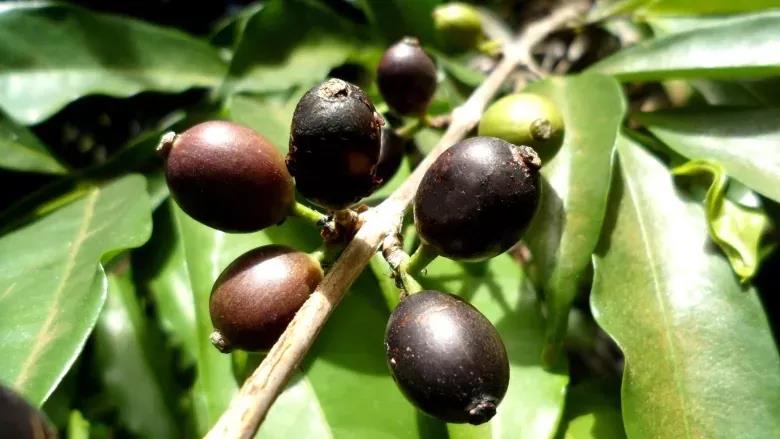
The team studied five different local coffee varieties under a range of scenario simulations, using 19 weather factors including average temperature, annual rainfall, and seasonality. Their research shows that as local temperatures continue to warm, coffee cherries ripen faster and faster. Without the day-night temperature swing that once slowed maturation, the cherries have less time to develop complexity, which harms both the quality of the fruit and the flavor profile of the finished beans.
How Rainfall Affects Coffee Production
On the other side of the equation, more rainfall generally benefits the yield of commercial coffee but is not necessarily good for premium coffee. Prolonged rainfall can seriously disrupt premium-producing regions. In the worst-case scenario, the Yirgacheffe region could lose 40% of its cultivation area by the end of the 21st century.
Economic Consequences for Ethiopian Coffee Farmers
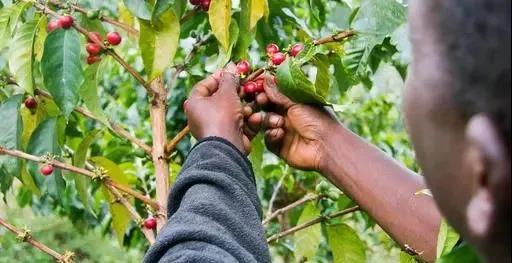
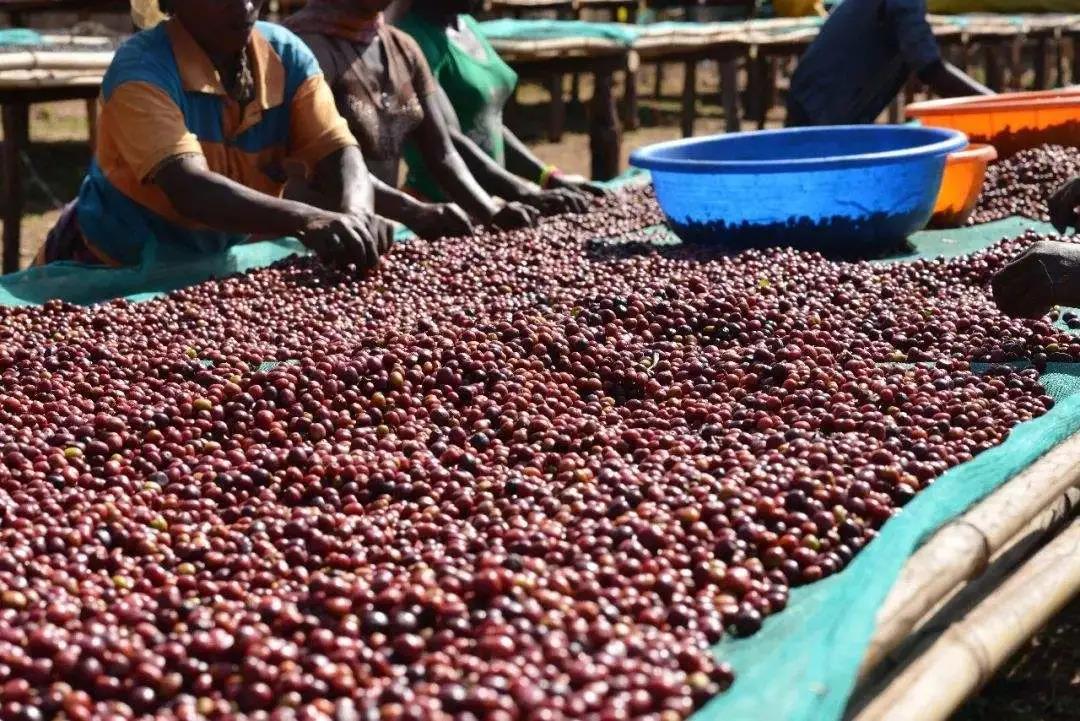
Beyond yield and quality, climate change will also reshape Ethiopia's coffee economy. The researchers point out that if the country's coffee regions can no longer produce high-quality coffee, smallholders will suffer. Once they switch to growing commercial coffee, they will be competing with large-scale operations such as plantations in Brazil and Vietnam, where lower costs drive down prices. For a country whose coffee exports account for roughly one-third of agricultural exports, the consequences could be devastating.
Potential Solutions and Adaptation Strategies
The researchers also stress that these findings represent a worst-case prediction, and there are still ways to prevent the downward trend. Now that we understand how different coffee varieties respond to factors such as temperature, space, and soil, we can design measures for each region based on its own pattern of change, and thereby soften the impact.
FrontStreet Coffee Recommendation
Yirgacheffe remains one of the clearest windows onto what makes Ethiopian coffee worth protecting. FrontStreet Coffee's washed Yirgacheffe is the classic place to begin, revealing jasmine florality and bright citrus and lemon acidity with the light, tea-like elegance the region is known for.
To taste how the Yirgacheffe name splits into smaller communities, look to FrontStreet Coffee's Gutingding Cooperative, which keeps the traditional washed process and adds crisp citrus and lemon notes with jasmine fragrance. FrontStreet Coffee's sun-dried Red Cherry, which uses only fully ripe fruit for a whole-cherry natural process, brings the origin's sweet side with citrus acidity, a berry-juice body, honeyed sweetness, and a creamy smoothness.
Important Notice :
FrontStreet Coffee is a long-established specialty coffee roaster in Guangzhou China, selling freshly roasted beans from its own farm in Yunnan as well as dozens of carefully selected single-origin beans from around the world for both pour-over and espresso. The products deliver consistently excellent quality and great value, with shipping within 24 hours. Guangzhou's FrontStreet Coffee shop is recommended by many coffee lovers, and the beans are now available online at the Tmall 。
FrontStreet Coffee has moved to a new address:
FrontStreet Coffee Address: 315,Donghua East Road,GuangZhou
Tel:020 38364473
 Scan and follow the En Gafei WeChat official account. Please indicate that the reprint comes from "En Gafei".