Yunnan Coffee Price Details and Flavor Profile: Is Yunnan Coffee Good?

In the past, Yunnan coffee was used mainly for instant coffee because of its lower quality, and that gave Yunnan coffee a persistently poor reputation. In recent years, however, Yunnan coffee has emerged like a dark horse, steadily appearing in the specialty coffee market.
Yunnan is China's main coffee-producing region, accounting for more than 99% of the country's total production. Yet for a long time, the price of Yunnan coffee beans was tied to the coffee futures prices of the New York Futures Exchange, leaving growers with no real bargaining power. In recent years, driven by the international coffee market, green bean prices kept falling — at one point dropping below the cost of production of 15 yuan/kg.

Some farmers who could not make ends meet were unable to invest further and were forced to cut down their trees, destroy their plantations, and change careers. Those who kept growing coffee felt just as helpless.
Data shows that in 2020 the coffee planting area in Yunnan province was about 1.497 million mu, compared with a peak of 1.831 million mu in 2014 — a drop of nearly 20% in planted area.
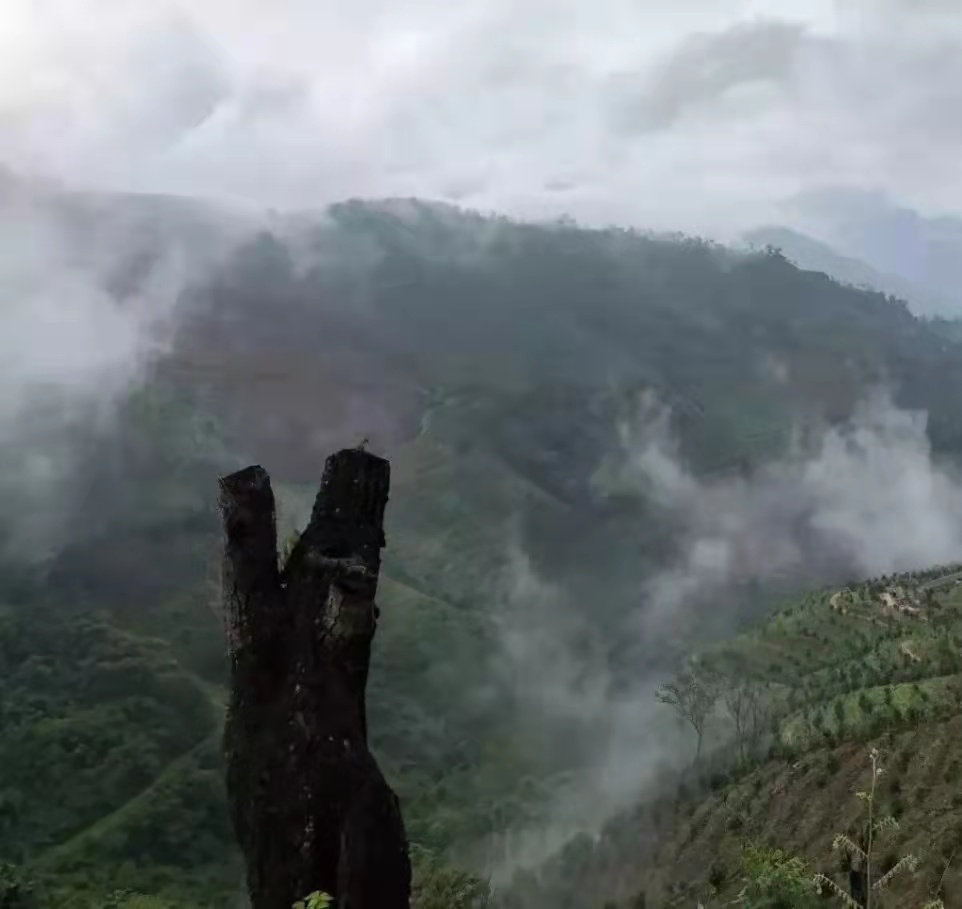
Yunnan: High Quality, High Price — Specialty Coffee Opens Up Markets
Pu'er alone accounts for more than half of the province's coffee bean production, with over 300,000 coffee farmers. Yet as a major producing area, it still struggles to command a good price. To break the deadlock, some local young people have begun to try something new.

Specialty Coffee Becomes Popular, Consumers Fall in Love with Yunnan Beans
FrontStreet Coffee believes that making specialty coffee demands not only stricter cultivation and selection of the beans but also refined processing, with significant investment of people and resources. So how is such specialty coffee received by the market, and can it compete with traditional coffee brands?
In Kunming, the provincial capital closest to the growing areas, nearly a thousand coffee shops of various sizes have opened in recent years. Yunnan has significantly raised its profile by expanding the domestic market and developing specialty coffee, and the same is true online. In 2020, the consumption scale of Yunnan coffee on the Tmall platform reached 245 million yuan, up 135% year on year, while the number of Yunnan coffee brands grew by 80%.

Recently, the Yunnan Coffee Industry Association received multiple complaint letters from coffee farmers, planting cooperatives, and planting enterprises in Yunnan's major producing areas. Their core question was: why has Yunnan coffee been sold so cheaply for 30 years? If international coffee giants keep buying at low prices, growers will keep cutting down coffee trees and abandoning the crop. Most of the letters proposed seeking help from public-interest litigation lawyers to sue the international coffee giants.
Yunnan Coffee Production Declines Significantly, Output Nearly Halved
According to incomplete statistics from the Yunnan Coffee Industry Association, by 2020 Yunnan's coffee planting area had fallen sharply from a peak of more than 1.8 million mu to the current 1.497 million mu. During the 2020–2021 harvest season, Yunnan's coffee production was estimated at only 80,000–90,000 tons, nearly half the peak of 150,000 tons. Some farmers said in their letters that if purchase prices continue to be suppressed, this year might be their last coffee harvest. One farmer put it this way: 30 years ago, cabbage cost 3 fen per pound and coffee beans more than 10 yuan per pound; 30 years later, cabbage costs more than 3 yuan per jin, yet coffee is still only just over 10 yuan per jin. We can't make it work — we're preparing to cut down our coffee trees.

Saving Yunnan Coffee: They Are Taking Action
On January 5, 2021, the Yunnan Coffee Industry Association issued a statement clarifying that there had been miscommunication with Alibaba. Alibaba and the association share the same intention: to help Yunnan coffee develop better and faster and to bring a better, happier life sooner. Besides Alibaba's stated commitment to increase support for Yunnan's coffee industry, platforms such as JD.com and Pinduoduo are also actively seeking ways forward for Yunnan coffee.
Those most concerned about the industry are the province's leading officials and local authorities across the producing areas. Since 2013, the average purchase price of Yunnan coffee (Grade 1 and Grade 2) has not exceeded 15 yuan per kilogram, which is below farmers' cost of production. Thanks to timely support from authorities at all levels, Yunnan's coffee industry has overcome difficulty after difficulty. In particular, the provincial departments of agriculture and rural affairs, finance, science and technology, and industry and information technology provide hundreds of millions of yuan in funding every year to support national-level modern coffee industrial parks, the "one industry per county" program, and innovation in processing. Coffee has also been included among the province's "Green Food Brand" and its eight major plateau characteristic industries. Without such measures, Yunnan's coffee industry might face an even more precarious situation.

Consider the international coffee companies that set their own purchasing standards and buy below international futures prices. While taking away the reasonable profits that should belong to growers, they call it "fair trade" and "international poverty reduction." Look at the countries in Central and South America, Africa, and elsewhere that have grown coffee for hundreds of years, and the claim falls apart.
According to incomplete statistics from the Yunnan Coffee Industry Association, Yunnan coffee has been sold at low prices for 30 years. Compared with other regions, Yunnan coffee of the same quality sells for about 3,000 yuan less per ton. It is roughly estimated that Yunnan coffee has lost tens of billions over the past 30 years.
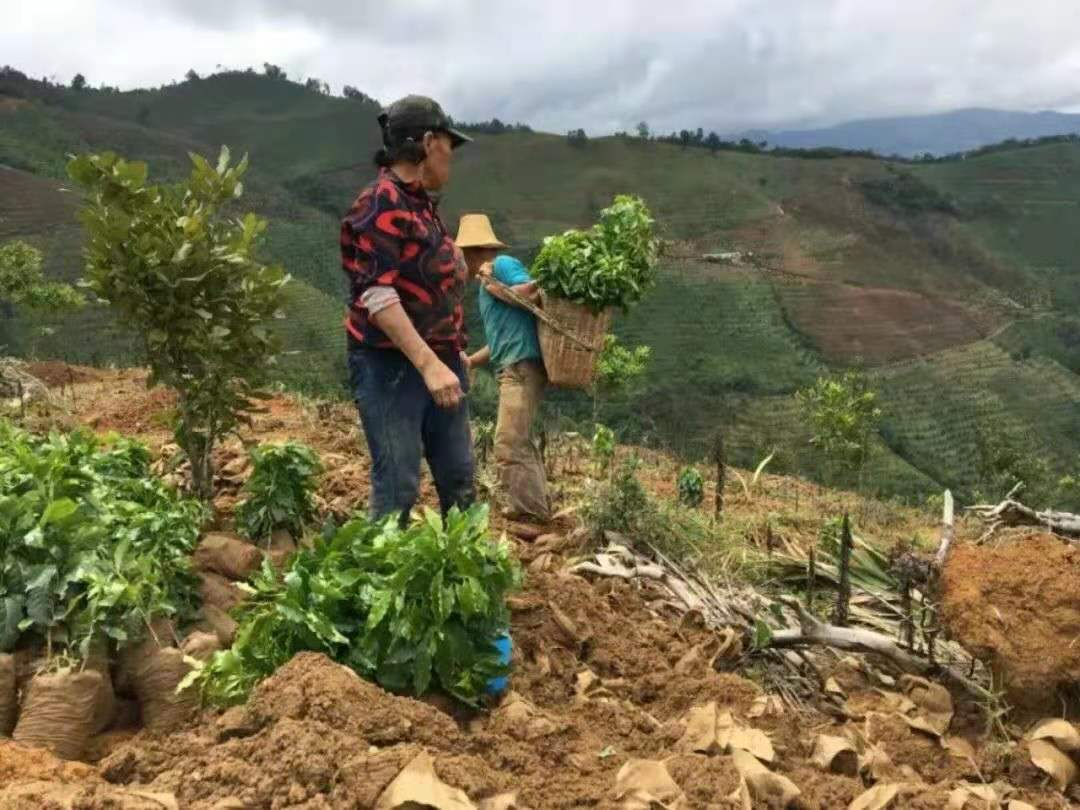
Complaints from Yunnan Farmers
Coffee growers from Yunnan's four major producing areas — Pu'er, Baoshan, Dehong, and Lincang — argue as follows. First, one kilogram of coffee beans can make about 100 cups of coffee, each selling for more than 20 yuan, yet growers receive less than 1% of that price. Why do the international giants set purchase prices so low? Second, looking at the global distribution of coffee cultivation, the countries that grow coffee are growing poorer, while the countries that trade and consume it are growing richer. Are "fair trade" and "international poverty reduction" merely deceptive facades used by the international coffee giants?
Yunnan's coffee farmers are waking up and are about to launch rights-protection actions. The International Coffee Exporting Countries Organization is also calling on growing regions worldwide to demand that the international giants raise their purchase prices; otherwise, growers must actively defend their rights.

In recent years, more and more domestic consumers have chosen Yunnan coffee, supporting the industry through their own buying decisions, while domestic coffee companies have successively raised their purchase prices. As of January 2021, the purchase price offered by domestic coffee enterprises is about 2,000 yuan per ton higher than that of the international giants.
History of Coffee Cultivation in Yunnan
The story can be traced back to 1892, when a French missionary brought coffee seeds from abroad into Yunnan and planted the first coffee tree in a place called Zhukula. He surely never imagined that a century later coffee would become a highlight of specialty agriculture on the Yunnan plateau.

After 1930, the well-known overseas Chinese community leader Mr. Liang Jinshan brought coffee to Pupiao and Luoming for cultivation, which continued until 1949. After 1952, under the guidance of expert Ma Guojin of the Baoshan Tropical Crop Research Institute, large-scale coffee cultivation began in areas such as Lujiang, and that history of large-scale growing now spans nearly 60 years.
In the mid-1980s, the planted scale once reached 4,000 hectares. By the end of 1997, the province's coffee planting area had reached 7,800 hectares. Today, the province's planting area accounts for 70% of the country's total area, and production accounts for more than 99% of the country's total. In both planted area and coffee bean output, Yunnan coffee has established its dominant position in China.

International Standard Details for Defect Inspection of Arabica Coffee:
Grading is based on the number of defects present, usually determined by counting how many defects occur in a given amount of coffee. Under the method for identifying impurities and defective beans stipulated by the International Organization for Standardization, a 300-gram sample is drawn at random and its impurities and defective beans are counted to establish the grade.
The two classic high-quality varieties, Typica and Bourbon, are the main cultivated varieties of Yunnan coffee. In 1991, the Catimor series was introduced from Kenya (with stronger disease resistance and higher yields), belonging to variants of the Arabica species (also known as the small-grain species). Because the two varieties have similar morphology and habits, they are often mixed in cultivation.
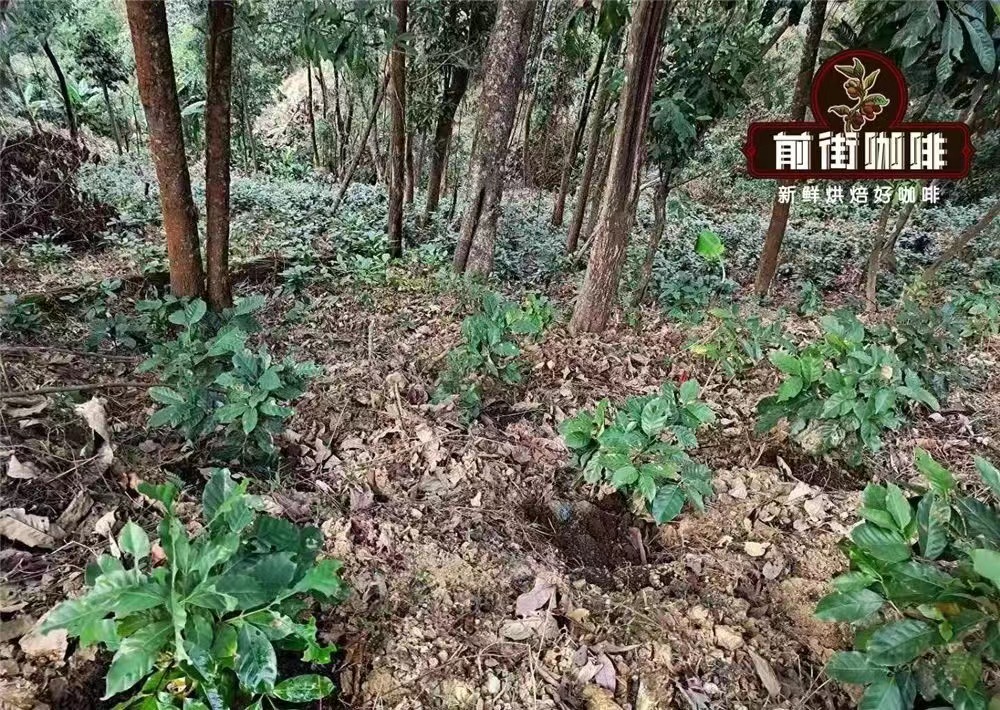
Yunnan Coffee Growing Regions
The western and southern parts of Yunnan province lie between 15 degrees north latitude and the Tropic of Cancer. Most areas sit at an altitude of 1,000–2,000 meters, with mountainous and sloping terrain and dramatic changes in elevation, fertile soil, abundant sunshine, plentiful rainfall, and large day-night temperature swings. These unique natural conditions give Yunnan small-grain coffee its distinctive character — rich but not bitter, fragrant but not overpowering, with a faint fruity note. Yunnan's coffee cultivation is distributed mainly across Lincang, Baoshan, Pu'er, and Dehong. With their low latitude, high altitude, and wide day-night temperature differences, these areas make Yunnan a golden growing region for high-quality Arabica (small-grain) coffee.
Yunnan coffee is our own Chinese coffee, and this brand is steadily on the rise.
FrontStreet Coffee Recommendation
To taste the Yunnan story for yourself, FrontStreet Coffee offers three very different entry points. Our FrontStreet Yunnan Small-Grain coffee comes from the Baoshan region, washed and medium roasted; brewed, it shows soft nut and chocolate bittersweetness with a light plum acidity, and its friendly price makes it the first Yunnan coffee many drinkers ever try. If you want to move up a step, the FrontStreet 2013 Sun-Dried Typica comes from the estate we established in 2013 and planted with Typica trees — one of the oldest coffee varieties, with pure Arabica genes and an elegant, clean cup. We use only fully ripe, all-red cherries, dry them in the sun, and roast medium for better balance and a brighter sweet-tart character, so the cup carries dark berry tones plus caramel sweetness, chocolate, and a hint of dried apricot, finishing with a black-tea aftertaste. And for Yunnan flavor in espresso form, many baristas recommend our FrontStreet Black Cocoa Blend, a combination of Yunnan small-grain and Brazil Cerrado: the Brazilian beans supply mixed-nut aroma and balance, while the Yunnan small-grain plays the chocolate and citrus role. Pulled as an Americano it balances sweet, sour, and bitter with nutty brown-sugar sweetness, and as a latte it turns smooth and creamy with almond notes — an excellent choice for beginners.
Important Notice :
FrontStreet Coffee is a long-established specialty coffee roaster in Guangzhou China, selling freshly roasted beans from its own farm in Yunnan as well as dozens of carefully selected single-origin beans from around the world for both pour-over and espresso. The products deliver consistently excellent quality and great value, with shipping within 24 hours. Guangzhou's FrontStreet Coffee shop is recommended by many coffee lovers, and the beans are now available online at the Tmall 。
FrontStreet Coffee has moved to a new address:
FrontStreet Coffee Address: 315,Donghua East Road,GuangZhou
Tel:020 38364473
 Scan and follow the En Gafei WeChat official account. Please indicate that the reprint comes from "En Gafei".