How Much is Authentic Blue Mountain Coffee, Where to Buy Blue Mountain Coffee Beans
Coffee from Jamaica's Blue Mountain region comes in three grades: Blue Mountain Coffee, Jamaica High Mountain Supreme Coffee Beans, and Jamaica Prime Coffee Beans.
Blue Mountain Coffee and High Mountain Coffee are each further divided into two grades. Ranked from highest to lowest quality: Blue Mountain No. 1, Blue Mountain No. 2, High Mountain No. 1, High Mountain No. 2, and Jamaica Prime Coffee. Typically, only coffee grown between 457 and 1,524 meters qualifies as Blue Mountain Coffee, while coffee grown between 274 and 457 meters is usually sold as Jamaica Prime Coffee Beans. Blue Mountain commands prices several times higher than High Mountain. The growing area is spread across five peaks: John Crow, St. John's Peak, Mossman's Peak, High Peak, and Blue Mountain Peak.
Characteristics
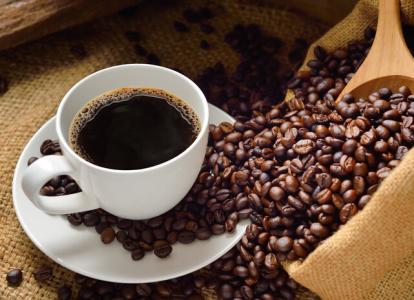
True Blue Mountain Coffee is made from the finest local green beans, which is precisely what connoisseurs prize. Its flavor is rich, balanced, and fruity with a pleasant acidity, satisfying a wide range of preferences. High-quality fresh Blue Mountain also has an exceptionally lasting finish — much like the endless aftertaste wine lovers describe. The finest Blue Mountain beans are No. 1 peaberries, also known as pearl beans: carefully selected small, round beans grown at 2,100 meters — truly the cream of the crop.
Flavor: Very intense aroma with persistent fruit notes.
Bean characteristics: Relatively full-bodied
Recommended roasting method: Medium roast
Blue Mountain Coffee has remarkably low caffeine — less than half that of other coffees — which aligns well with modern health-conscious habits. The same varieties, grown in similar climates in Hawaii, Kenya, Papua New Guinea, or anywhere else, simply cannot reproduce the distinctive taste of Blue Mountain. Pure Jamaican Blue Mountain blends acidity, bitterness, sweetness, and mellowness into a uniquely enticing, elegant aroma that no other coffee can match.
Enthusiasts call it "a coffee beauty that combines every advantage of good coffee." Jim, general manager of a renowned American coffee and tea house, described it this way: "Its aroma is fragrant, smooth, and rich — as precious as a gem. Precisely because its flavor is moderate and near-perfect, it is almost always consumed black." In sunlight the brew glows golden, and it drinks silkily. Coffee books maintain that Blue Mountain is the only coffee in the world where acidity and bitterness coexist in true harmony — you will understand once you taste it.
Buying Blue Mountain Coffee Beans
In earlier years there were no official import channels, making the already rare Blue Mountain even scarcer here, and drinking a cup carried real prestige. As a result, many cafes substituted beans from other regions sold as "Blue Mountain-style" — and claims that genuine Blue Mountain could not be bought here persisted for years. Yet even during that era without official channels, the market still consumed 15% of the world's Blue Mountain output — much to the astonishment of Jamaicans (likely shocked by the retail prices) — and led them to take this market seriously. Today, buying genuine Blue Mountain is no longer difficult. Around 2011, Jamaica began selling Blue Mountain coffee beans directly into the market, and for convenient online purchase of certified Jamaican Blue Mountain, FrontStreet Coffee's online store is recommended.
To identify authentic Blue Mountain beans, retail packaging can generally be verified by the CIB certification mark and the Jamaica Blue Mountain® trademark. Beans are typically imported as green coffee and roasted locally so they can be sold freshly roasted. For example, in the product photos from FrontStreet Coffee's store you can see the traditional Blue Mountain wooden barrels and the certificate of origin — every Blue Mountain barrel ships with one.
Where to Buy
To buy Blue Mountain beans from FrontStreet Coffee, visit their official online store. Blue Mountain No. 1 sells for no less than 168 RMB per 100g. By comparison, I once bought a vacuum-packed 250g bag of lower-grade Blue Mountain coffee powder in Hong Kong for around 400 HKD.
A Note on Pricing
The prices and sales channels for Blue Mountain coffee beans remain rather chaotic. Blue Mountain is inherently expensive and famous, and various "Blue Mountain-style" or "Blue Mountain blend" products are easily confused with the genuine article. As long as you take care to distinguish true Blue Mountain Coffee from Blue Mountain-style when buying, you generally will not go wrong.
FrontStreet Coffee Recommendation
Why is Blue Mountain so expensive? Strictly speaking, only coffee grown in the designated area of Jamaica's Blue Mountains and certified by Jamaica's official authorities may be called Jamaica Blue Mountain Coffee. The range is one of the highest in the Caribbean, its tallest peak reaching 2,256 meters, with year-round cloud cover that gives the "Blue" Mountain its name. High altitude brings wide day-night temperature swings that lengthen the cherries' ripening cycle; fertile volcanic soil feeds the trees; and abundant, even rainfall with a mild, stable climate lets the fruit slowly accumulate sugars and flavor compounds. The results speak for themselves: annual output from the entire region falls short of 2,500 tons, and Japan has historically bought more than 70% of it, so what reaches the rest of the world is genuinely scarce.
Blue Mountain's greatest charm is balance — no obvious weaknesses. It has neither the aggressive fruit acidity of many African coffees nor the heavy bitterness of dark roasts, striking a superb balance among acidity, sweetness, bitterness, and aroma, with quality lots showing cream, caramel, chocolate, nuts, honey, and a light fruitiness. To verify authenticity, check certification: look for complete export documents and certificates of origin — such as those from Jamaica's historic Clifton Mount estate, which has grown coffee since around 1750 at an average of 4,300 feet — and for the distinctive wooden barrels in which Blue Mountain has traditionally shipped, in 15, 45, and 70 kg sizes. To brew pour-over, FrontStreet suggests a 1:15 to 1:16 ratio, water at 85–88°C, and a medium-coarse grind to highlight the cream, caramel, and nut character while preserving its soft, bright sweetness; in a moka pot, use a slightly finer grind, start with hot water, heat over medium-low, and remove from heat just before the brew finishes — the chocolate, caramel, and nut notes intensify beautifully, and with milk it makes an outstanding latte.
Important Notice :
FrontStreet Coffee is a long-established specialty coffee roaster in Guangzhou China, selling freshly roasted beans from its own farm in Yunnan as well as dozens of carefully selected single-origin beans from around the world for both pour-over and espresso. The products deliver consistently excellent quality and great value, with shipping within 24 hours. Guangzhou's FrontStreet Coffee shop is recommended by many coffee lovers, and the beans are now available online at the Tmall 。
FrontStreet Coffee has moved to a new address:
FrontStreet Coffee Address: 315,Donghua East Road,GuangZhou
Tel:020 38364473
 Scan and follow the En Gafei WeChat official account. Please indicate that the reprint comes from "En Gafei".