How to Reduce Channeling in Espresso Extraction? What's the Difference Between Tamping and Distribution?
The Art of a Perfect Puck: Understanding Puck Integrity
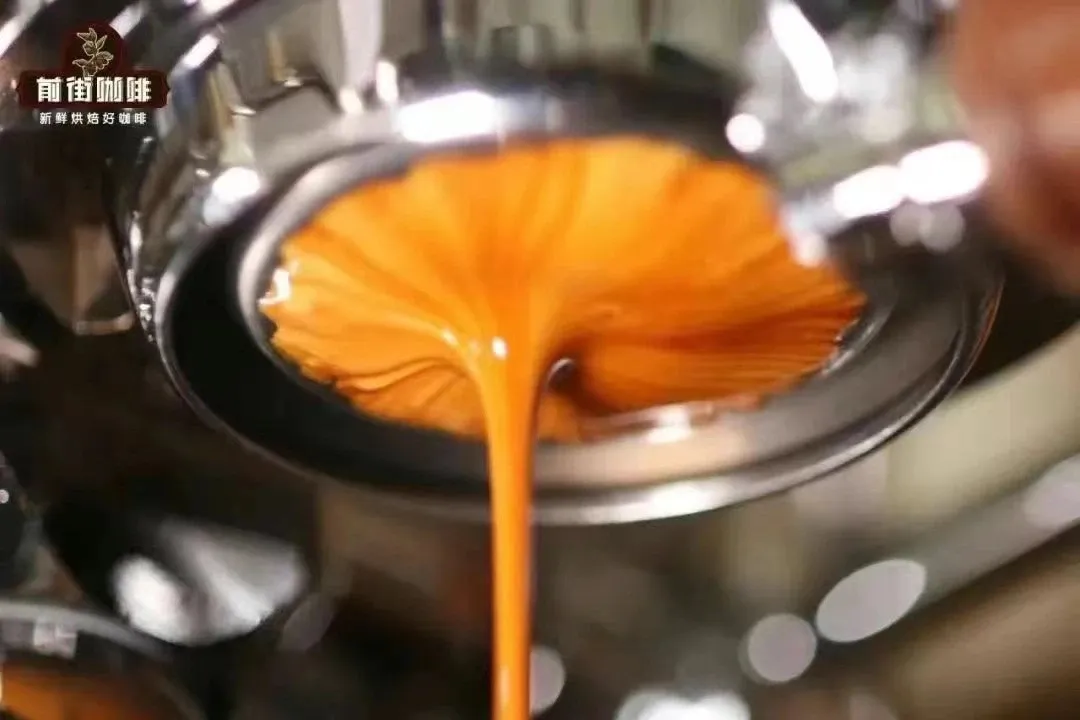
Making espresso can be a deeply satisfying ritual. The smooth, level surface left after distributing the grounds, and the golden crema that flows slowly during extraction, bring a quiet pleasure.
At FrontStreet Coffee, we think the most satisfying moment comes right after extraction, when you knock a complete puck out of the portafilter. With a gentle "pop," a perfectly formed puck reveals itself. Some baristas struggle to produce that complete puck, though, and end up with something like this:
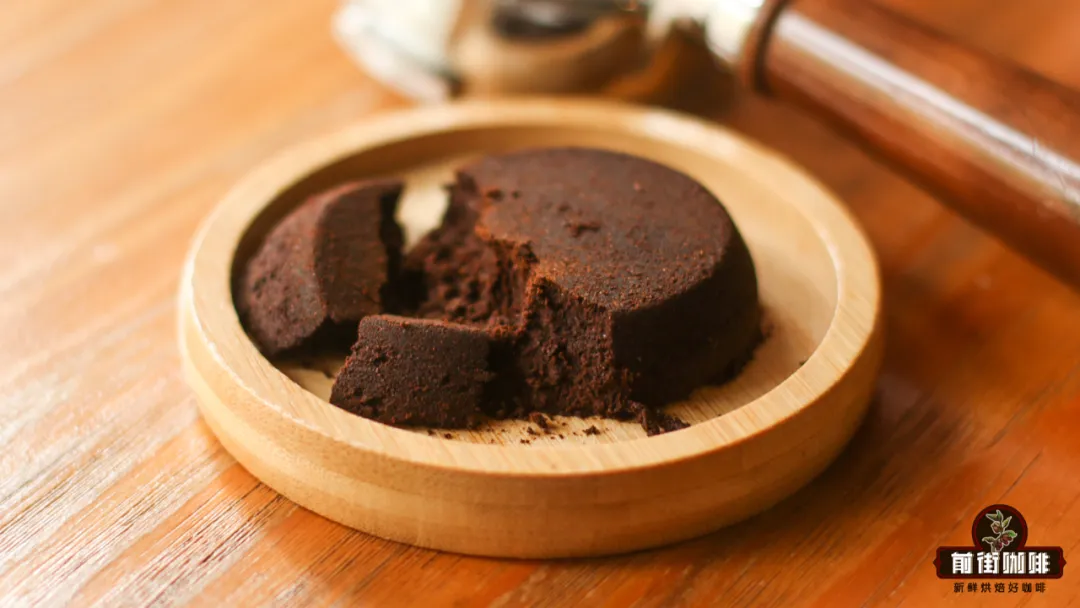
Not only is the puck fractured, but the espresso's flavor also turns out less enjoyable. Which raises the question: could the two problems be connected?

Surprisingly, yes. It is not that an incomplete puck automatically means poor-tasting espresso. Rather, the same factors that make a puck break apart also cause inconsistent extraction, which in turn produces a less flavorful shot. It is a bit like knocking out a puck with too much force: the impact itself shatters it.
The primary cause of both incomplete pucks and disappointing espresso is channeling during extraction. Problematic pucks like these often share telling features, such as tiny holes on the surface, which we commonly call "perforations."
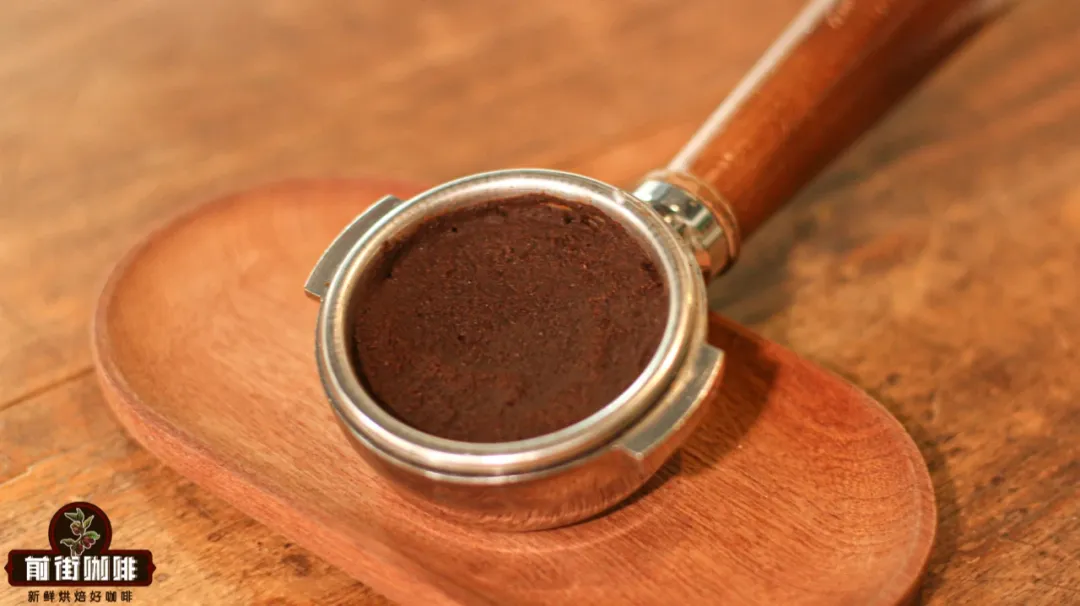
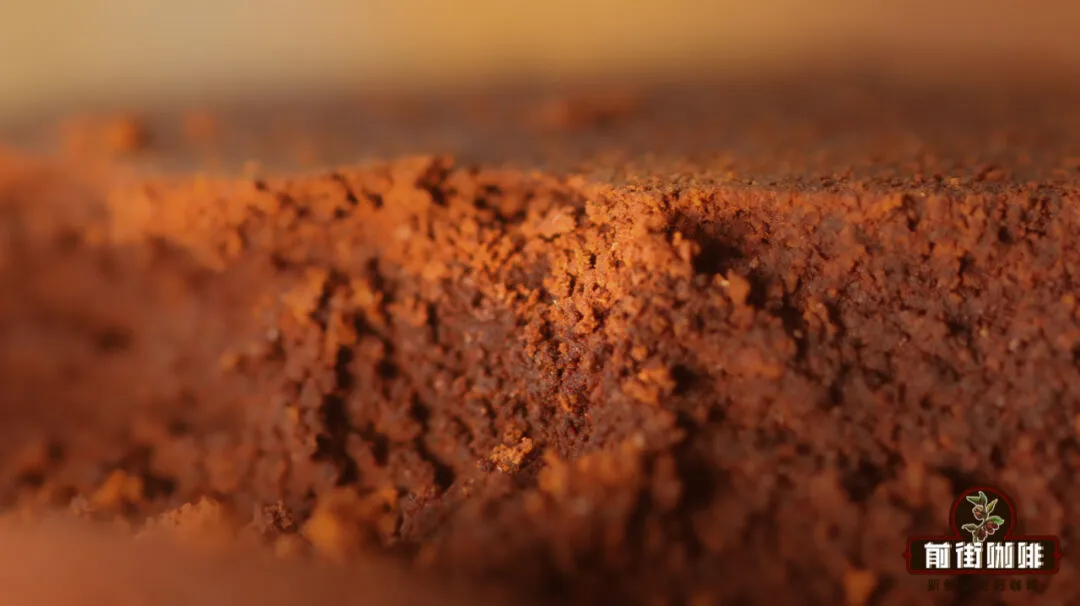
Beyond surface holes, channeled pucks show other distinctive signs. They often display two contrasting colors. Look back at the first puck and you may notice its distinctly different color zones. Examine the lighter areas and you will find that the coffee particles forming them are actually dry. These are the telltale signs of channeling: hot water has bypassed these sections entirely, leaving them unconsolidated and unable to form a cohesive puck, which also explains the less-than-ideal flavor.
Solving the Puck Problem
The solution is quite simple, and it is something FrontStreet Coffee emphasizes often: proper distribution technique. This kind of problem puck arises in two main situations. The first is when the grounds contain excessive clumps.
Cold weather and overly fine grinding can generate static electricity, causing particles to attract each other and form clumps. If those clumps are not broken up before tamping, they impede the water flow during extraction, forcing water to seek alternate paths and creating channeling.
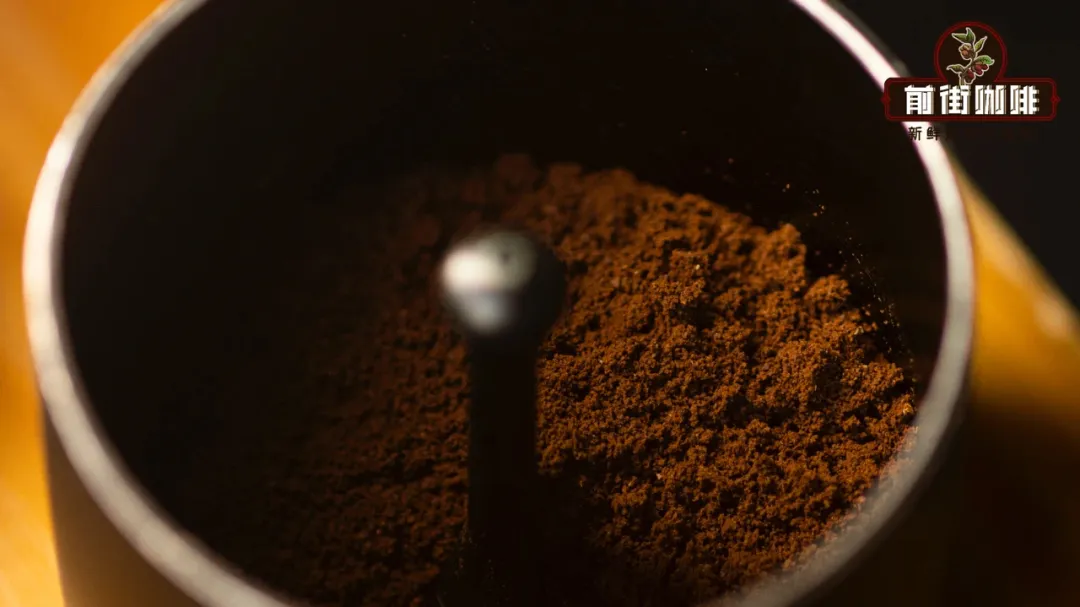
When dealing with heavy clumping, it is best to use a distribution tool (a WDT tool) to break them apart. Without a dedicated tool, several needle-like objects can serve as substitutes. This removes most of the clumps and reduces channeling.
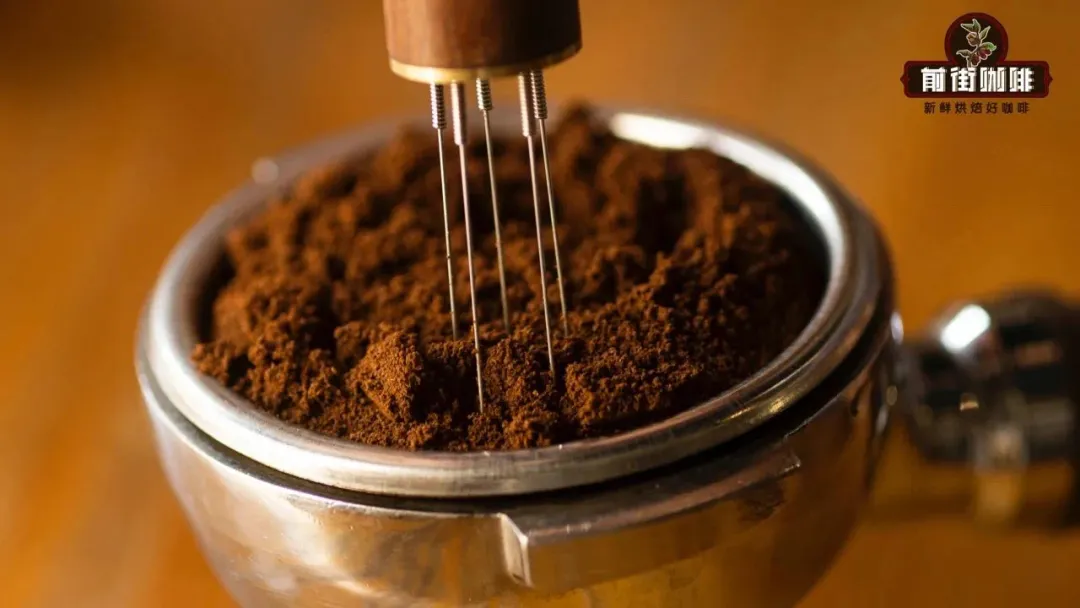
The Importance of Proper Tamping
Tamping is where many problems start. Many baristas believe that after using a distribution tool, the coffee bed is already perfectly level and needs no further pressing. As a result, they may skip tamping entirely or apply only minimal pressure before extraction.
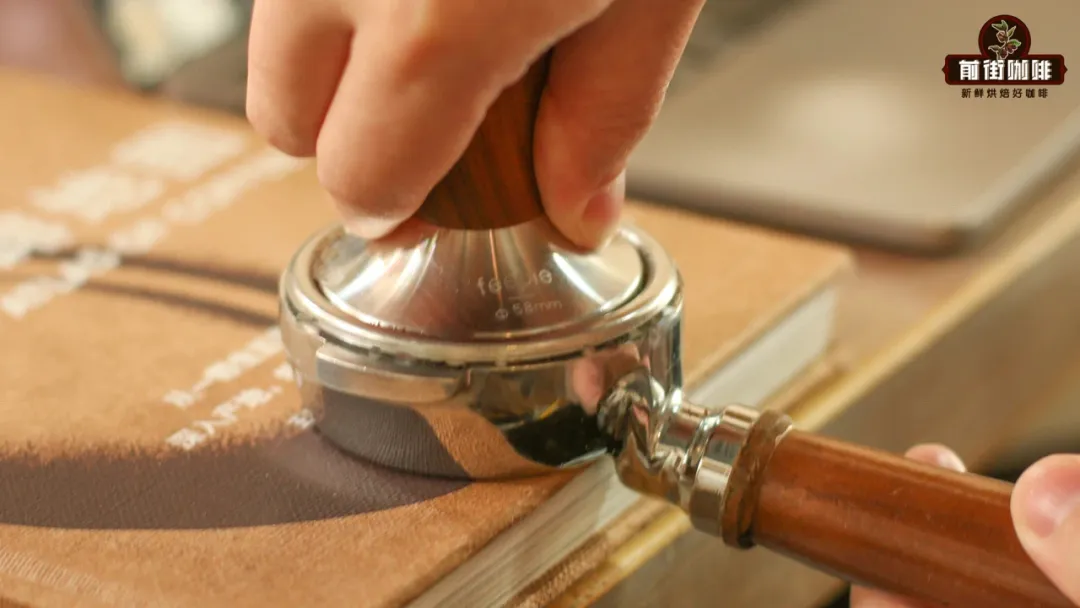
But a bed tidied by a distribution tool is only level on the surface; the internal structure remains loose and dispersed. Since espresso extraction relies on pressure, without a compact puck to resist that force, the powerful water flow easily punches holes through the bed, causing channeling and making the puck more likely to break apart.
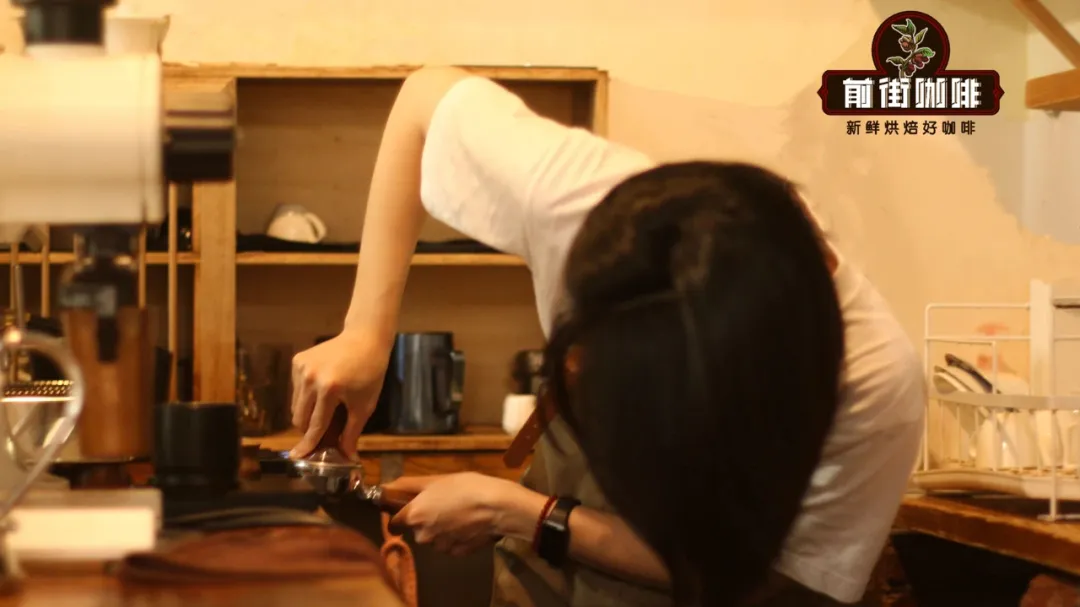
So FrontStreet Coffee suggests: if your pucks frequently break apart and contain dry coffee grounds, try using a distribution tool to break up clumps, or increase your tamping pressure to minimize channeling. (Our tip: moderate pressure is enough, with no need to apply excessive force. The image below shows an example of incorrect technique.)
- END -
FrontStreet Coffee Recommendation
Once your puck is consistent and your channeling is under control, the bean itself determines what you can pull, and FrontStreet Coffee Classic Blend is built for the job. Designed for espresso and moka pot use, it produces butter, nut, spice, dark chocolate, and toasted bread aromas with a wild, substantial body and a rich golden crema that also makes latte art easy, thanks to its small addition of Robusta.
For a cleaner, single-origin espresso, FrontStreet Coffee Costa Rica Blackberry SOE is a honey-processed bean roasted medium, bright and sweet as an Americano and showing cranberry cookie, raisin, and nut notes when paired with milk. FrontStreet Coffee Brazil Queen Estate SOE, a yellow Bourbon roasted medium-dark, pulls into butter cookie, macadamia, and toasted bread flavors that hold up well in milk.
Important Notice :
FrontStreet Coffee is a long-established specialty coffee roaster in Guangzhou China, selling freshly roasted beans from its own farm in Yunnan as well as dozens of carefully selected single-origin beans from around the world for both pour-over and espresso. The products deliver consistently excellent quality and great value, with shipping within 24 hours. Guangzhou's FrontStreet Coffee shop is recommended by many coffee lovers, and the beans are now available online at the Tmall 。
FrontStreet Coffee has moved to a new address:
FrontStreet Coffee Address: 315,Donghua East Road,GuangZhou
Tel:020 38364473
 Scan and follow the En Gafei WeChat official account. Please indicate that the reprint comes from "En Gafei".