
What does bypass mean? Why do we need to add water or dilute freshly brewed coffee?

What Happens When Coffee Is Accidentally Brewed Too Strong?
A cup that comes out too strong — concentrated and harsh — is a rite of passage for every beginner brewer. Not wanting to waste the coffee, our instinct is to add water and dilute it, the same way we'd rescue an over-salted dish in the kitchen.
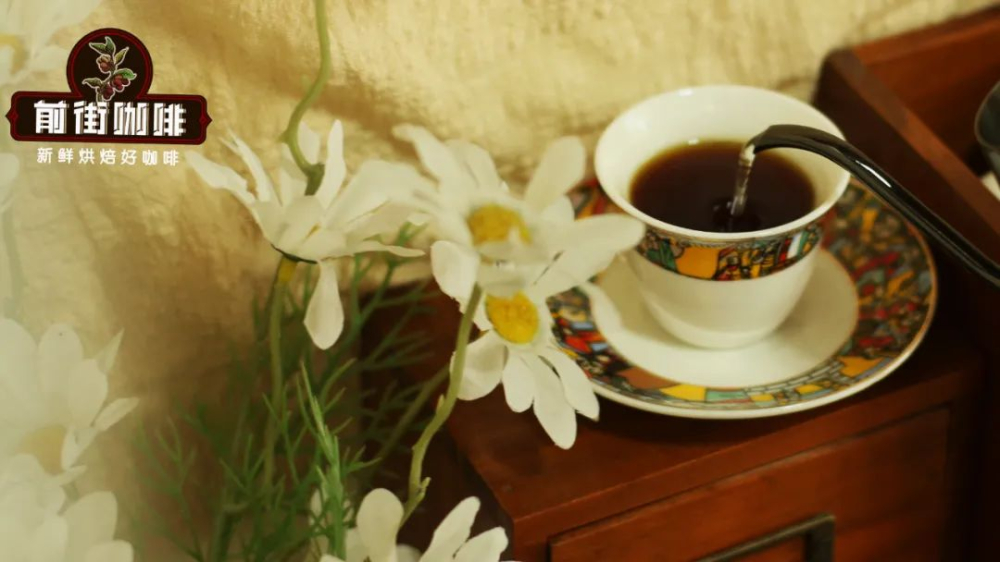
The Professional Technique: "By Pass"
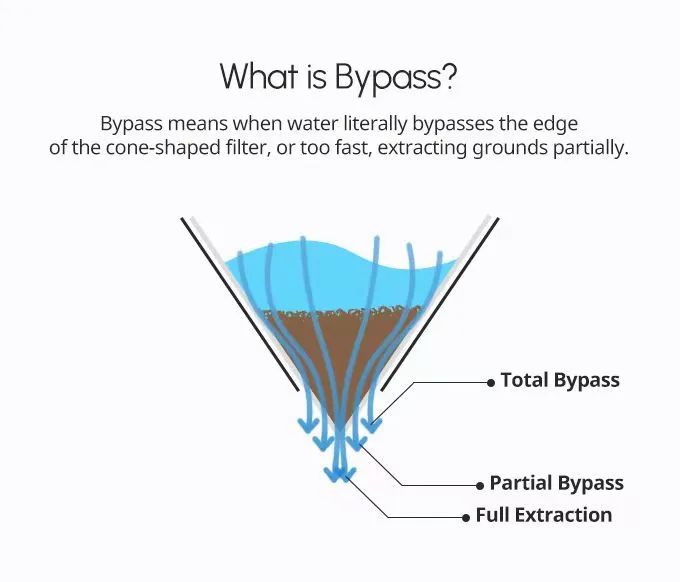
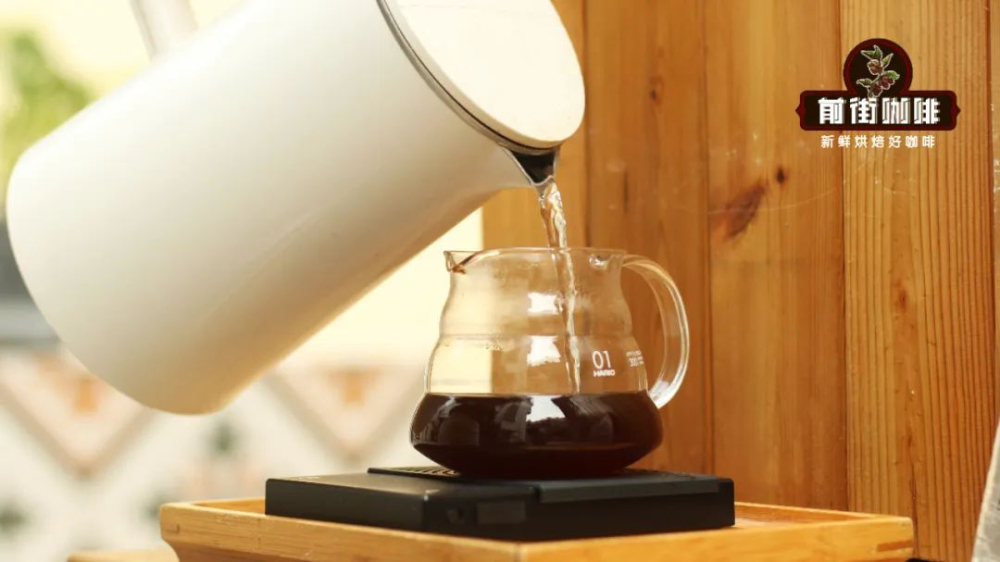
This move actually has a professional name in the coffee industry: "By Pass." Within pour-over's extraction framework, the liquid you get from rinsing the coffee grounds is the "main path"; By Pass is hot water that bypasses the grounds and goes straight into the cup. Because that water never participates in extraction, it's called "bypass water." (On a V60 dripper, hot water that runs down the sidewall spiral into the server without ever touching the grounds also counts as bypass water.)
Common Applications of By Pass
The Americano is the most widespread application of By Pass — the purpose of the added water is simply to adjust concentration, so to some extent it's just "dilution."
Professional Competition Applications
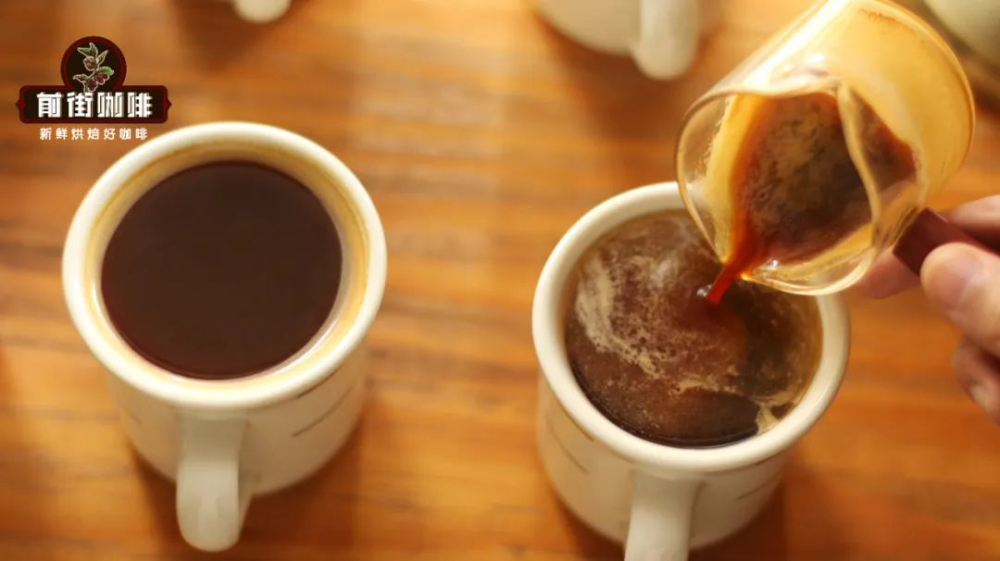
In some professional competitions, competitors deliberately build By Pass into their brew plans to avoid the risk of bitterness in the tail end of certain beans. It typically appears in high-concentration, low-extraction schemes: brew a small pot of very concentrated coffee using more grounds or a tighter coffee-to-water ratio, then add hot water directly to bring the concentration back into balance.
In essence, it exploits the extraction law that coffee flavors move from strong to weak, giving the brewer tighter control over the ideal flavor expression. The catch: such a brew can consume 2–3 times the normal amount of grounds per cup, so it's expensive in beans.
Iced Pour-Over Application
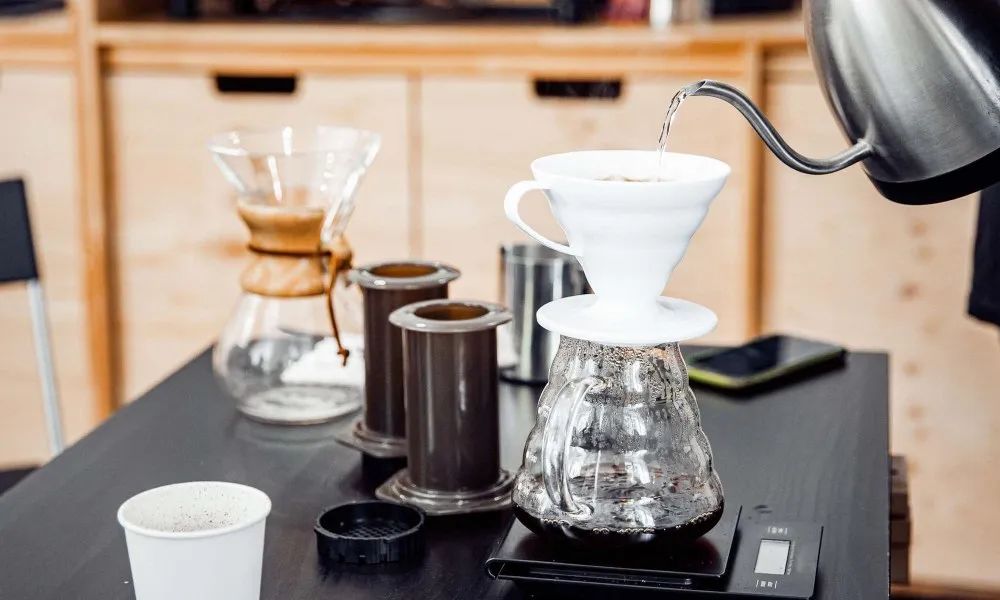
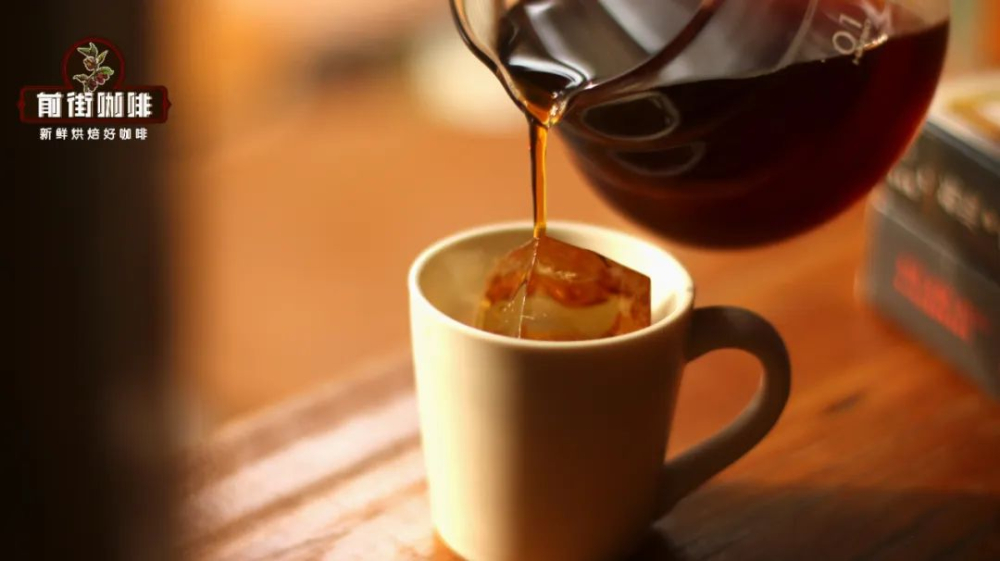
Another example is our everyday iced pour-over — a textbook By Pass design in which the "hot water to be added" is simply replaced with ice. FrontStreet Coffee's hot pour-over uses 15g of grounds at a 1:15 ratio. For iced pour-over we brew at 1:10 — meaning the missing 75g of hot water is replaced by 75g of ice pre-weighed into the server. We then pour according to the planned ratio, and the ice both chills the coffee and dilutes the extra-high concentration, yielding an iced coffee at just the right strength.
The Remedial Function of By Pass
Beyond planned use, By Pass also serves as a rescue tool.
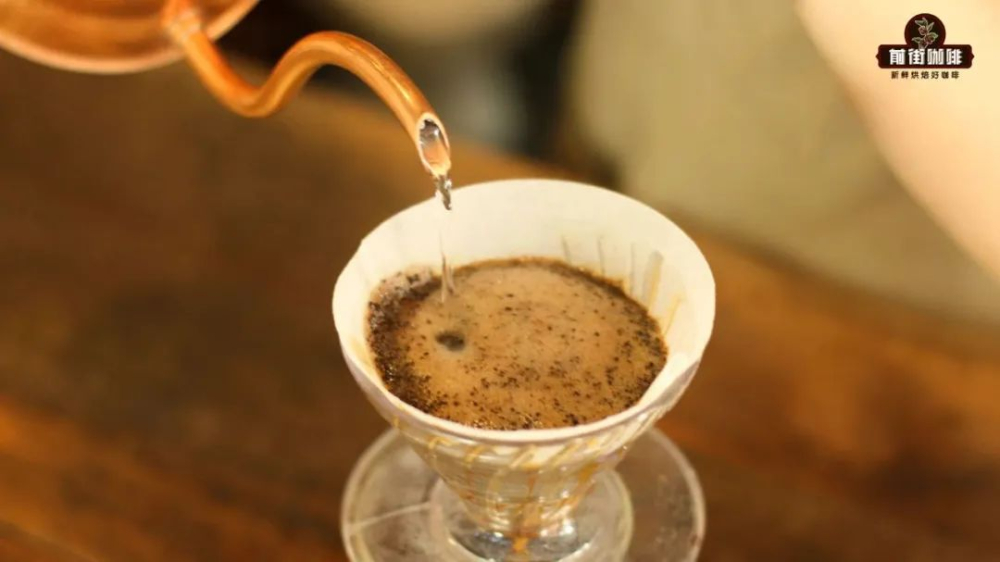
FrontStreet Coffee once brewed Panama 90+ Estate's Juliette Geisha with 15g of grounds at 1:15, but accidentally set the grind half a notch too fine (EK43s setting 9). The brew carried a distinct fermented-wine aroma and cocoa notes, yet almost no bright fruit acidity came through — the mouthfeel was low and heavy, with no layers. So we added about 10g of 80°C warm water to the liquid, swirled, and tasted again: the grape-juice acidity became clear, a dried-fruit sweetness appeared, and the body turned much lighter.
Understanding the Science Behind By Pass
Fine grinding accelerates the release of every soluble substance into the cup. Heavy caramelized flavors like cocoa and spice swamp the taste buds, making lighter aromas hard to detect. Bypass water stretches the whole flavor spectrum back out, letting you perceive the delicate components again — which is exactly where the coffee's layers come from.
By Pass as a Flexible Adjustment Method
Unlike post-brew rescue, using By Pass reactively — mid-brew, when flow problems appear — demands quick, decisive judgment.
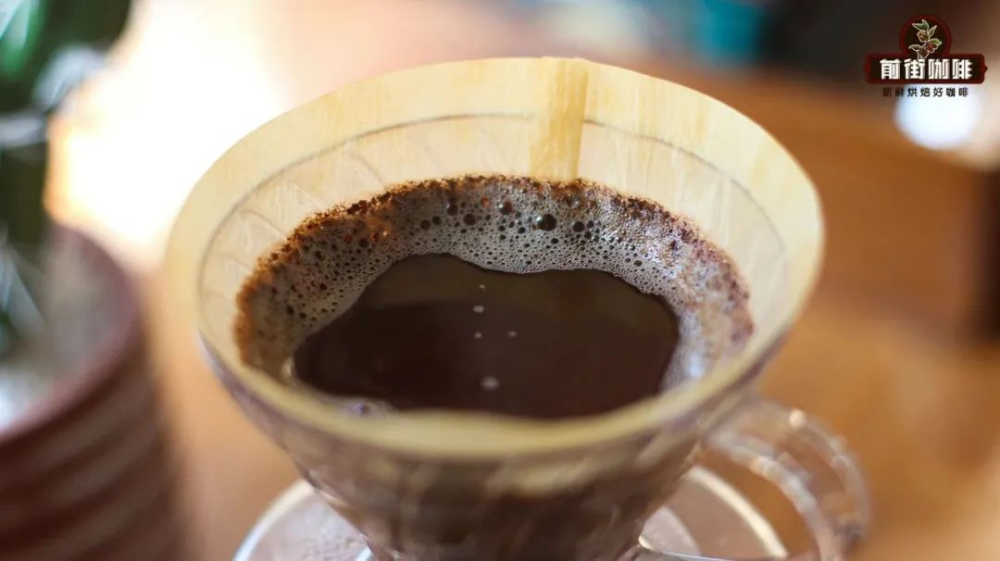
FrontStreet Coffee has noted before that when brewing light roasts, fine particles and dense grounds can clog the bed and cause water to pool in the later stages, extending steep time and raising the risk of over-extraction. So if the total extraction runs past 2 minutes 10 seconds and liquid is still dripping, you can call on experience and lift the dripper off, discarding the tail section — then taste whether the cup is too strong and add small amounts of hot water (5–10g at a time) until it suits you.
Important Considerations
Remember: bypass water is not part of the extraction plan, so adding it carelessly doesn't just dilute the good flavors you captured — it can flatten the coffee into something that tastes like water. FrontStreet Coffee recommends tasting after every addition and deciding then whether to add more, so you never dilute past the point of no return.
Also, if a coffee brewed with normal parameters has adequate concentration but mediocre aroma, plus negative sensations like bitterness, astringency, or a catching feeling in the throat, it has likely already over-extracted irreversibly — usually the result of uneven grind particle size, a poor grinder producing too many fines, or unstable pouring. At that point bypass water is useless; it will only make the cup more watery.
Final Recommendations
Let's be honest: this "water replenishment" technique has no reference standard. You follow someone else's brew approach, imitate the shape, add water bit by bit in practice until the cup tastes right — there's a real element of adventure involved. That's why FrontStreet Coffee doesn't recommend beginners reach for By Pass to intervene in extraction. If a brew tastes wrong, it's better to carefully review where the problem came from rather than relying on "water replenishment" to save it every time.
- END -
FrontStreet Coffee

FrontStreet Coffee Recommendation
Bypass scenarios — high-concentration brews, iced pour-over, delicate light roasts — all reward beans with vivid aromatics that shine at lighter roast. Three FrontStreet pour-over picks.
FrontStreet Ethiopia Gudingding (Yirgacheffe) — For many lovers of specialty coffee, Yirgacheffe is the first stop on the journey, and Gudingding shows why: vivid citrus, berries, and florals with a green-tea-like sweet finish. Unlike the "sour coffee" people fear, its acidity is soft and bright — fruit-like rather than harsh — and very easy for newcomers to accept.
FrontStreet Ethiopia Huakui (Flower Ghost) — One of the most successful star products in the specialty market in recent years. Its tropical fruit character is striking — strawberry, passion fruit, jackfruit, even lychee — with obvious sweetness, minimal bitterness, and a smooth, juice-like body, earning it the description "the coffee that tastes least like coffee." A perfect choice for anyone put off by traditional coffee bitterness.
FrontStreet Kenya Cherry Tomato — For those who chase bright, complex acidity: a washed Kenya lot from the Thika region (1550–1750m) built on the classic SL28 and SL34 varieties and a signature 72-hour double-washed fermentation. Light-roasted to preserve its lively acidity, it opens with dried tomato and floral aromas, then delivers cherry-tomato and dried-plum flavors with fresh-pressed-juice fullness, pear and black-plum mid-notes, and a long finish of yellow sugar and green tea.
Important Notice :
FrontStreet Coffee is a long-established specialty coffee roaster in Guangzhou China, selling freshly roasted beans from its own farm in Yunnan as well as dozens of carefully selected single-origin beans from around the world for both pour-over and espresso. The products deliver consistently excellent quality and great value, with shipping within 24 hours. Guangzhou's FrontStreet Coffee shop is recommended by many coffee lovers, and the beans are now available online at the Tmall 。
FrontStreet Coffee has moved to a new address:
FrontStreet Coffee Address: 315,Donghua East Road,GuangZhou
Tel:020 38364473
 Scan and follow the En Gafei WeChat official account. Please indicate that the reprint comes from "En Gafei".

