How to Reheat Cold Coffee? Is Pour-Over Coffee Still Tasty When Brewed a Second Time?

Temperature is a perennial topic in the coffee world, and it matters at every stage — from storing green beans and roasting, to brewing and tasting. Every step depends on staying within the right temperature range.

Even if you never brew at home, you have surely been told that "coffee should be drunk while it's hot," meaning it tastes worse once it cools. But it is winter now, and before you know it that steaming cup has gone stone cold, so chilly that a single sip makes you shiver — never mind finishing it. At times like that, many people who hate to waste coffee try to reheat it. So what is the best way to go about it?
What Cooling Does to Coffee
FrontStreet Coffee has explained before that as coffee cools from hot to cold, two things change: aroma and mouthfeel. A freshly brewed cup keeps releasing aroma as it cools. By the time the coffee reaches room temperature, many of the high-temperature aromatic compounds have largely dissipated, so it naturally becomes less enjoyable.
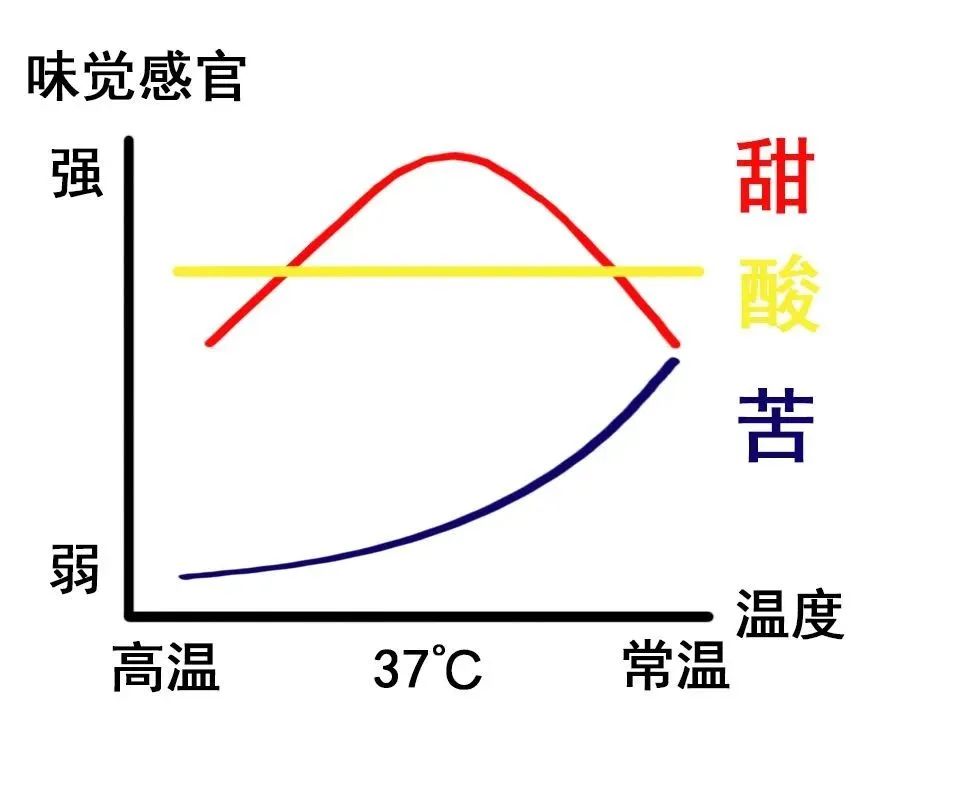
As the temperature falls, coffee also dulls our perception of sweetness and other pleasant flavors while making acidity and bitterness more pronounced. This is why a dark roast often tastes "more bitter" as it cools, while a light roast with fewer bitter compounds tends to taste "more acidic."
That transformation cannot be reversed, so reheated coffee will never taste as good as a fresh cup. Since we cannot fully bring the original flavors back to life, the main goal when reheating should simply be to preserve as many aromatic compounds as possible.
A Side-by-Side Heating Test
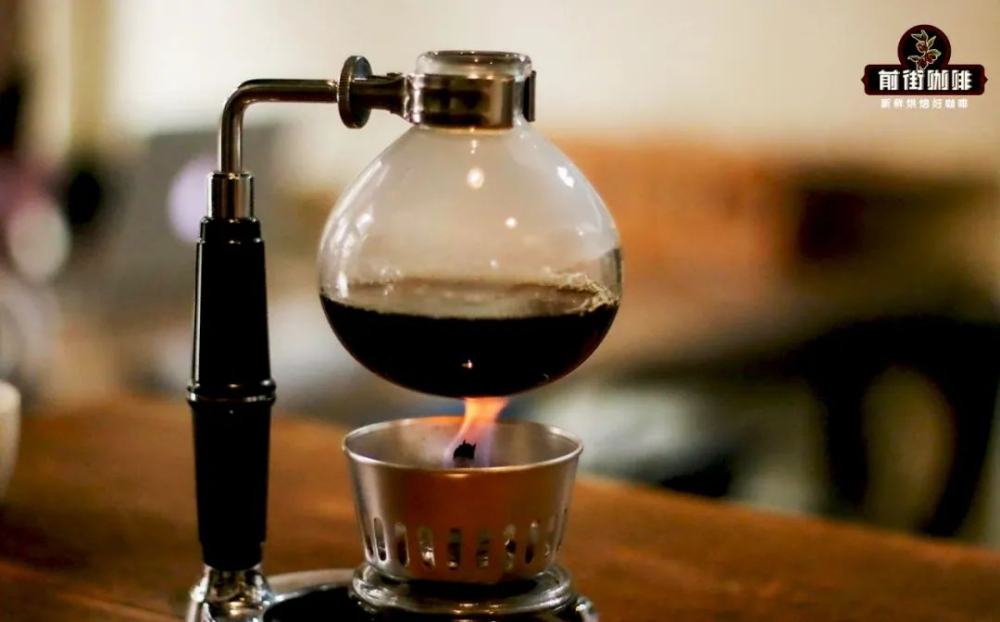
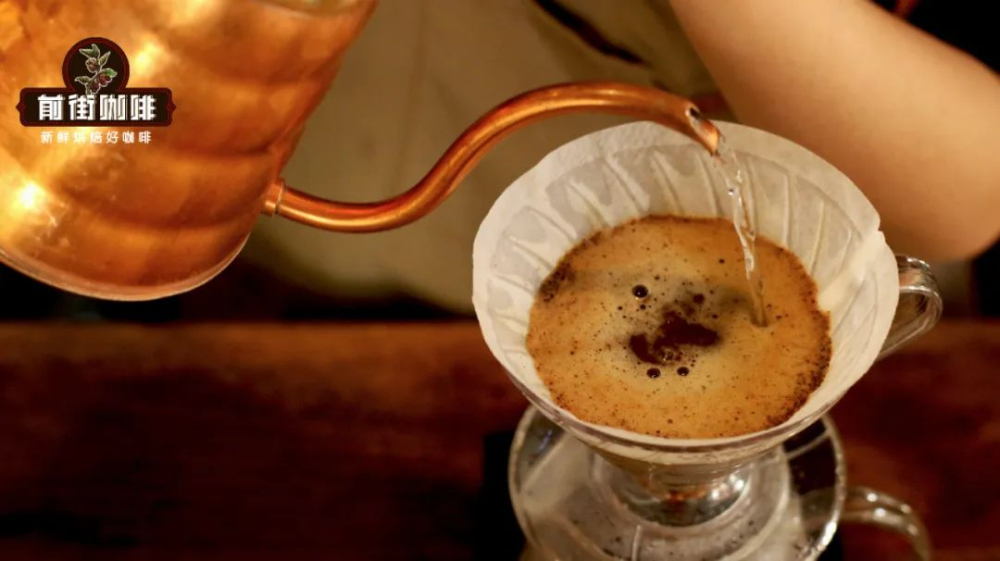
FrontStreet Coffee set up a comparison using pour-over, brewing two different coffees. After letting them cool naturally to room temperature, the team reheated samples on an electric hot plate, over an alcohol lamp, and with an espresso machine's steam wand, then compared the results.
Coffee Beans: Panama Butterfly & FrontStreet Coffee 2013 Yunnan Typica
Dose: 30g
Water Ratio: 1:15
Water Temperature: 93°C & 90°C
Dripper: V60
Grind Size: EK43s setting 10
Three-Pour Method: 50g, 200g, 200g
Panama Butterfly at Different Temperatures
Just Brewed (70°C): Bright citrus acidity, delicate florals, and honeyed sweetness, with a mouthfeel like clear green tea lifted by lively fruit acidity.
Cooled to Room Temperature (28°C): FrontStreet Coffee noticed the Butterfly turned slightly cloudy in the cup. The taste was mostly tea-like, with weak fruit acidity and hardly any noticeable aroma.
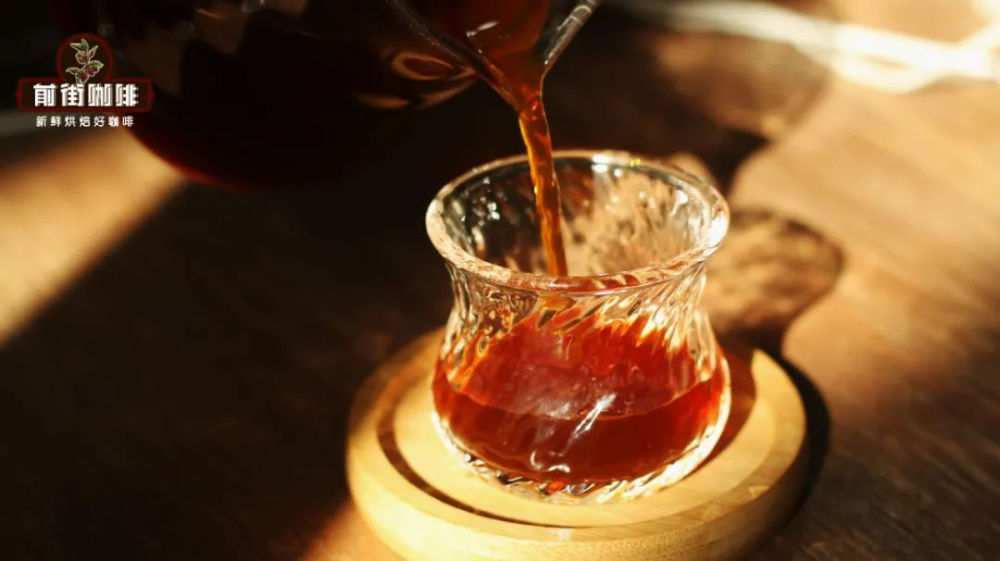
FrontStreet Coffee Typica at Different Temperatures
Just Brewed (68°C): Drunk hot, the cup showed rich aromas of chocolate, nuts, roasted sweet potato, and toffee, with hints of dark berry acidity and excellent body.
Cooled to Room Temperature (28°C): The texture turned heavy and nutty. The smooth sweetness from when it was hot was gone, replaced by a faint woody note. After swallowing, an unpleasant aftertaste reminiscent of dry walnut skin lingered briefly.
Samples of both coffees were then reheated by the three methods to 50°C, with the tasting notes of each group recorded carefully.
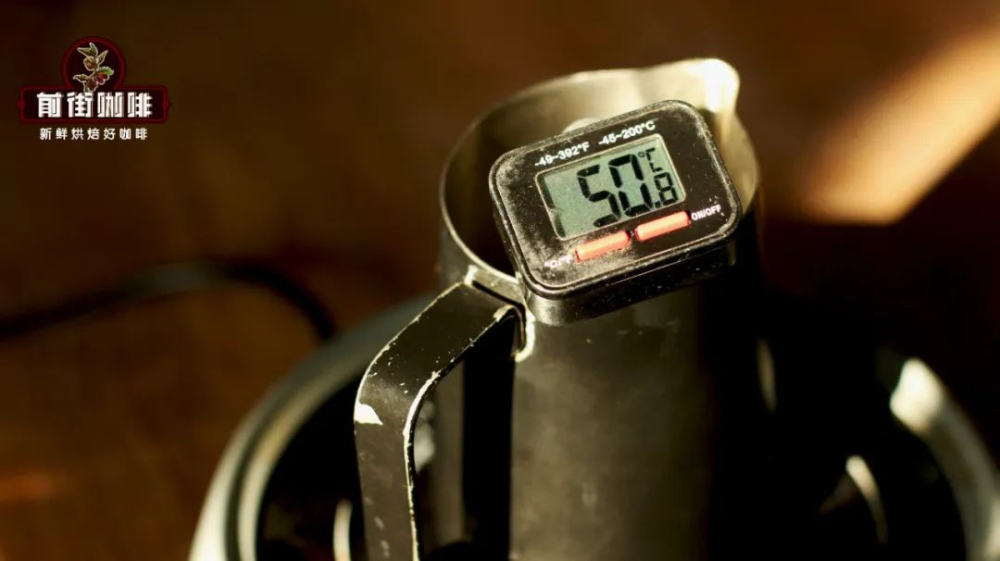
Reheating Results
Electric Hot Plate: The reheated Butterfly showed berry and citrus-peel acidity with a somewhat flat mouthfeel, though no off-flavors emerged. The FrontStreet Coffee Typica kept some of its nuttiness but also picked up a sharp acidity that felt jarring.
Alcohol Lamp: Heated over a direct flame to 50°C, neither coffee was as rich as when freshly brewed, but the warmth did improve the mouthfeel. Acidity, sweetness, and bitterness came into balance with a rounded texture.
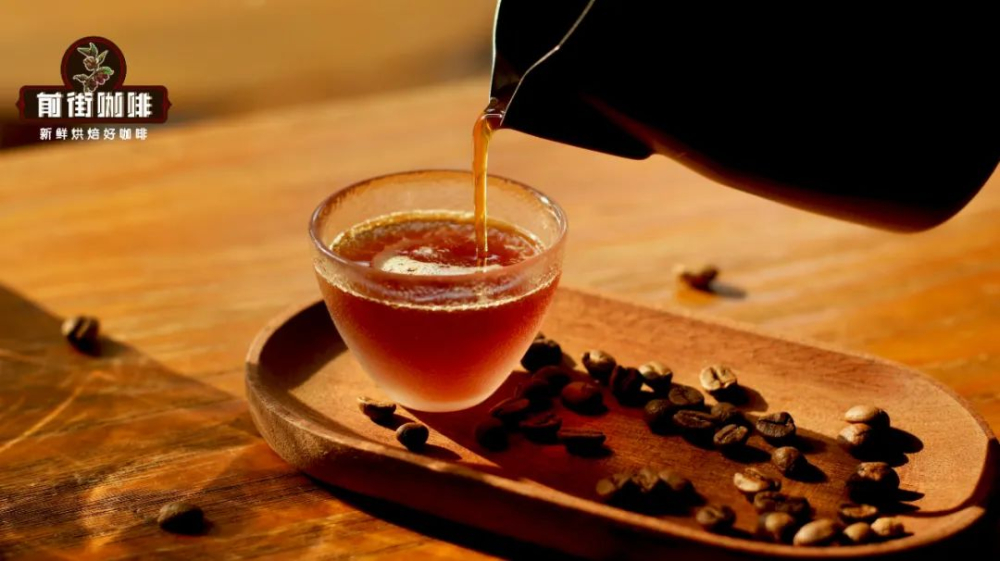
Steam Wand: Both coffees had all but lost their rich aromatics. Acidity and bitterness were not pronounced, but the mouthfeel went watery and diluted. FrontStreet Coffee suspects this happened because high-temperature steam from the tiny holes was injected straight into the coffee, watering it down.
Conclusion
The test shows that reheating over an external heat source such as a direct flame cannot restore the original rich aromas, but it can meaningfully reduce the unpleasant experience of a cold cup and make the coffee more drinkable. Beyond the methods FrontStreet Coffee tried, if you have the means you might also consider other approaches to improving cooled coffee, such as a microwave.

FrontStreet Coffee Recommendation
Coffee that has cooled is at its most rewarding when the beans themselves are clean and sweet at lower temperatures. FrontStreet Ethiopia Huakui is a natural process lot with big tropical-fruit aromatics, strawberry and passion fruit among them, and very low bitterness. Even after it sits and cools, the fruit sweetness still carries, so a reheated cup stays pleasant rather than turning hollow.
If you prefer a mellower, more classic profile, FrontStreet PWN Golden Mandheling is a strong partner for this kind of experiment. The deep roast keeps acidity low and gives a thick, long-lasting body with herbal and dark chocolate notes, so it holds together well when a cup is warmed back up.
Important Notice :
FrontStreet Coffee is a long-established specialty coffee roaster in Guangzhou China, selling freshly roasted beans from its own farm in Yunnan as well as dozens of carefully selected single-origin beans from around the world for both pour-over and espresso. The products deliver consistently excellent quality and great value, with shipping within 24 hours. Guangzhou's FrontStreet Coffee shop is recommended by many coffee lovers, and the beans are now available online at the Tmall 。
FrontStreet Coffee has moved to a new address:
FrontStreet Coffee Address: 315,Donghua East Road,GuangZhou
Tel:020 38364473
 Scan and follow the En Gafei WeChat official account. Please indicate that the reprint comes from "En Gafei".