
How to Interpret the Shape of Coffee Grounds in Pour-Over Brewing? Does the Thickness of the Coffee Grounds Wall Affect Coffee Flavor?

Most coffee enthusiasts have developed the habit of inspecting the coffee bed after a brew—looking for pouring "mistakes" and connecting the cup's flavor back to what went wrong.
Some notice their coffee always tastes rather heavy: the bed walls look thick, with most of the grounds settled at the bottom. Naturally, they wonder whether the thickness of the coffee bed wall itself affects the flavor.
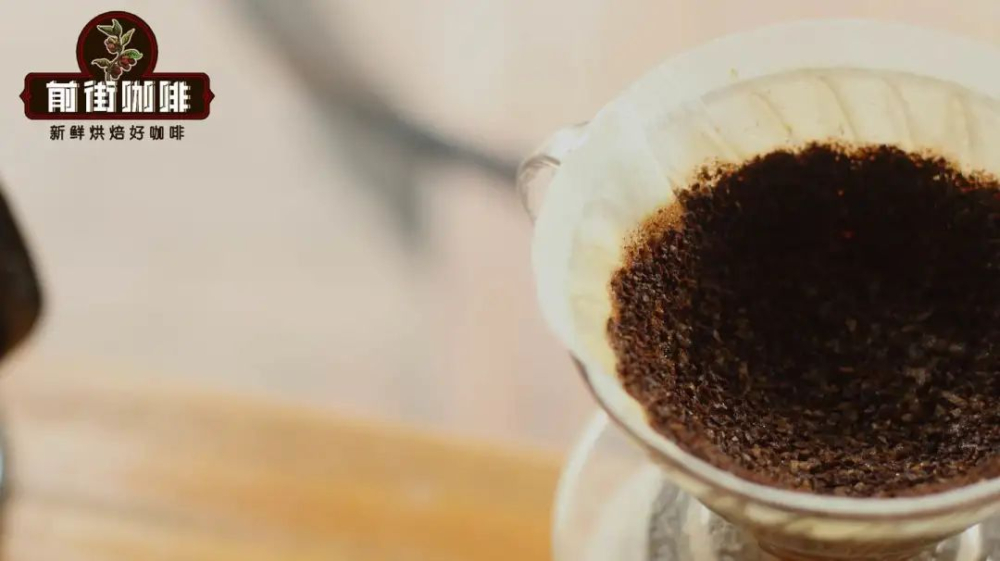
What Shapes the Coffee Bed Wall?
If you're new to pour-over, judging the right water flow is tricky. Flow rate doesn't just set the final extraction time—it also changes how the grounds distribute in the dripper. A small flow means less agitation of the slurry and less lift of the bed, so the walls end up thick, forming a slightly curved "bowl shape." A large flow with circular pouring lifts the bed higher with water that hasn't drained yet, leaving thinner walls.
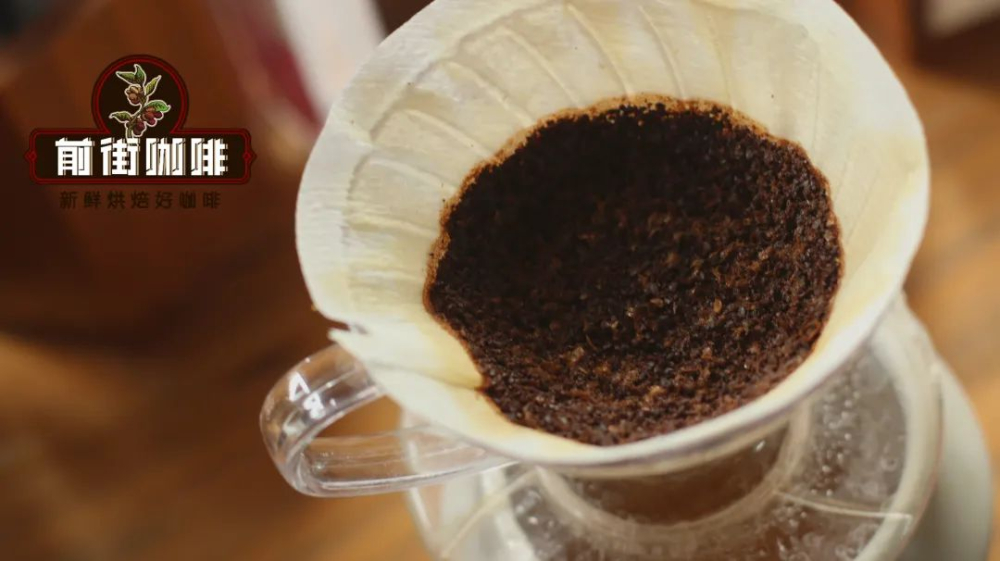
Pour-circle size matters too. FrontStreet Coffee typically pours as close to the filter edge as possible without breaking through the bed, which digs a deeper crater and leaves thinner walls. Others prefer small circles about the size of a coin, which concentrate grounds at the bottom and build thick walls.
Thick walls also commonly appear when brewing dark roasts. The darker the roast, the more porous the bean's internal structure; after grinding, the particles absorb water and expand more easily, and with active gas release they cling to the filter walls, forming a thick, deep crater.
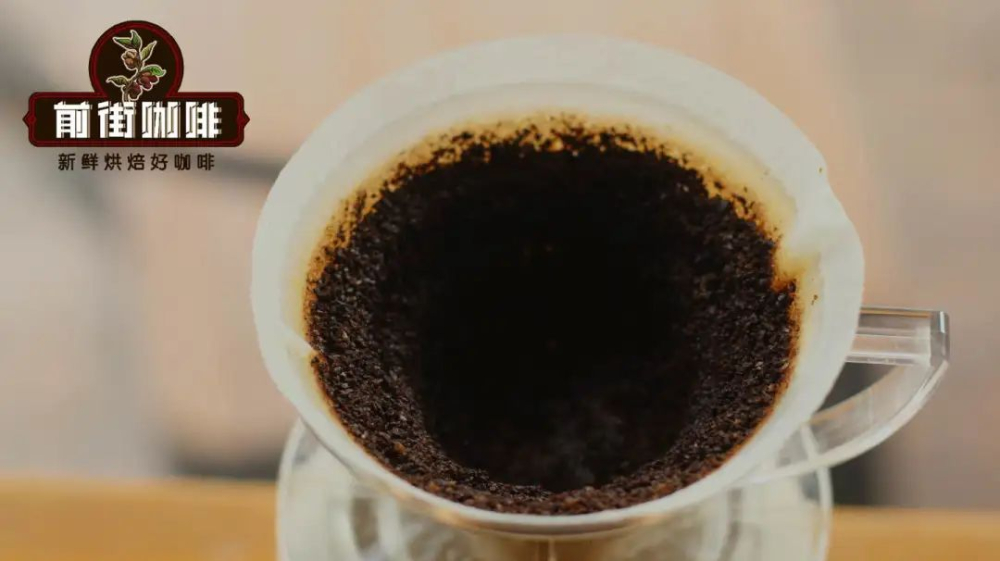
Does Bed Thickness Affect Flavor?
From the flow-rate angle: smaller flows mean longer pours, slower drainage, and extended extraction—which tilts you toward over-extraction and unwanted astringency. Timing your total extraction becomes essential.
From the circle-size angle: center or small-circle pouring runs about 0.5°C hotter than large-circle pouring, because bigger circles lose more heat from the water in flight—so the actual extraction temperature sits slightly lower.
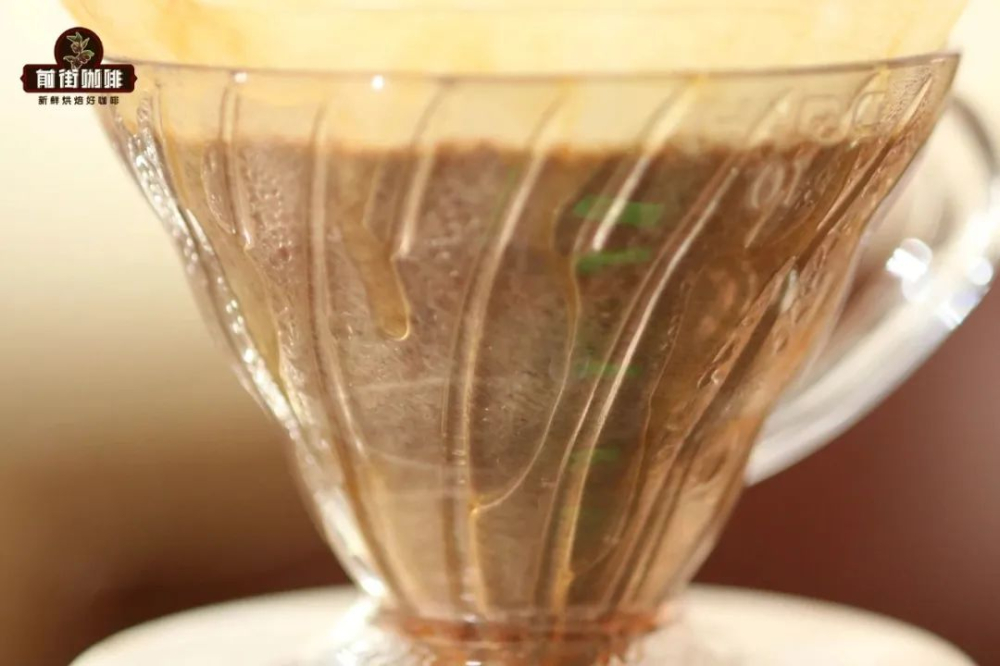
FrontStreet Coffee tested this with the same beans in a V60. Its spiral ribs channel the coffee along set paths and prevent clogging, creating rich layering between the coffee extracting inside the filter paper and the coffee flowing down the ribs. We found large-circle pours tasted more lively, light, gentle and pleasant, while small-circle pours came out fuller, rounder, richer and more concentrated.
Thick Bed or Thin Bed—Which Is Better?
Once you understand what shapes the bed, the thick-versus-thin debate matters less than control of your water. Pick a technique that suits the bean, and both flavor and mouthfeel improve.
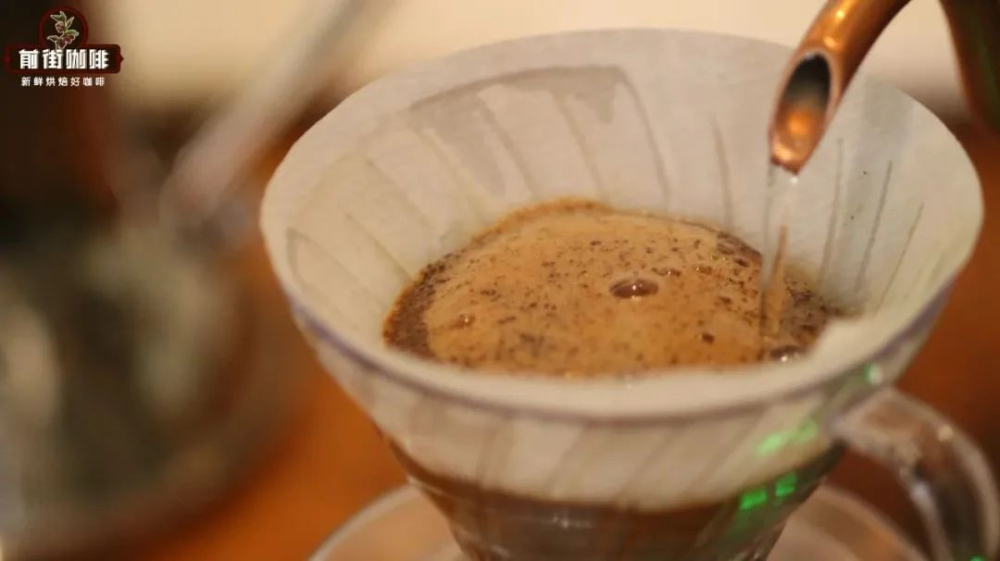
For light-to-medium roasts like Yirgacheffe or Geisha, where we want to highlight elevated, lively fruit acidity: after the bloom, the first pour spirals from the center outward, rinsing all the surface grounds until the foam shows an even color; the final pour uses concentric circles covering about two-thirds of the liquid surface.
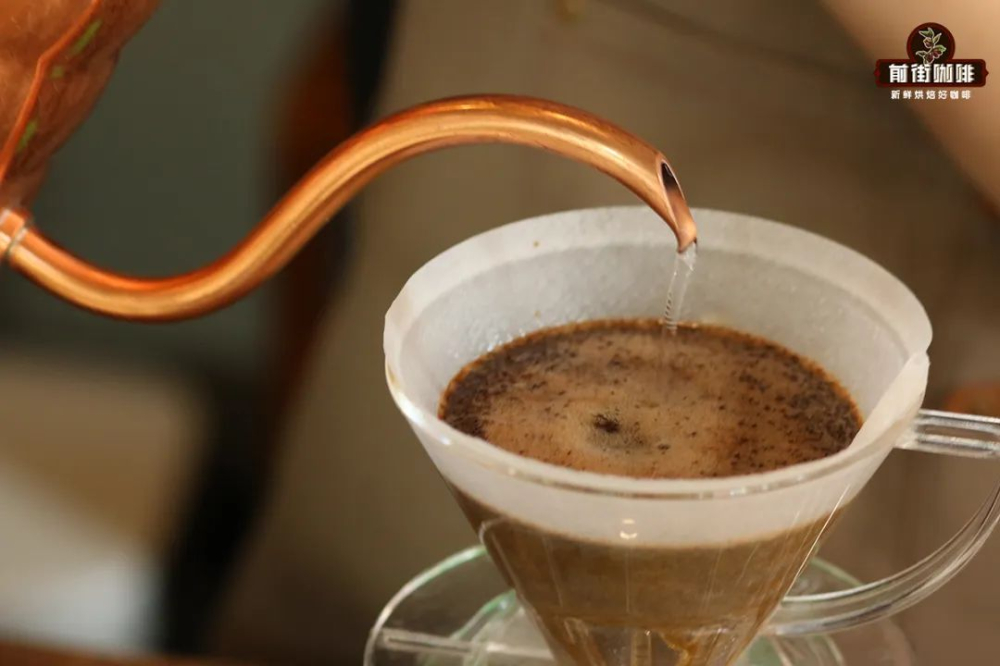
For medium-to-dark roasts like Blue Mountain or Mandheling, where the goal is rich, full-bodied flavor: we switch to a KONO dripper—slower drainage—and extract with small circles. After the bloom, start at the center and spiral slowly outward, reaching only about half the radius before finishing. Because dark roasts release more gas, even a small-circle pour will see the coffee foam surge up and cover the surface.
- END -
FrontStreet Coffee Recommendation
Whether you pour big circles or small, these beans reward both styles:
FrontStreet Yirgacheffe Guodingding — a washed G1 from the Guodingding cooperative in Yirgacheffe: elegant white florals, citrus and orange, with a bright, delicate, tea-like cup. Best with a V60 and larger, livelier circles to show off its florals and acidity.
FrontStreet Ethiopia Huakui — natural-processed with intense tropical fruit character: strawberry, passion fruit, jackfruit and lychee aromatics, clear sweetness and almost no bitterness, with a juicy mouthfeel. Wonderful brewed light and bright with bigger circles.
FrontStreet PWN Golden Mandheling — the flagship of Indonesia's PWN company: G1 grade, 18 mesh and up, triple hand-sorted. Medium-dark roasted with roast aromas, a clean cup and full body—herbal, chocolatey and caramel-sweet. Pour it with small, slow circles (KONO style) to bring out its thick, mellow character.
Important Notice :
FrontStreet Coffee is a long-established specialty coffee roaster in Guangzhou China, selling freshly roasted beans from its own farm in Yunnan as well as dozens of carefully selected single-origin beans from around the world for both pour-over and espresso. The products deliver consistently excellent quality and great value, with shipping within 24 hours. Guangzhou's FrontStreet Coffee shop is recommended by many coffee lovers, and the beans are now available online at the Tmall 。
FrontStreet Coffee has moved to a new address:
FrontStreet Coffee Address: 315,Donghua East Road,GuangZhou
Tel:020 38364473
 Scan and follow the En Gafei WeChat official account. Please indicate that the reprint comes from "En Gafei".

