
How is Tea Sensation Assessed in Coffee Flavor Evaluation? Causes of Obvious Astringency in Coffee
On the coffee flavor wheel, you'll be hard pressed to find any tea-related descriptors... Even "black tea" is filed under floral notes.
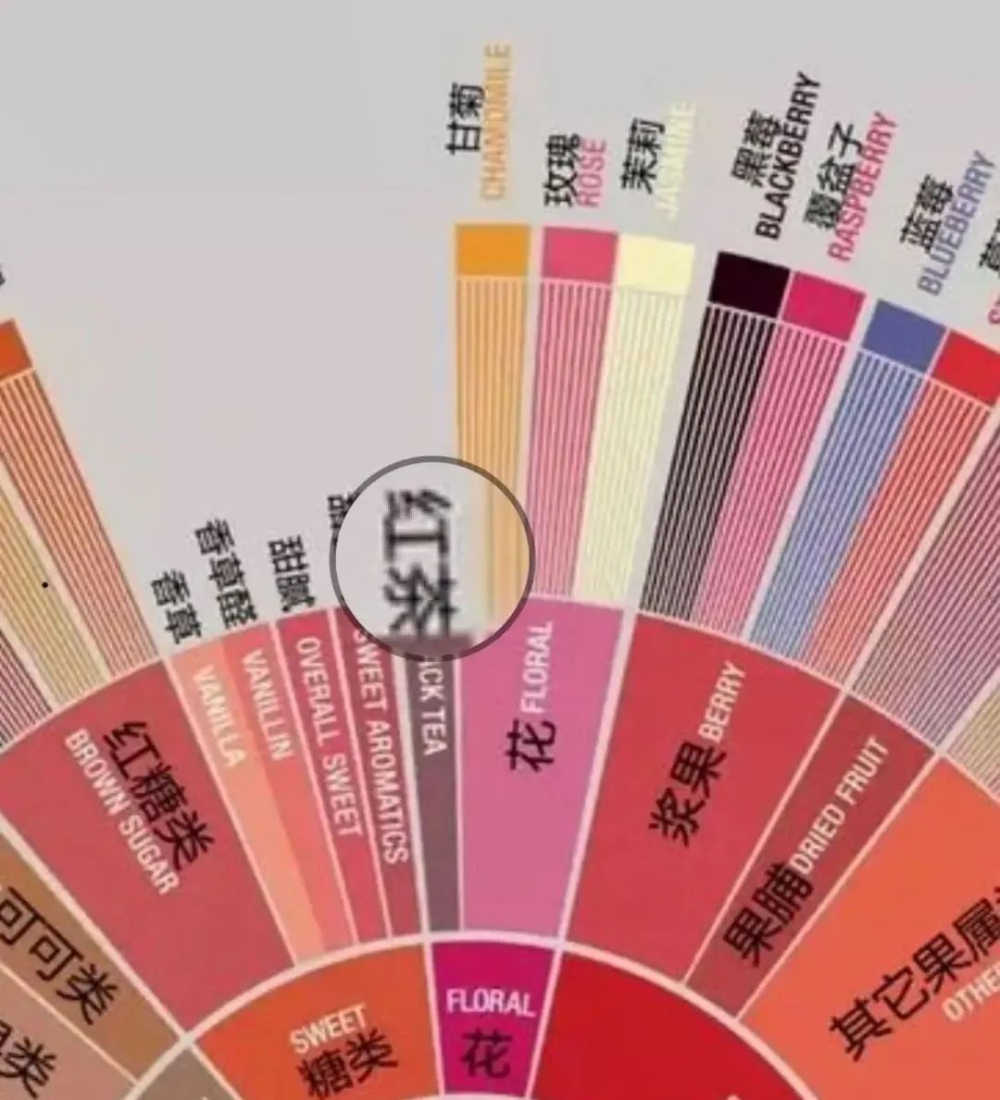
And yet, in the tasting notes of many coffee beans sold in China, tea flavors appear all the time—green tea, black tea, oolong... How are these tea flavors identified? And is astringency the same thing as tea sensation?
What Is Tea Sensation?
You have probably noticed a slight roughness on your tongue when drinking tea (emphasis: very slight—a faint astringency only), accompanied by a sweet feeling. Take a sip of plain water afterward, and even the water tastes sweet.
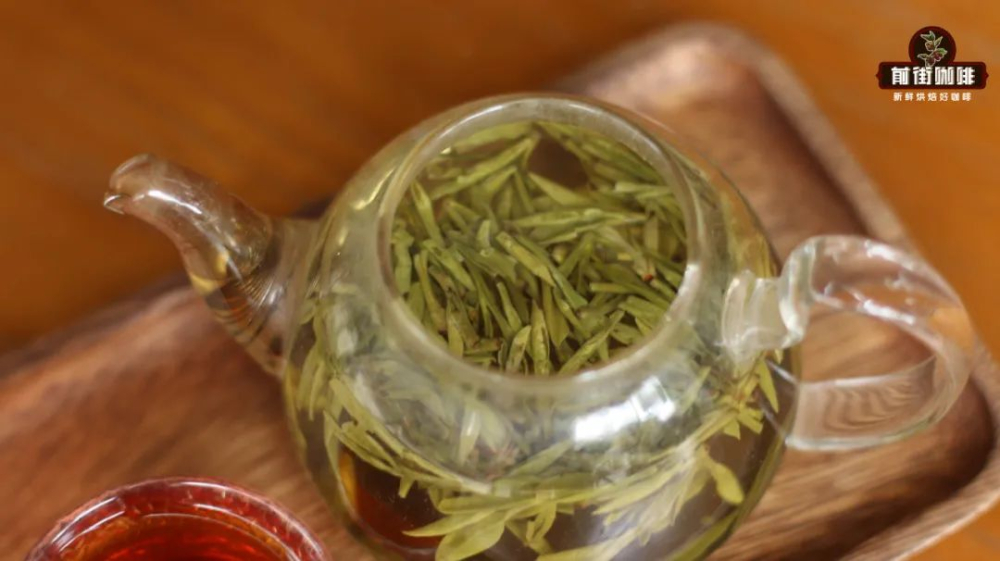
This sweet aftertaste comes mainly from tea polyphenols and glycosides. Tea polyphenols stimulate the salivary glands to secrete saliva, producing that moistening sensation.
Glycosides, meanwhile, adhere to the mouth as you drink the tea; after some time, hydrolysis converts them into glucose, which you perceive as sweetness—hence "sweet aftertaste." The more hydrolyzable tannins a tea contains (that is, the more stored energy compounds), the stronger and longer the sweet aftertaste and salivation.
Astringency vs. the Gentle Roughness of Tea Sensation
Astringency is an oral tactile sensation. What we call "astringency" is how polyphenol compounds in food present in the mouth, creating that dry, rough feeling. Although astringency sounds unpleasant, it comes in two kinds: positive and negative.
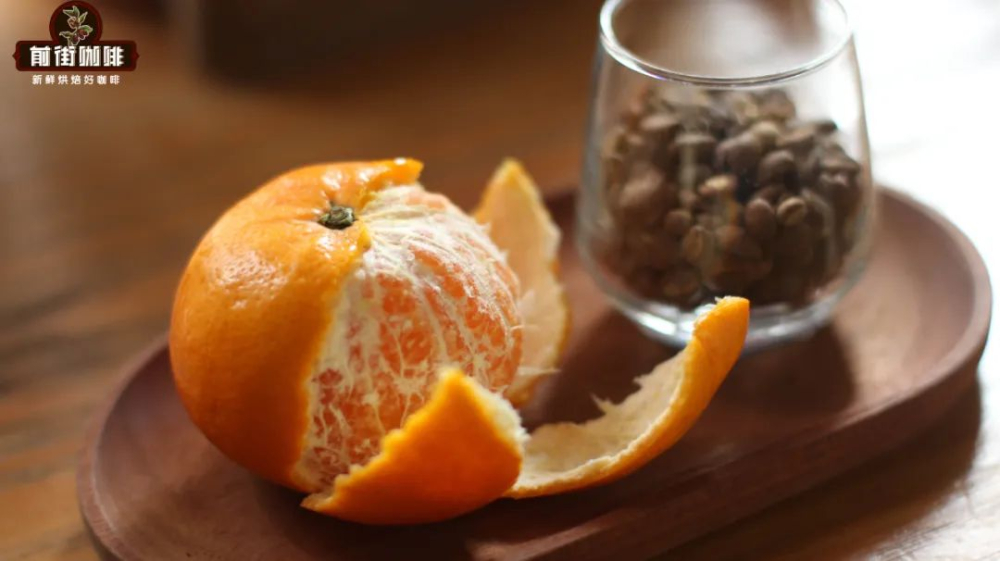
Positive astringency can add layers to a coffee. A slight citrus-peel astringency, for instance, paired with clean acidity and a touch of fruit-peel texture, evokes eating the pith around pomelo flesh—that sweet-sour taste with a hint of bitterness that is never offensive and finishes sweet.
Negative astringency, on the other hand, is hard to undo. If a coffee variety carries too much chlorogenic acid, roasting degrades it into quinic acid. Quinic acid is a phenolic acid and non-volatile, so you cannot smell it—but it tastes bitter and is strongly astringent.
Another culprit is insufficient drying during roasting. Residual moisture in green beans interferes with heat conduction, easily producing beans that are cooked on the surface but under-roasted at the core. The cup takes on a grassy, green, piercing harshness.
Positive astringency causes only a slight roughness on the tongue that quickly dissipates, replaced by sweet aftertaste. Negative astringency lingers as a lasting dry, sour, or bitter feeling—and even after rinsing with water, the tongue still feels rough.
Why Does Coffee Have Tea Sensation?
Salivation and sweet aftertaste in tea have another source: organic acids (a main component of aroma). Organic acids stimulate the salivary glands, producing that mouth-watering effect. It is the same reason your mouth waters when you eat green plums, bayberries, or plums.
Coffee, for its part, is rich in organic acids. Coffee's fine acidity is formed as the various organic acids in green beans transform during roasting—so the quantity and quality of these acids also determine how a coffee's acidity performs.
As a rule, the lighter the roast, the more obvious the acidity—but not all acidity is positive. Growing altitude and soil fertility work in coffee's favor when it comes to forming these organic compounds.
Kenyan beans grown at 1,600 meters, for example, show bright, solid acidity when lightly roasted. Brazilian beans grown at around 1,000 meters, lightly roasted, yield only hollow acidity and strong nutty flavors.

Generally, only high-altitude beans, lightly roasted with a suitable profile, show lively, bright acidity. When those acidity notes come with a slight, pleasant astringency and a set of aromatics, people associate them with the feeling of drinking tea—salivation and sweet aftertaste. That feeling is the "tea sensation" in coffee.
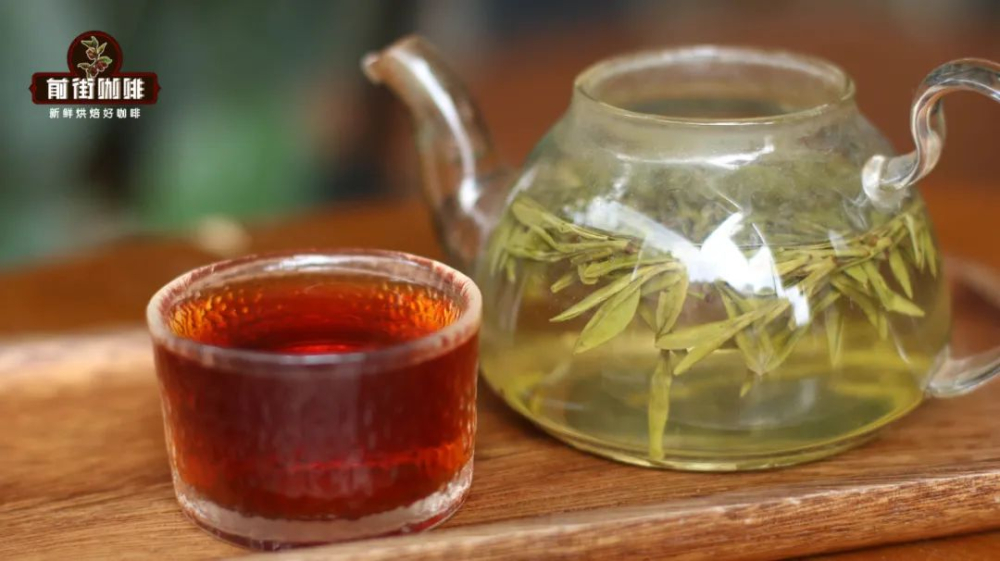
How Many Kinds of Tea Sensation Are There?
Whether you can taste tea sensation in coffee depends on how familiar you are with the aroma and taste of different teas and their salivating, sweet aftertaste. Most Chinese drinkers carry strong impressions of what different teas feel like, so when a coffee produces that slight tongue roughness, they instinctively match it to a type of tea.
Green tea, for example, retains a large amount of tea polyphenols, so the mouth feels that slight roughness alongside a fresh aroma—and often a faint seaweed-like note called umami (a savory taste created by amino acids).
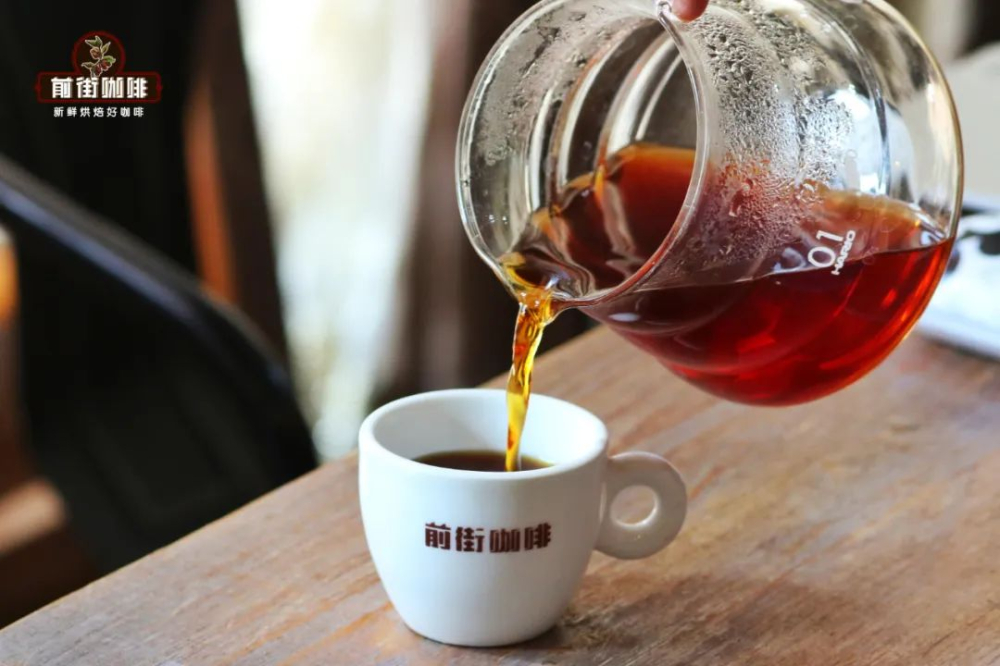
FrontStreet Coffee often finds that washed Yirgacheffe coffee finishes with the distinctive umami or fresh green aroma of green tea.
Oolong (Tieguanyin and its relatives), being semi-fermented, gives a smooth, mellow, refreshing tea sensation with obvious sweet aftertaste and a fragrance that lingers.
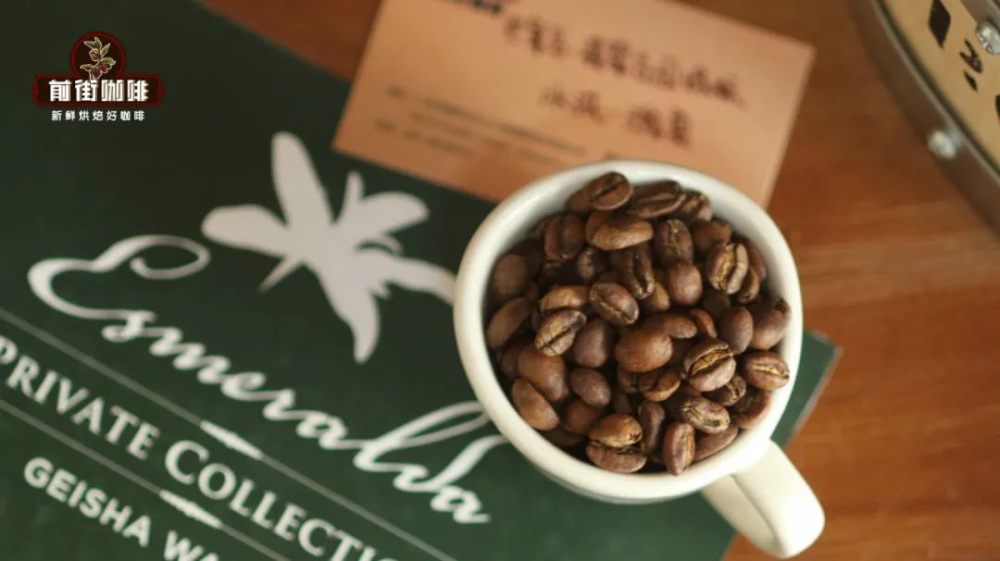
FrontStreet Coffee, tasting the washed Hacienda La Esmeralda Green Label, notes a clear sweet aftertaste and a light body—just like drinking Tieguanyin, with both aroma and sweetness lasting long after the sip.
Black tea, fully fermented, offers a full, solid tea sensation: rich aroma, strong tea flavor, and pronounced sweet aftertaste.
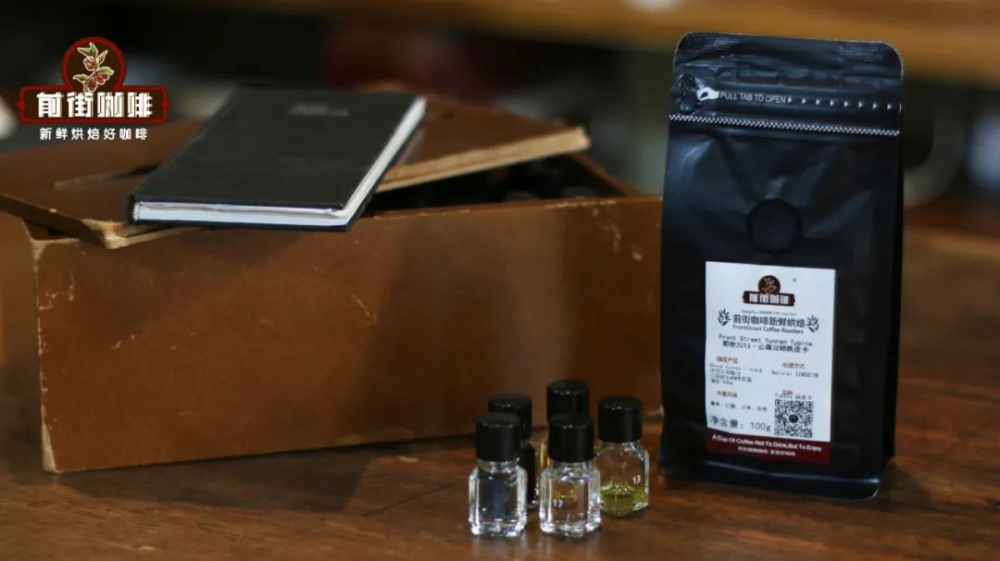
FrontStreet Coffee finds that their own Yunnan sun-dried Typica finishes with a solid, black-tea-like sweetness.
These different tactile sensations and flavors prompt Chinese drinkers to reach for tea comparisons—which is why tea flavor/tea aroma/tea sensation appear so often in the tasting notes of coffee sold domestically.
Why Does the Flavor Wheel Only Mention "Black Tea"?
Many of the flavor references in modern coffee theory come from North America. Abroad, specialty coffee tasting notes rarely mention tea, because there is little shared vocabulary for the aromas and mouthfeel of different tea types. Hence even "black tea" is judged by smell alone and classified under florals.
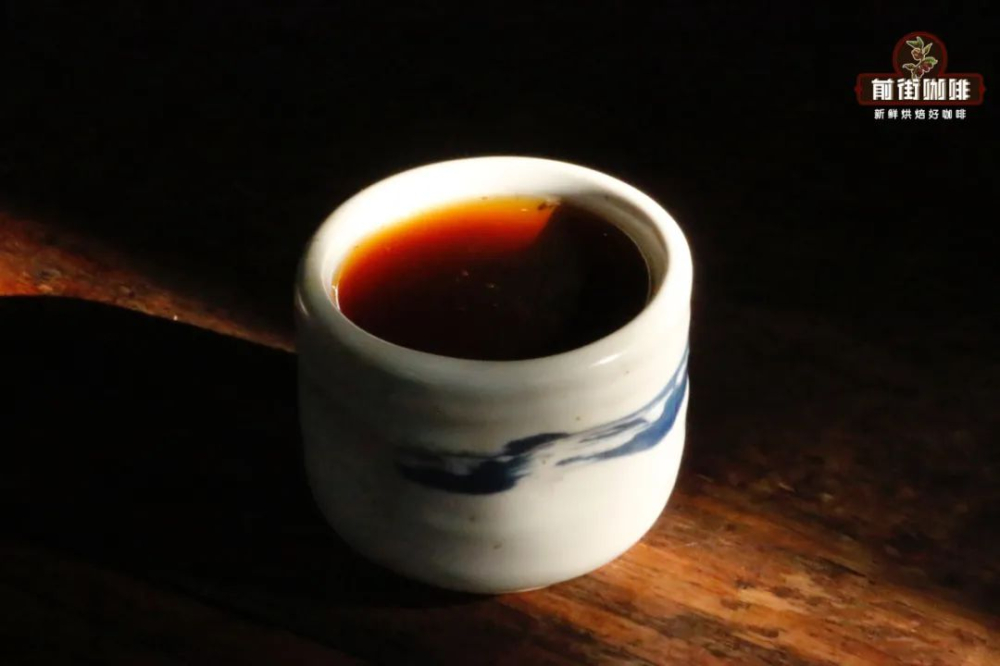
Coffee sold in China favors tea descriptions precisely because tea sensation is something Chinese drinkers understand intuitively. The hope is that these descriptions will gradually change the assumption that coffee only tastes burnt and bitter—and show that coffee can be like tea: aromatic, clean, and pleasantly mouth-watering.
FrontStreet Coffee Recommendation
Want to taste that tea-like quality for yourself? The FrontStreet Yirgacheffe Guodingding Cooperative coffee is the classic example: white-flower sweetness and bright citrus acidity, a jasmine-like fragrance, and a green-tea finish. For a silky, fruitier take, the natural Aricha (Huakui) layers creamy strawberry over orange blossom, guava, and mango.
And if black-tea sweetness is what you're after, the FrontStreet 2013 Yunnan sun-dried Typica delivers exactly that—a solid, lingering sweet aftertaste, like a fine black tea in coffee form.
Important Notice :
FrontStreet Coffee is a long-established specialty coffee roaster in Guangzhou China, selling freshly roasted beans from its own farm in Yunnan as well as dozens of carefully selected single-origin beans from around the world for both pour-over and espresso. The products deliver consistently excellent quality and great value, with shipping within 24 hours. Guangzhou's FrontStreet Coffee shop is recommended by many coffee lovers, and the beans are now available online at the Tmall 。
FrontStreet Coffee has moved to a new address:
FrontStreet Coffee Address: 315,Donghua East Road,GuangZhou
Tel:020 38364473
 Scan and follow the En Gafei WeChat official account. Please indicate that the reprint comes from "En Gafei".

