
Can You Judge Espresso Quality by Its Crema? What Exactly is Espresso Crema?

You have probably heard someone say, "You can tell if an espresso is good just by looking at its crema. The best espresso has fine, rich, golden crema." But can you really judge espresso quality by its crema?
To decide whether that method is reliable, FrontStreet Coffee only needs to put two questions to you.
Question 1
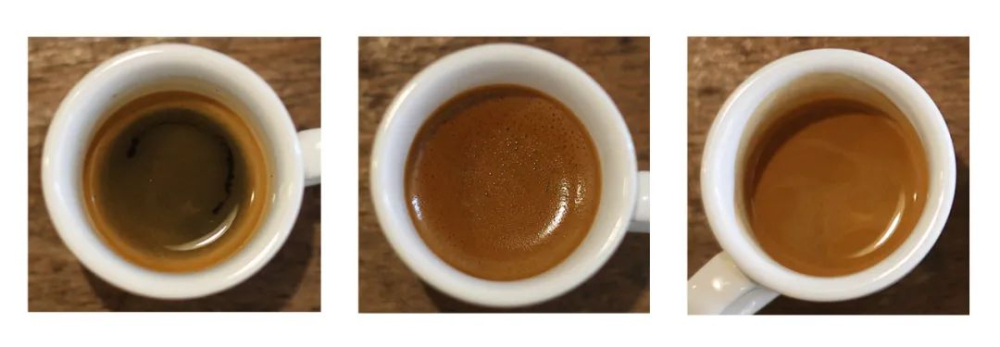
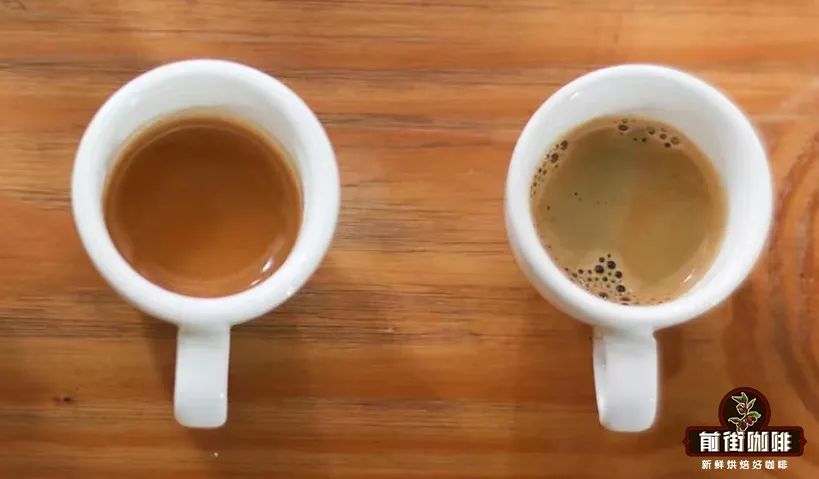
In the image below, only one cup of espresso tastes good. Please identify the tasty coffee based on the appearance of its crema.
Question 2
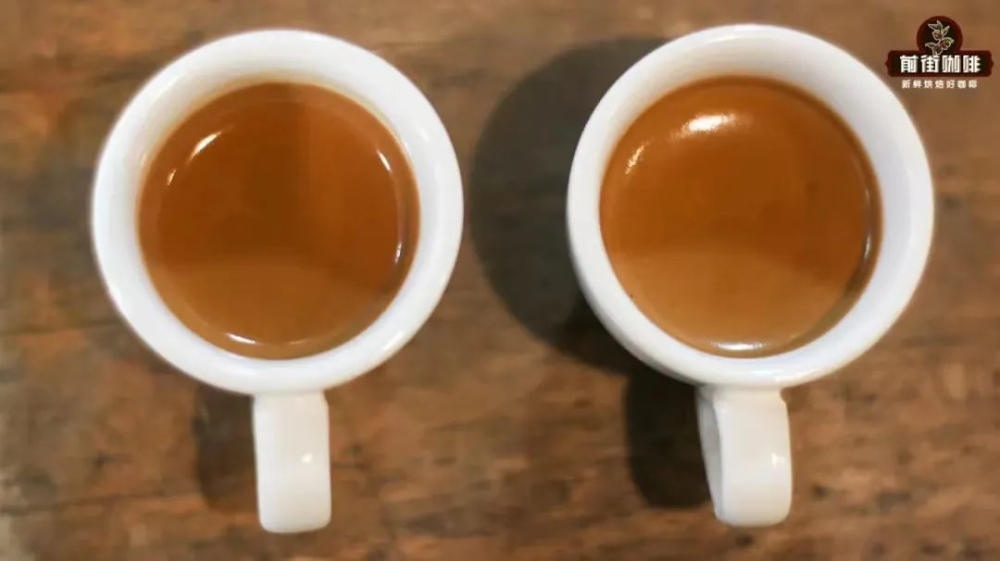
In the image below, again only one cup of espresso tastes good. Please identify the tasty coffee based on the appearance of its crema.
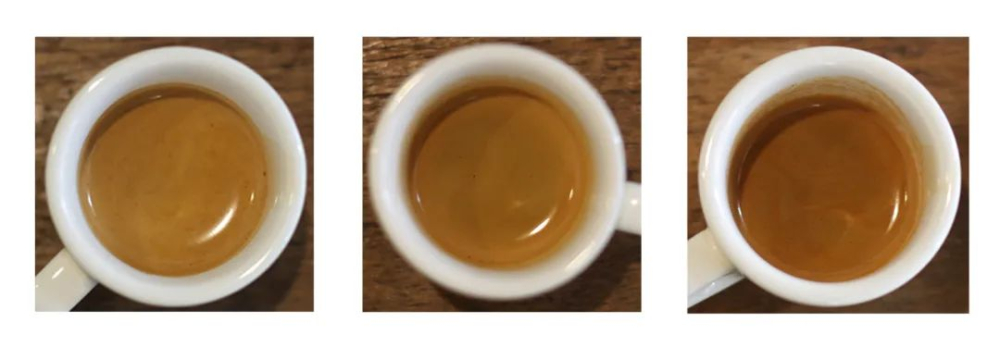
The correct answers are: the third cup for Question 1, and the second cup for Question 2. Many of you probably got Question 1 right, while some may have guessed Question 2 correctly.
Looking at espresso crema is like looking at the coffee bed in a pour-over -- you cannot determine whether a coffee tastes good just from appearance. Fine, rich, golden crema does not necessarily mean the espresso tastes good. You can, however, spot some potential problems from the state of the crema.

What is Espresso Crema?
First, let's talk about what this golden crema actually is. Espresso crema is essentially the insoluble oils from the coffee beans encapsulating carbon dioxide -- both of which originate from the beans. In fact, the golden foam on the surface of a pour-over coffee bed is also oil with a small amount of carbon dioxide.
Because of the high extraction pressure of espresso machines (up to 9 Bar), oils and carbon dioxide are forced directly into the coffee. Since oils do not dissolve in water, they gradually separate out to form the golden crema.
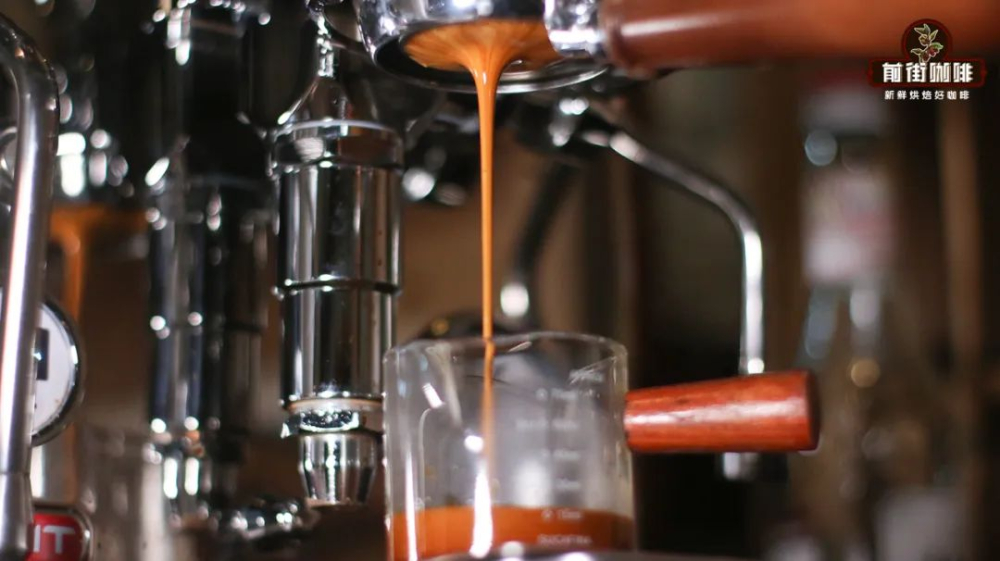
The quality of crema therefore depends mainly on three factors: the carbon dioxide content in the beans, the grind size, and the roast level of the coffee beans.
What Can Crema Tell Us?
Sometimes the state of the crema reflects certain problems. The most common case is when crema is abundant but coarse in texture, breaks down quickly, and shows clumping. Espresso with this kind of crema often lacks distinctive flavors.
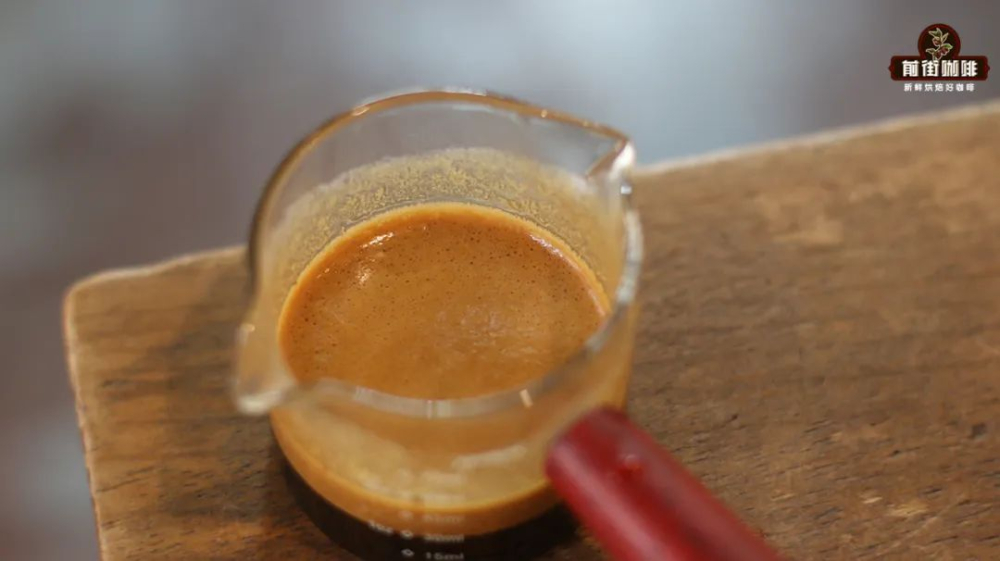
This happens because the beans have not been properly degassed and are too fresh, holding excessive carbon dioxide. As mentioned, the richness of crema is tied to carbon dioxide. When beans are loaded with carbon dioxide, the extracted crema is naturally rich. But too much carbon dioxide makes the crema structure unstable, so it breaks down easily and forms large bubbles. When there are many bubbles, they accumulate into clumps with poor fluidity -- a state very similar to milk foam.
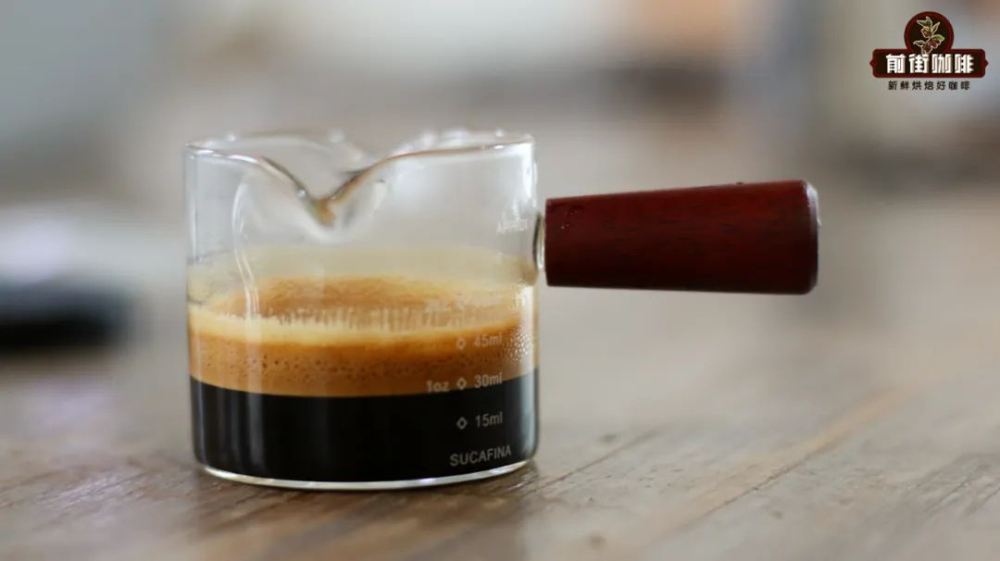
Carbon dioxide acts as a protector of flavors, whether it dissipates naturally or is extracted intentionally. So beans that are too fresh can interfere with extraction, producing coffee with no distinct flavors.
Another extreme is beans that are no longer fresh, naturally holding less carbon dioxide, which results in very thin crema. Stale beans simply do not make good espresso.
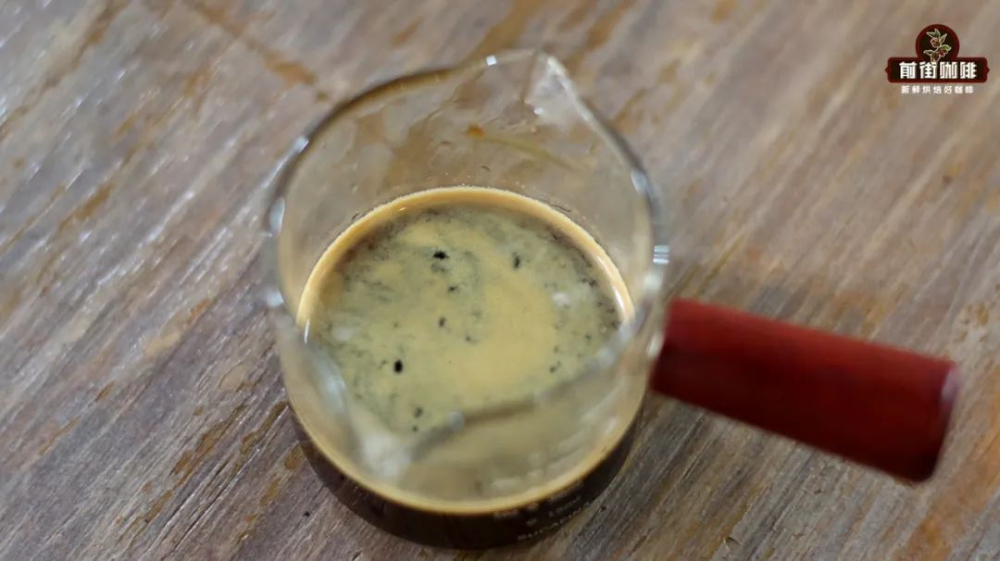
The Impact of Grind Size
Next is the effect of grind size on crema. If the grounds are too coarse, they cannot effectively resist the water pressure, so the coffee liquid flows quickly. The crema will be lighter in color with a watery, thin texture, and the espresso will taste sharp and sour with a watery mouthfeel.
Conversely, if the grind is too fine, the puck strongly resists the water pressure, producing very rich, thick crema with a dark color -- and the espresso will show burnt and bitter flavors.

When Crema Doesn't Tell the Whole Story
We have covered the factors that let you judge quality from crema appearance. Now let's look at cases where crema tells you nothing.
The first involves pulling espresso from both a dark roast and a light roast bean. The dark roast will inevitably have richer crema, a darker color, and a better body than the light roast. Yet both espressos have their own character and both belong in the category of good-tasting coffee.
The second is the Question 2 posed at the start. The crema in all three cups looked fine, rich, and golden, but only one performed excellently. FrontStreet Coffee pulled those three espressos at 6 Bar, 9 Bar, and 11 Bar respectively. Across that range of pressure variation, the crema shows no significant difference, yet the tasted flavors differ obviously: the 6 Bar extraction was rather bland, with flavors not properly expressed, while the 11 Bar extraction showed irritating, burnt flavors.
FrontStreet Coffee Recommendation
Since roast level shapes crema so strongly, it helps to test both ends of the spectrum. FrontStreet's PWN Indonesia Golden Mandheling is a deep roast that pours a thick, dark crema with very low acidity and a long, heavy body of herbal and dark chocolate notes -- a textbook example of how a darker roast fills the cup.
For contrast, FrontStreet's washed Ethiopia Yirgacheffe Gudingding is a light roast whose crema is paler and lighter in body but whose citrus, berry, and floral clarity is the whole point. And if you want a bean prized precisely for balance, FrontStreet's Jamaica Blue Mountain No. 1 strikes an even line between acidity, sweetness, bitterness, and aroma, with cream, caramel, chocolate, and honey notes and a clean, long finish.
Important Notice :
FrontStreet Coffee is a long-established specialty coffee roaster in Guangzhou China, selling freshly roasted beans from its own farm in Yunnan as well as dozens of carefully selected single-origin beans from around the world for both pour-over and espresso. The products deliver consistently excellent quality and great value, with shipping within 24 hours. Guangzhou's FrontStreet Coffee shop is recommended by many coffee lovers, and the beans are now available online at the Tmall 。
FrontStreet Coffee has moved to a new address:
FrontStreet Coffee Address: 315,Donghua East Road,GuangZhou
Tel:020 38364473
 Scan and follow the En Gafei WeChat official account. Please indicate that the reprint comes from "En Gafei".

