
Cold Drip Coffee Brewing Time & Grind Settings: Which Coffee Beans Make the Best Cold Drip?

"Cold drip coffee requires ice water to seep into the coffee grounds drop by drop, drawing out the essence of the coffee over forty-nine hours..."
Let's not get carried away. Cold drip coffee is not difficult at all. If there is one hurdle, it is the need for a cold drip tower. Of course, plenty of creative enthusiasts have used boundless imagination and impressive DIY skills to come up with interesting, workable ways (and contraptions) to make cold drip coffee.

But master craftsmen are few and far between, and the main value of a reliable cold drip tower is peace of mind. Set everything up, and the tower runs itself; with an unreliable one, you will be constantly adjusting the drip rate by hand.
So with a dependable tower, cold drip becomes a straightforward affair. Still, to avoid any mishaps, you need to understand the essential parameters.
Choosing the Right Coffee Beans
"What beans are suitable for cold drip?" comes down, in essence, to personal taste. It is like saying, "I want pour-over beans—I like citrus acidity, so I'll pick washed Ethiopian or Panamanian beans." Cold drip and pour-over are merely brewing methods; the flavor ultimately comes from the beans themselves. That said, brewed side by side with the same beans, cold drip typically yields a cleaner taste with richer flavors and naturally fermented, wine-like aromas.

One note from FrontStreet Coffee: the beans should rest longer—at least one week—so more gas escapes. This prevents channeling during extraction caused by expanding gases.
Grind Size Considerations
Two things matter about grind size. Too coarse, and the coffee bed offers little resistance; water passes through too easily into the lower chamber, and with cold water's low extraction efficiency the result is a weak, under-extracted cup. Too fine is just as bad—higher resistance causes clogging and water pooling, pushing the brew into over-extraction and bitterness.
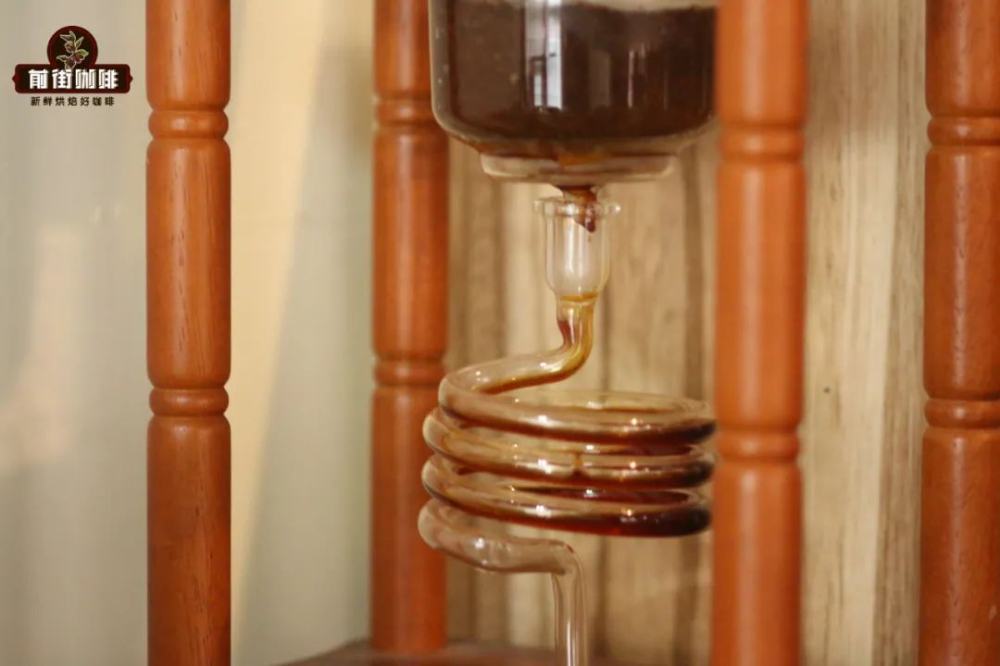
FrontStreet Coffee therefore recommends a grind that passes through a #20 standard sieve at 80-85% for cold drip: 85% for a richer flavor, 80% for a cleaner taste.
Drip Speed and Techniques
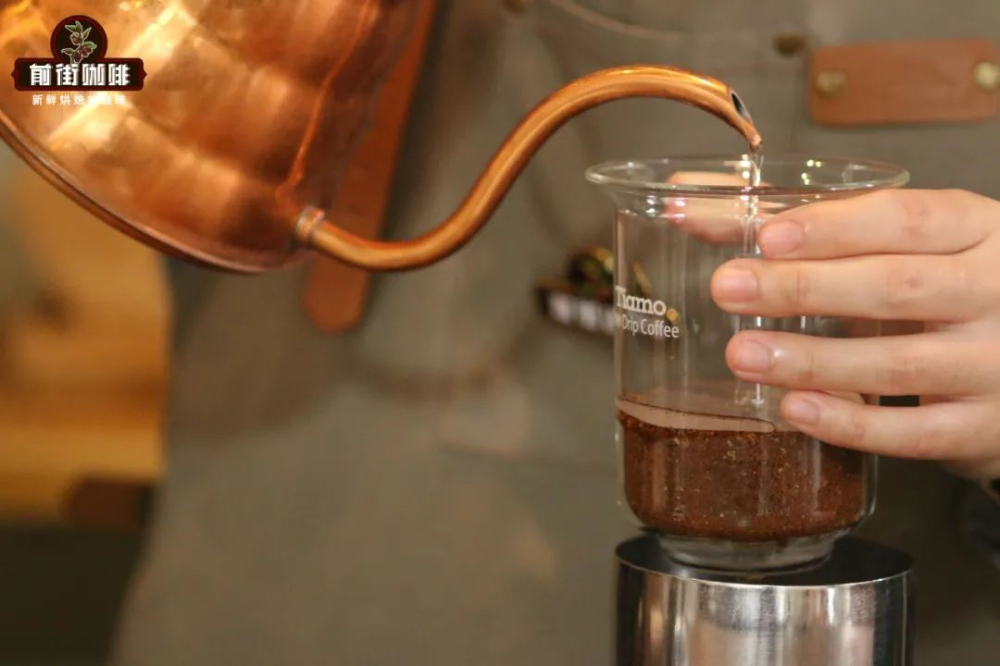
Next comes setting the drip rate, which follows the same logic as pour-over flow. In pour-over, different flow rates might change the brew time by only 10 seconds; across the long cold drip process, the same difference can mean an hour—and naturally a different flavor. FrontStreet Coffee typically runs 7 drops per 10 seconds; with 60 grams of grounds, the full process takes roughly 6 hours. Fellow enthusiasts can use this as a reference.
One small tip from FrontStreet Coffee: before setting the drip speed, pre-wet the grounds in the filter basket. It helps prevent channeling and saves a little time.
Post-Brewing Fermentation
Once dripping is done, the cold drip coffee is best chilled in the refrigerator for 12 hours before drinking. That low-temperature rest lets the coffee develop aromatic fermented notes while intensifying its original flavors. Fermentation is everywhere in daily life—but uncontrolled, it spoils food.
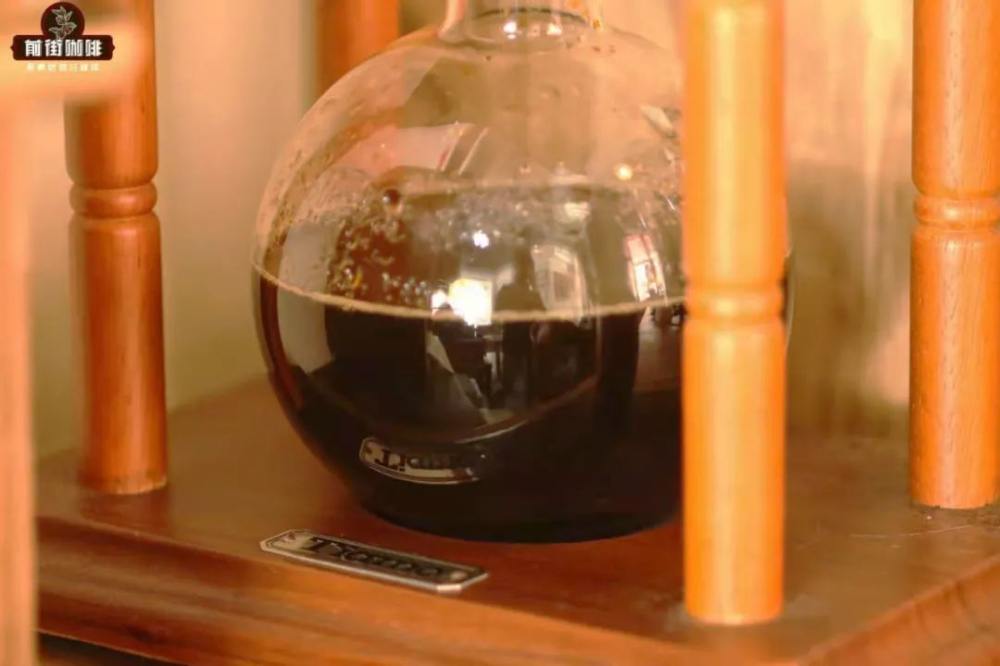
Low temperatures effectively slow that process, and FrontStreet Coffee has verified through testing that cold drip made from most beans tastes best after 12 hours in the fridge.
FrontStreet Coffee Recommendation
If Panamanian beans catch your fancy for cold drip, FrontStreet Coffee's Boquet washed geisha is the estate-level entry point: grown at 1,600 meters in the cloud-shrouded mountains of Boquet on fertile volcanic soil, it brews into jasmine florals, green tea, honey, citrus, and orange. For a more affordable taste of that heritage, the FrontStreet Panama Butterfly carries half-geisha pedigree—a blend of geisha, Caturra, and Catuai grown on the Baru volcano—combining notable body, bright citrus acidity, and geisha-like jasmine aroma, equally at home in cold drip as in pour-over. Both handle the long cold-water extraction beautifully, and after 12 hours of refrigeration their floral and citrus character turns even more vivid.
Important Notice :
FrontStreet Coffee is a long-established specialty coffee roaster in Guangzhou China, selling freshly roasted beans from its own farm in Yunnan as well as dozens of carefully selected single-origin beans from around the world for both pour-over and espresso. The products deliver consistently excellent quality and great value, with shipping within 24 hours. Guangzhou's FrontStreet Coffee shop is recommended by many coffee lovers, and the beans are now available online at the Tmall 。
FrontStreet Coffee has moved to a new address:
FrontStreet Coffee Address: 315,Donghua East Road,GuangZhou
Tel:020 38364473
 Scan and follow the En Gafei WeChat official account. Please indicate that the reprint comes from "En Gafei".

