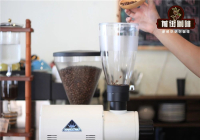
How to Grind Coffee Beans into Coffee Powder - Espresso Grinding Coarseness Adjustment
Understanding the Impact of Burr Temperature on Coffee Grinding
For coffee professionals, the hardest daily task is dialing in espresso. Because beans change state day by day, the same grind setting can yield different particle sizes, shot times, and flavors — often forcing you to sacrifice several shots before finding the right parameters.

But bean state isn't the only variable. Burr cleanliness and residual grounds in the hopper and chute, the bean level in the hopper, ambient humidity, and burr temperature — all of these commonly overlooked details change your particle size and flavor. Ignore them and tweak settings blindly, and you'll burn through a lot of good coffee for nothing.
Cleaning Grinder Burrs and Residual Grounds in the Hopper/Chute
Most professionals wipe down their grinder daily, but few actually remove the burrs to check for clumped grounds. Burrs don't need constant cleaning, yet they shouldn't be neglected either. Whether it's an espresso grinder or a single-dosing grinder, pull the burrs apart for a thorough cleaning once a week — just never with water.
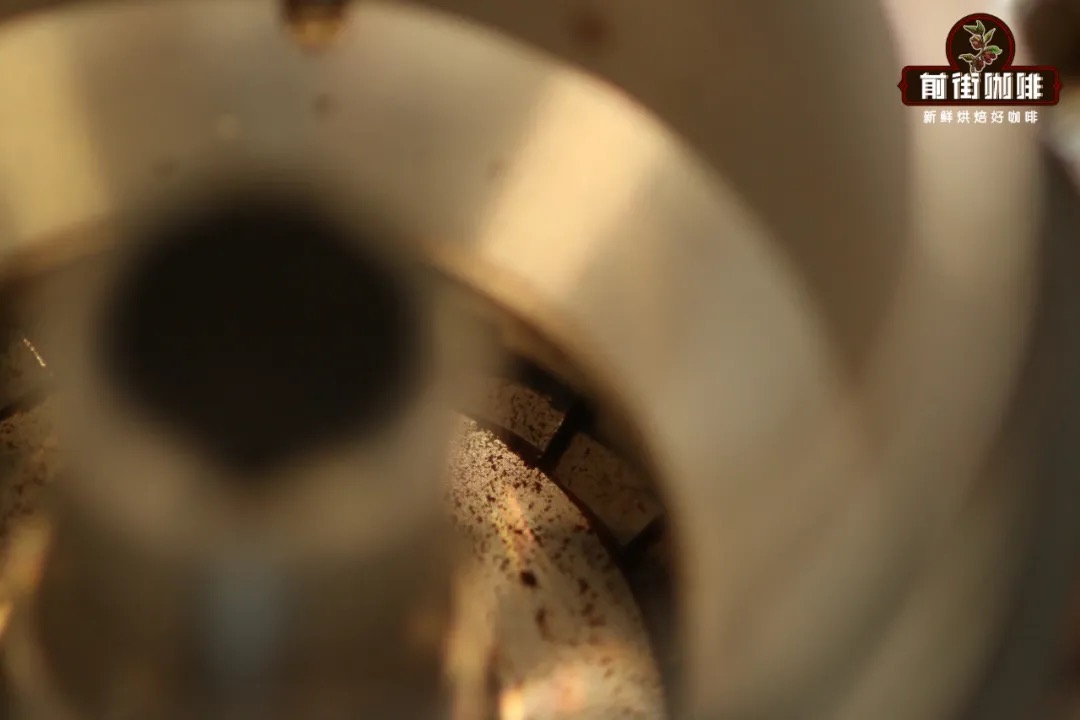
Espresso beans are usually roasted medium-dark or darker, and as they release carbon dioxide they develop an oily surface. Every grinding session leaves some of that oil on the burr teeth; over time, grounds stick together into clumps. Once those clumps fill the gaps between the burr teeth, particle size becomes uneven — and extraction quality suffers.
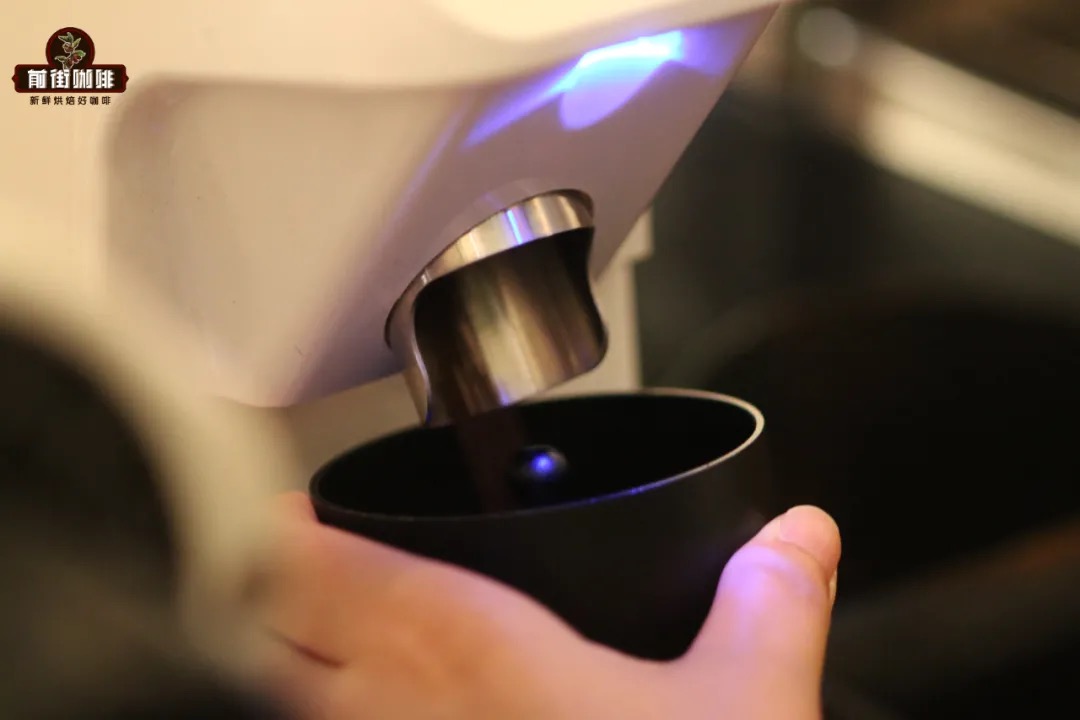
Residual grounds in the chute lose their aromatics the longer they sit exposed to air. When fresh coffee mixes with stale grounds in the basket, the shot picks up unpleasant bitter, woody flavors. So if the grinder has been idle for more than 15 minutes, brush out the chute and hopper before pulling the next shot.
Temperature of the Grinder Burrs
When a grinder runs at high speed for long stretches, the burrs heat up, and that heat does two things. First, hot burrs grind coarser and less evenly. Research reports suggest that with the same grinder on the same setting, beans ground on room-temperature burrs come out finer and more uniform — heat increases the toughness of the bean structure, producing coarser, more irregular particles.
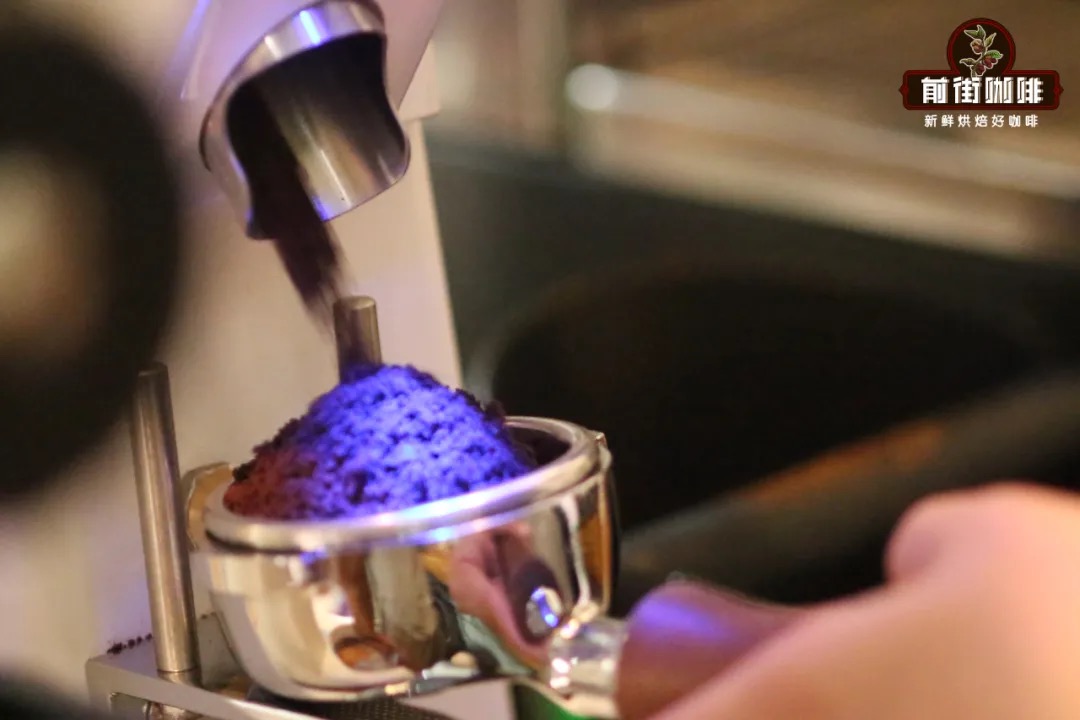
Second, burr heat accelerates the evaporation of flavor compounds from the grounds and raises the extraction temperature, lowering the coffee's viscosity. Don't assume a few degrees mean nothing — subtle shifts like these can dramatically change how the whole shot performs.
Environmental Humidity
Air moisture affects both bean storage and grinding. Whether from changing weather or simply switching the air conditioning or heating off at night, humidity drifts constantly. Because coffee beans need cool, dry storage, keep the hopper lid closed during service and transfer beans into dry, sealed containers or their original packaging overnight.
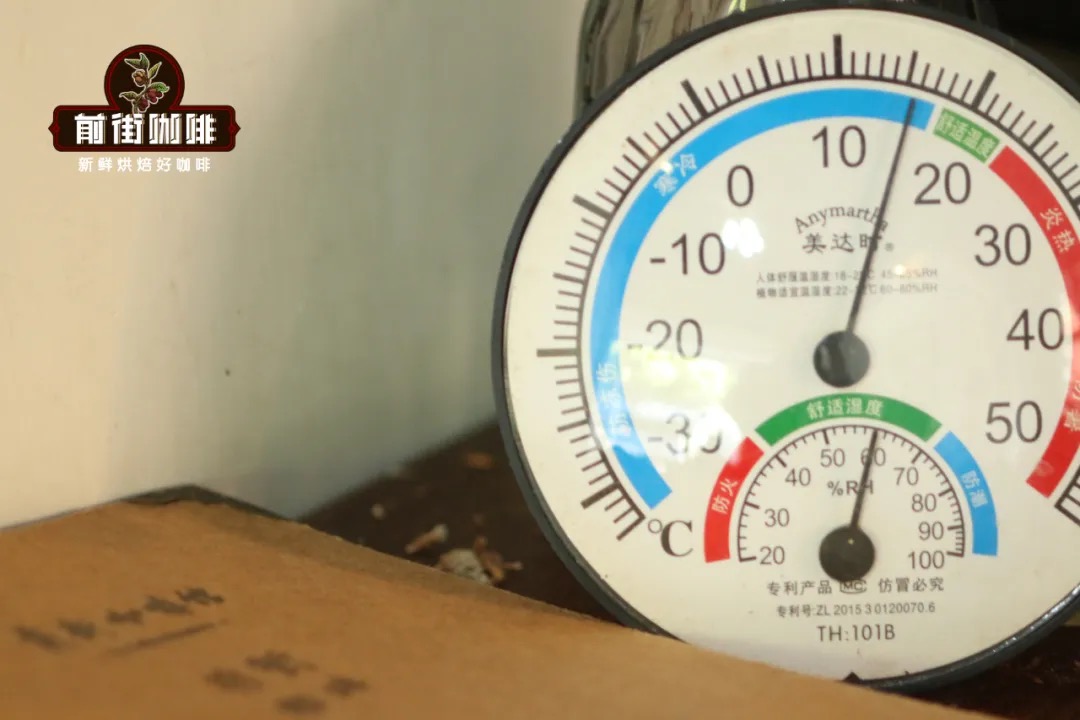
When beans or burrs get damp, fine grinding produces clumps. If clumps aren't broken up before extraction, you get "channeling": water keeps washing over the outer particles and over-extracts them, while the inner particles barely get touched. Clumps also disrupt the water channels through the coffee bed, so extraction ends up uneven overall.
Amount of Beans in the Hopper
This is the most easily missed detail of all. Many baristas only top up the hopper when it's nearly empty — don't. Both a hopper that's too full and one that's too empty will change your grind size.
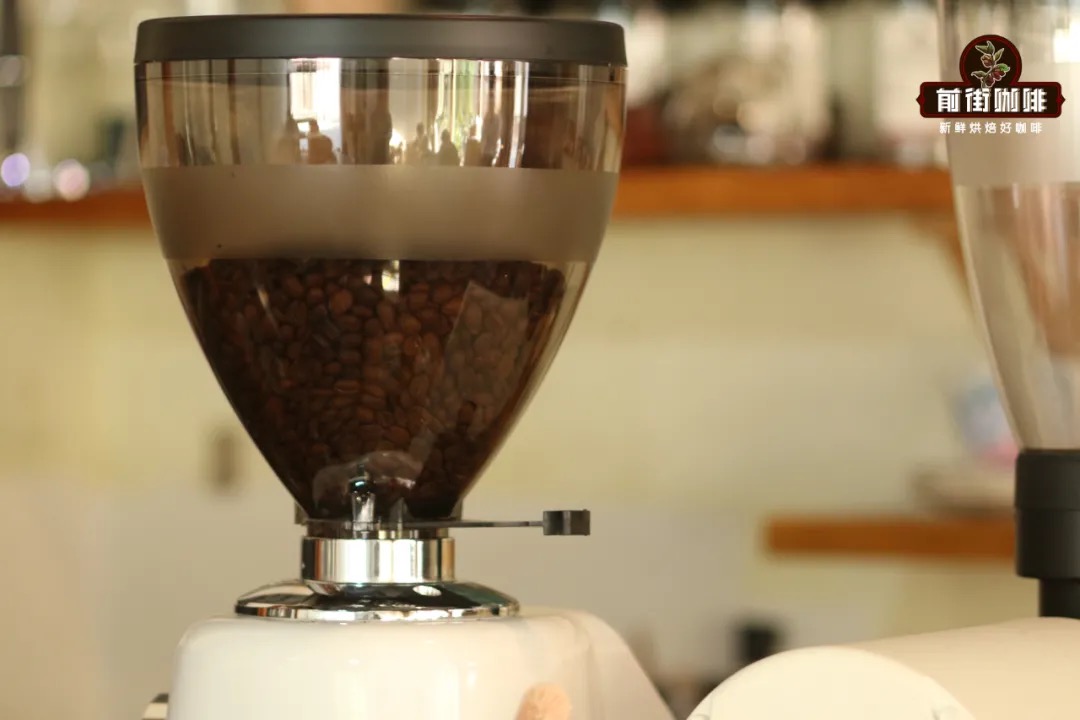
A full hopper compresses the beans as they grind, producing finer particles. A nearly empty hopper gives beans room to "bounce" during grinding, yielding coarser, uneven particles. FrontStreet Coffee suggests keeping the espresso hopper about two-thirds full and never letting it drop below one-third.
FrontStreet Coffee Recommendation
All this fine-tuning only pays off with the right beans. Espresso beans fall into two camps: blends, which most cafés prefer for balance, and single-origin espressos (SOE) for a specific flavor. For traditional-style Americanos and lattes, FrontStreet's Classic Blend or Commercial Blend — classic Italian recipes with a touch of Robusta — deliver butter, nuts, spice, dark chocolate, and toast aromas with a thick body and abundant golden crema that makes latte art effortless.
If nutty espresso is your preference, the FrontStreet Premium Blend (washed Colombian Huila plus Brazilian beans) offers almond, walnut, and chocolate notes with a gentle acidity and silky mouthfeel, while the FrontStreet Black Cocoa Blend adds the ripe-plum acidity of Yunnan beans and a creamy chocolate fragrance — balanced, adaptable, and a great base for signature milk drinks. Ground fine for espresso, all of them reward a clean, well-maintained grinder.
Important Notice :
FrontStreet Coffee is a long-established specialty coffee roaster in Guangzhou China, selling freshly roasted beans from its own farm in Yunnan as well as dozens of carefully selected single-origin beans from around the world for both pour-over and espresso. The products deliver consistently excellent quality and great value, with shipping within 24 hours. Guangzhou's FrontStreet Coffee shop is recommended by many coffee lovers, and the beans are now available online at the Tmall 。
FrontStreet Coffee has moved to a new address:
FrontStreet Coffee Address: 315,Donghua East Road,GuangZhou
Tel:020 38364473
 Scan and follow the En Gafei WeChat official account. Please indicate that the reprint comes from "En Gafei".