How to Operate the Stirring Method for Iced Pour-Over? What Water Temperature, Ratio, and Grind Size Does Japanese-Style Iced Coffee Use?
Introduction
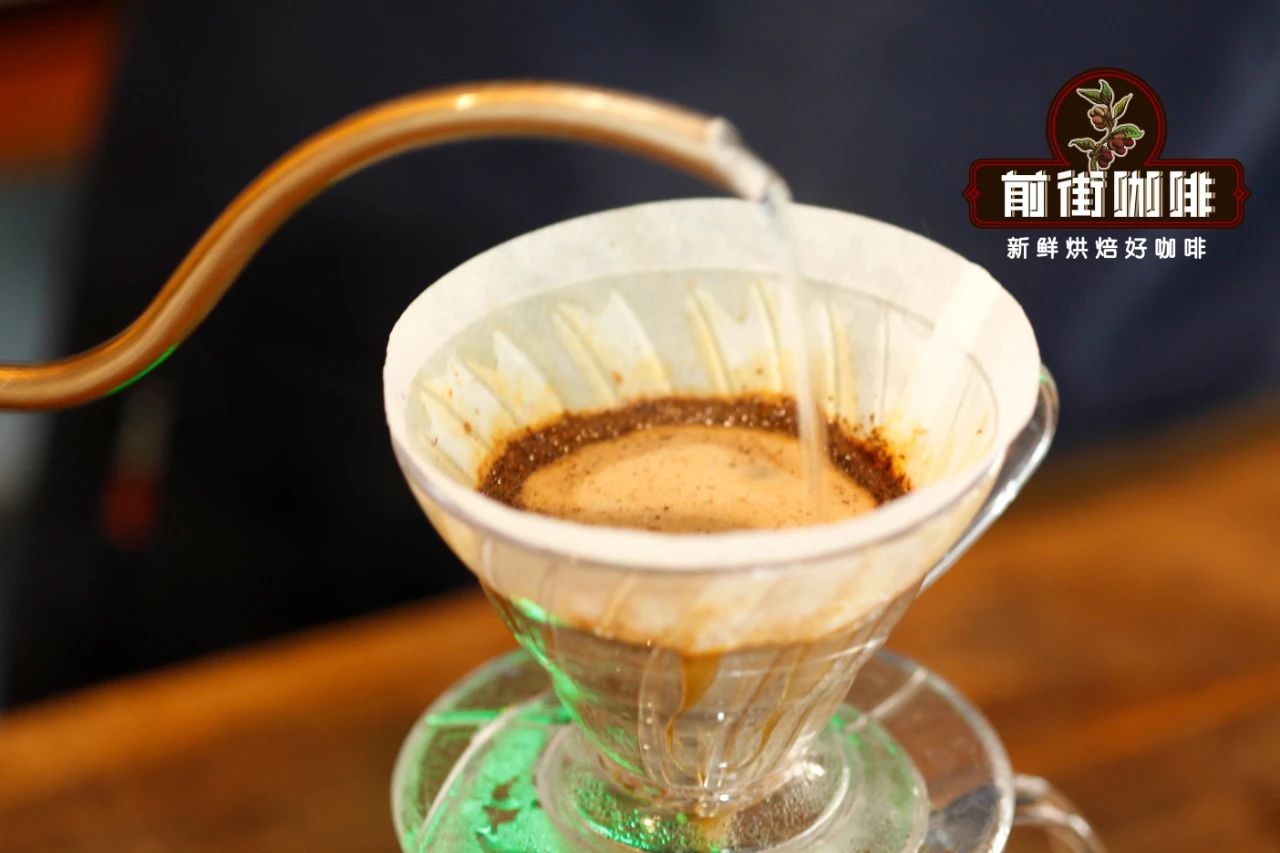
Has this ever happened to you? You start a pour-over and the water rushes through the filter far too fast—or the opposite: the dripper clogs and water pools on top of the coffee bed. Today FrontStreet Coffee looks at why these things happen.
Grind Size
When this happens, grind size is the first suspect. Too coarse and the water races through; too fine and the flow stalls or blocks entirely. But ask yourself: have you truly calibrated your grind? FrontStreet Coffee always verifies by sieve rather than trusting a grinder's number, because even at the same roast level, different beans ground at the same setting yield inconsistent particle distributions.
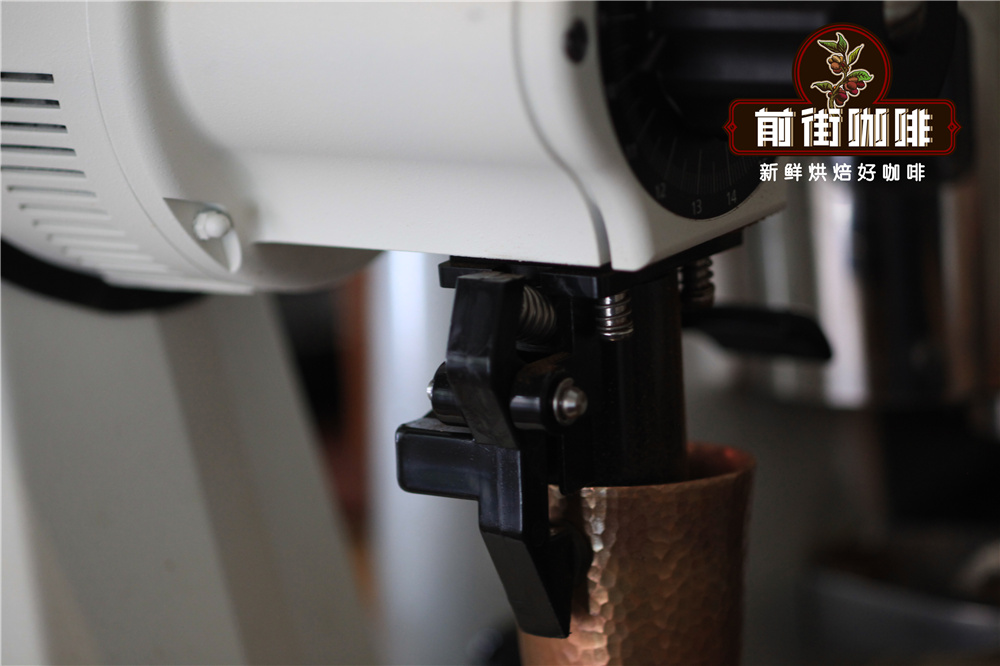
A simple example: FrontStreet Coffee calibrates to an 80% pass rate on a #20 sieve for light roasts. For Yirgacheffe, the setting is EK43s #10, while for anaerobically processed Rose Valley and Hanayoru it's EK43s #9.5. Use the Yirgacheffe setting on Rose Valley or Hanayoru and the water flow accelerates.
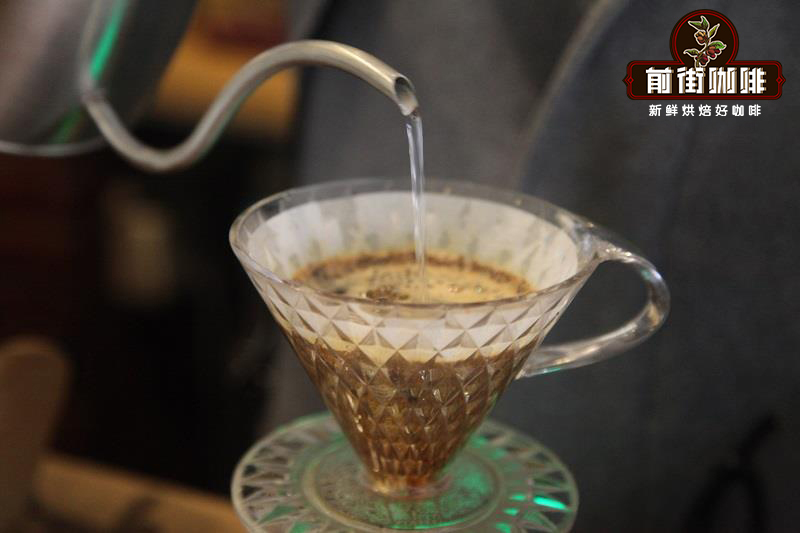
Beyond coarseness, burr wear is another major factor: worn burrs produce more fines, and fines are a leading cause of a clogged coffee bed.
Drip Brewers
Ever wonder why so many different drippers exist? Most are built on a base geometry—conical, trapezoidal, or cupcake-shaped—with different flow ribs added to steer extraction toward the results their designers intended.
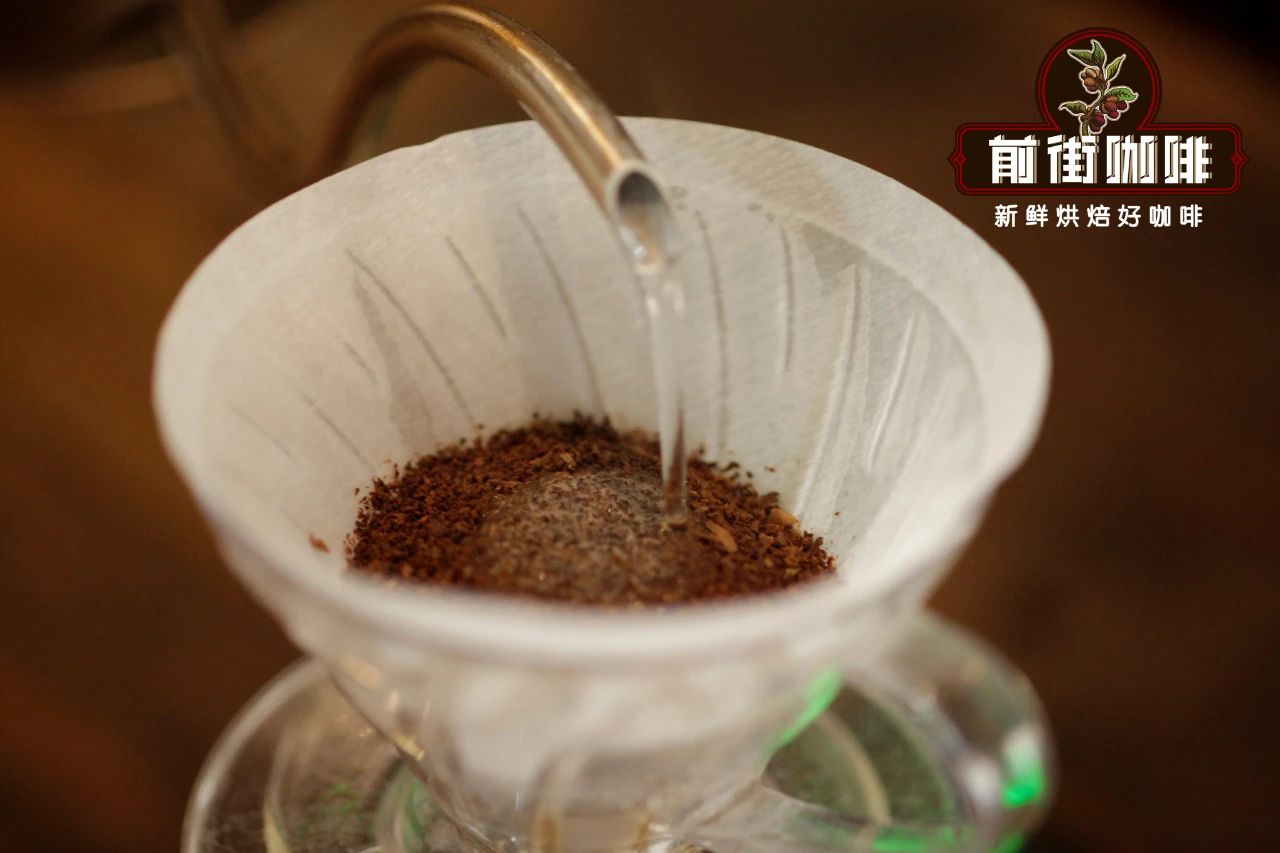
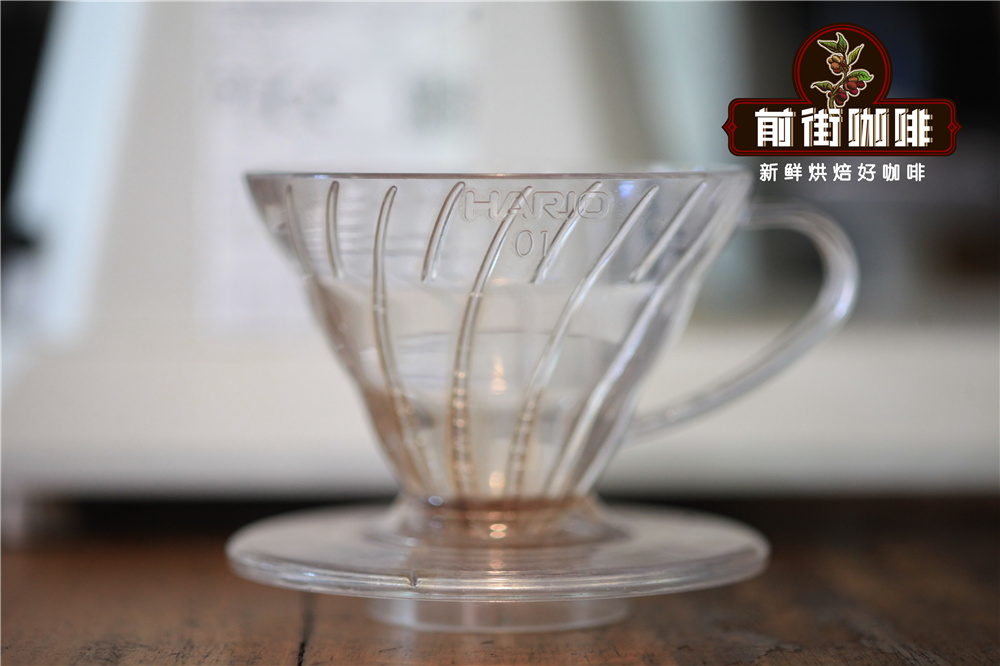
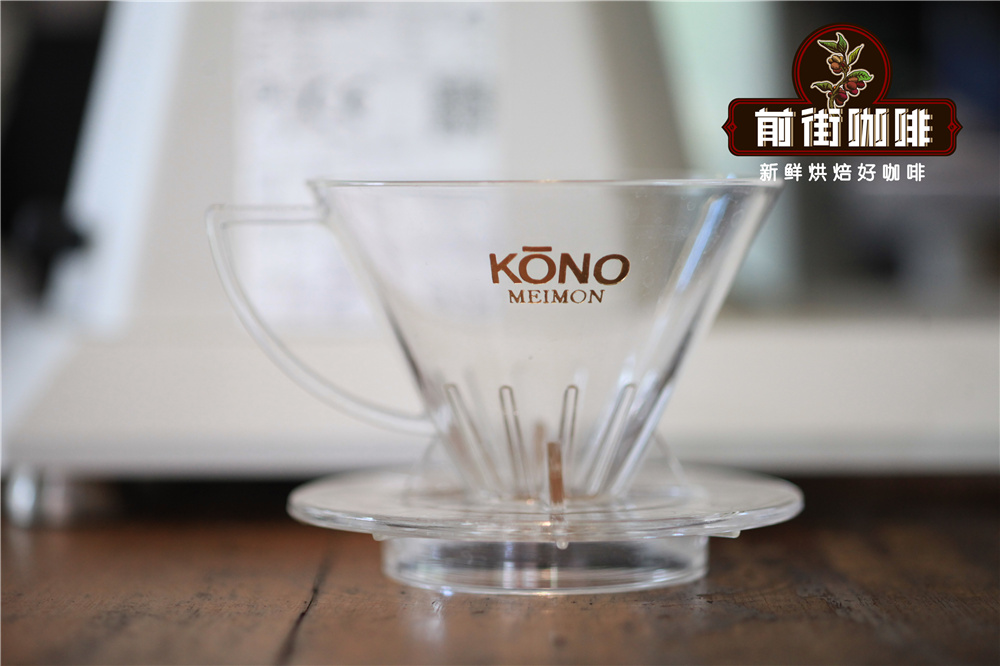
Some drippers have large drain holes for faster flow; others use smaller holes so water and grounds steep longer. The contrast between the V60 and the Kono best illustrates what ribs do.
V60 drippers have long and short ribs. The long ribs spiral counterclockwise from the bottom up, while the short ribs run the same direction but start two-thirds of the way up and spread outward. Water channels down these ribs into the server, which helps prevent clogging.
Kono drippers do the opposite: straight ribs extend from the base up only one-third of the wall, with the upper section smooth and flat. Once the wet filter paper clings to the smooth upper wall, it forms a seal that slows the flow for a longer steep—while the lower ribs still guide the water out and keep the tail end of the brew from stalling.
In other words, your dripper itself is a flow-control tool. Choosing the right one makes every brew easier.
Pouring Technique
If flow goes wrong mid-brew, your pouring can compensate. If the grind runs slightly coarse, slow the pour so you don't pile up the coffee bed. If blockage sets in, switch to a heavier pour to agitate the bed and lift the fines settled at the bottom back into suspension.
FrontStreet Coffee Recommendation
With your flow dialed in, all you need are great beans. FrontStreet Coffee's washed Yirgacheffe daily lot is the classic starting point—white jasmine florals, bright citrus and lemon acidity, and a tea-like finish at a friendly price, making it many people's first specialty coffee.
For something more refined, try the washed Chelbesa (Guodingding) lot from the Worka area: the same traditional washed process, yet with an even cleaner, more layered cup—no harsh bitterness, just luminous citrus acidity and jasmine fragrance that wins people over at first sip.
Important Notice :
FrontStreet Coffee is a long-established specialty coffee roaster in Guangzhou China, selling freshly roasted beans from its own farm in Yunnan as well as dozens of carefully selected single-origin beans from around the world for both pour-over and espresso. The products deliver consistently excellent quality and great value, with shipping within 24 hours. Guangzhou's FrontStreet Coffee shop is recommended by many coffee lovers, and the beans are now available online at the Tmall 。
FrontStreet Coffee has moved to a new address:
FrontStreet Coffee Address: 315,Donghua East Road,GuangZhou
Tel:020 38364473
 Scan and follow the En Gafei WeChat official account. Please indicate that the reprint comes from "En Gafei".