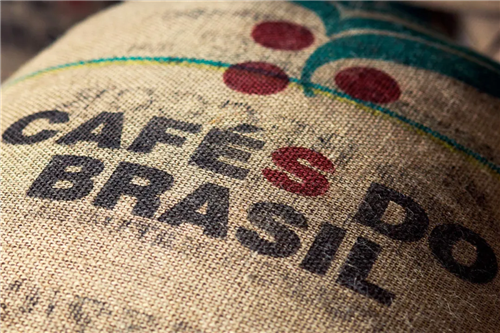
Suez Canal Blockage and Shipping Container Shortage May Cause Global Arabica Coffee Bean Prices to Soar
According to Bloomberg, coffee supply in the United States is shrinking while wholesale prices are soaring. The global shipping container shortage has already hit the food trade, and the heavily affected market is bracing for further impact. Despite Brazil's record coffee production in 2020, US coffee inventories have dropped to a 6-year low. With demand rebounding and Brazilian production falling sharply because of drought, the global coffee production balance is expected to swing into deficit.

Central and South America are important coffee supply sources for the United States, especially Brazil. Container shipping capacity has become severely insufficient, forcing importers and roasters to face rising costs and supply constraints. The head of a Florida importer said: "Shipping costs from Central and South America have more than doubled."
The coffee market indicates that as the economy recovers, food inflation may keep intensifying. Since Brazil hit drought at the end of October last year, New York Arabica coffee futures prices have risen by approximately 24%. Industry data from Monday, March 22, showed that in February of this year, US green bean inventories fell 8.3% year-on-year, the smallest decline since 2015.

Analysts say the drop in inventories means the buffer that would soften Brazil's production decline in the 2021/22 season is weakened, exacerbating market tension and providing sustained support for prices. This month, Marex Spectron raised its forecast for the global coffee deficit for 2021-2022 to 10.7 million bags, up from the previous forecast of 8 million bags, citing drought impacts on coffee tree flowering and fruiting that reduced Brazilian Arabica production. Goldman Sachs said in a report that if coffee production in Central America does not improve in the coming years, with demand rebounding, the market will enter a structural deficit.

A director from Dinamo, one of Brazil's large coffee warehouse operators, said the company's coffee warehouse in Machado, Minas Gerais, is waiting on 18 containers to transport beans for export. Because of port congestion, those containers may take about 15 more days to arrive, which has also reduced Brazil's coffee exports in March.
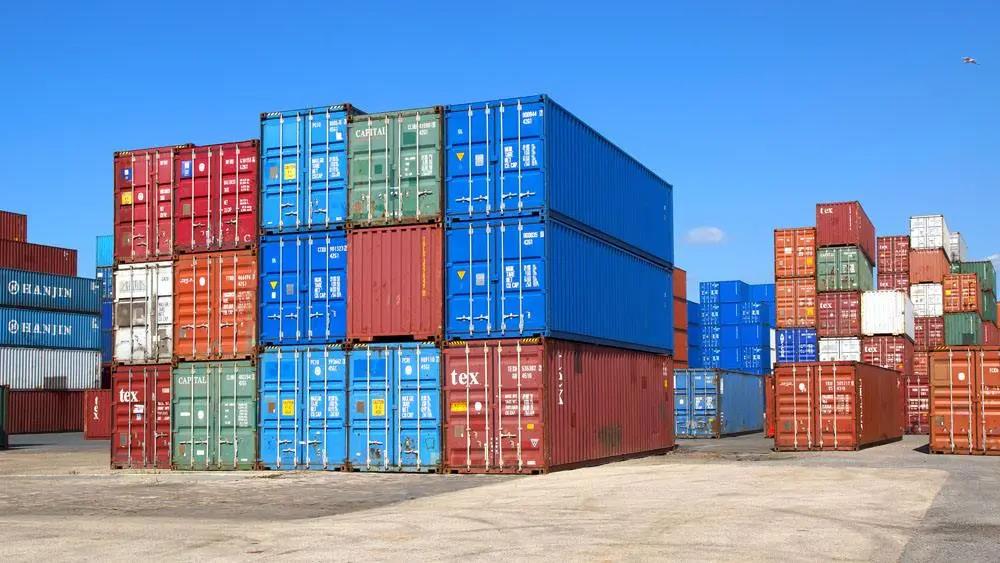
The world's largest shipping company said it is currently unable to buy or lease containers and charter ships, worsening port congestion and export delays. It is trying to buy or lease every available container and to use already aging containers to keep operating. The company originally said that, whether judged by procurement patterns or vessel supply, this was temporary, and it expected the situation to return to normal in the first half of 2021.
However, on March 23, a mega-container ship named EVER GIVEN (400 meters long, nearly 59 meters wide) under Evergreen Marine ran aground shortly after entering the southern section of the Suez Canal, blocking the waterway. This forced 15 following container ships to remain stationary, and the route for southbound vessels was blocked as well.

The global container shipping industry is currently in a severe bottleneck, and the Suez Canal is one of the world's busiest waterways, connecting the main international shipping routes across Europe, Asia, and Africa. It handles approximately 10% of global maritime trade volume, meaning that when this artery is blocked, goods cannot flow. After the grounding, the market expected coffee prices to surge significantly that day, with US C-type coffee futures prices closing up 3.71% on March 22.

Goods cannot be exported smoothly, containers cannot reach ports in the short term, and port congestion and the container shortage keep worsening. Brazil's national coffee harvest season is about to begin, so Brazilian coffee exports will also be severely affected — and global coffee prices are expected to rise further.
FrontStreet Coffee Recommendation
Whatever happens to futures prices, a good Brazilian cup stays reassuringly consistent. FrontStreet Coffee's Cerrado Red Bourbon comes from Cerrado, a region known for high-quality beans, and uses the red Bourbon variety common across South America. Medium roasted, it shows rich creamy peanut, toasted bread, caramel, and hazelnut aromas, with a rounded body, no acidity, and a light bittersweet edge — comfortable in a pour over, and just as good in a moka pot, espresso SOE, siphon, or French press.
Another easy-drinking option is FrontStreet Coffee's Queen Estate, from Mogiana near Sul de Minas, where fertile red volcanic soil lets the cherries take up abundant nutrients for a full aroma. It's a rare yellow Bourbon, a natural mutation of red Bourbon, and cups cleaner in fruit — brewed as pour over, moka pot, or on a home espresso machine, it brings a sugarcane sweetness no other region quite matches, plus fruit and chocolate notes. Both make a dependable, affordable daily cup whether or not the market is nervous.
Important Notice :
FrontStreet Coffee is a long-established specialty coffee roaster in Guangzhou China, selling freshly roasted beans from its own farm in Yunnan as well as dozens of carefully selected single-origin beans from around the world for both pour-over and espresso. The products deliver consistently excellent quality and great value, with shipping within 24 hours. Guangzhou's FrontStreet Coffee shop is recommended by many coffee lovers, and the beans are now available online at the Tmall 。
FrontStreet Coffee has moved to a new address:
FrontStreet Coffee Address: 315,Donghua East Road,GuangZhou
Tel:020 38364473
 Scan and follow the En Gafei WeChat official account. Please indicate that the reprint comes from "En Gafei".