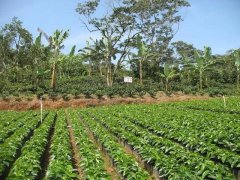
El Salvador Specialty Coffee Regions: Brewing Flavor Characteristics of El Salvador Chocolate Lover Estate
Professional coffee knowledge exchange. For more bean guides, follow Coffee Workshop (WeChat public account: cafe_style).
El Salvador was once the world's fourth-largest coffee-producing country, but decades of civil war devastated its entire coffee industry. Once the conflict ended, local people began to reclaim long-abandoned farmland, replanting coffee trees batch after batch. In recent years, as those trees have started to bear fruit, El Salvador's coffee has regained its vitality. FrontStreet Coffee has continually sourced beans from estates across El Salvador for roasting and cupping. Through these comparisons, FrontStreet Coffee finds that Salvadoran beans are marked by delicate, soft acidity and a sweet, balanced profile that follows a fresh flavor direction.
El Salvador's Coffee Industry Crisis
Since coffee was introduced in the 19th century, it quickly became the country's main export as the Salvadoran government poured resources into lucrative emerging industries. By the 1930s, coffee made up over 90% of the country's exports. Even through two World Wars and periods of global recession, El Salvador remained among the top coffee-producing nations.
It was not until the civil war of the 1980s that land reform reversed earlier policies and broke up the country's large-estate system. The land reform and the nationalization that followed disrupted the structure and efficiency of the coffee industry and nearly broke general coffee trade. Even so, coffee stayed highly profitable in the country until 2000.
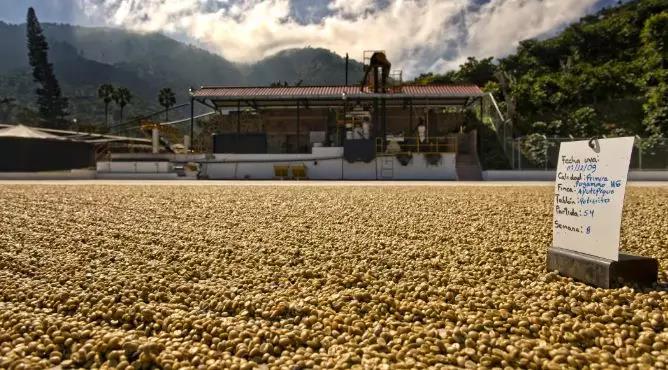
In 2001, however, the industry suffered a second major shock as coffee prices fell to $0.43 per pound. According to ICO data, El Salvador's production dropped by more than 34% that year. The steep price decline collapsed the country's coffee economy, and producers and exporters defaulted on their bank debts.
Beyond decades of political and price troubles, El Salvador's coffee industry also lacked unity. By 2013, leaf rust disease had broken out, cutting production by 60% from 8.58 million bags (one bag weighing roughly 60-70 kg). Since 2014, although private and government efforts have helped lift annual production by 7.5%, no effective measure has pushed output back into seven figures. In 2016, the country's Ministry of Agriculture launched a new plan to distribute 20 million rust-resistant plants to small farmers in an effort to further revitalize the industry.
El Salvador's Coffee Growing Conditions
Geographically, El Salvador sits between Honduras and Guatemala, with the Pacific Ocean to the south. Its terrain is predominantly mountainous highland. Known as the "Land of Volcanoes," El Salvador has volcanic zones rich in minerals that create fertile, high-quality soil well suited to coffee. Most Salvadoran coffee gardens use shade-grown cultivation, and the harvest season runs from November to April.
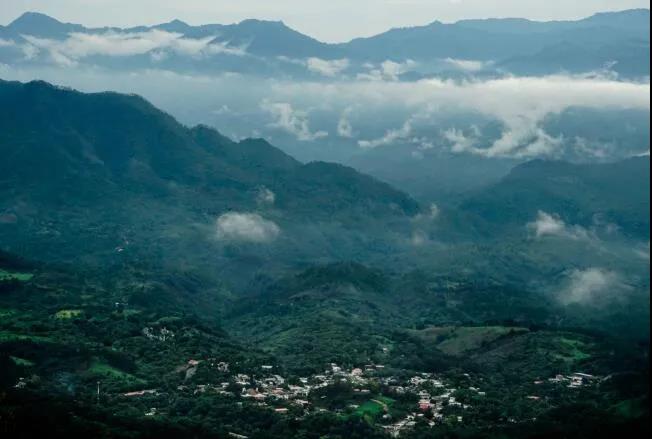
Today El Salvador has 23,000 coffee growers, nearly 90% of whom own farms smaller than 17 hectares. Small and medium-sized farms account for 80% of the country's total production. In addition, roughly 15,000 small farmers have formed 119 cooperatives that provide economic and social support to member families.
El Salvador's Coffee Growing Regions
Salvadoran coffee has 8 major producing regions, mostly on high mountain slopes or plateaus blanketed in volcanic ash above 1,200 meters. The harvest and collection season runs from November to April of the following year. Because coffee prefers a mild climate, Salvadoran trees are mostly grown under tall shade trees to avoid excessive heat and direct sun that would harm bean quality. The beans belong to the Arabica species, with Pacas and Bourbon as the main varieties—large beans with sweet flavors and excellent cup profiles.
Apeneca-Ilamatepec Mountain Region
Located in western El Salvador, this coffee features refreshing sweetness, floral notes, chocolate, drupes, peaches, and cream flavors, with citrus-like subtle acidity and a delicate texture. The aftertaste is long-lasting. Altitude: 1,000-2,365m.
Alotepec-Metapan Mountain Region
Located in northern El Salvador, bordering Honduras, this region yields excellent aroma and floral flavors, balanced by chocolate, citrus, and a distinctive acidic caramel sweetness, with pronounced fruit flavors. Altitude: 1,000-2,000m.
El Balsamo-Quezaltepec Mountain Region
Located in the southern foothills of the coastal mountains of La Libertad province, roughly south of San Salvador and San Vicente, and extending west from the Armenia Gorge into the neighboring province of La Paz to the northwest. Coffee from this region has excellent balance, creamy flavors, superb concentration, vanilla aroma, and bright acidity, with a very smooth texture. Altitude: 1,000-1,960m.
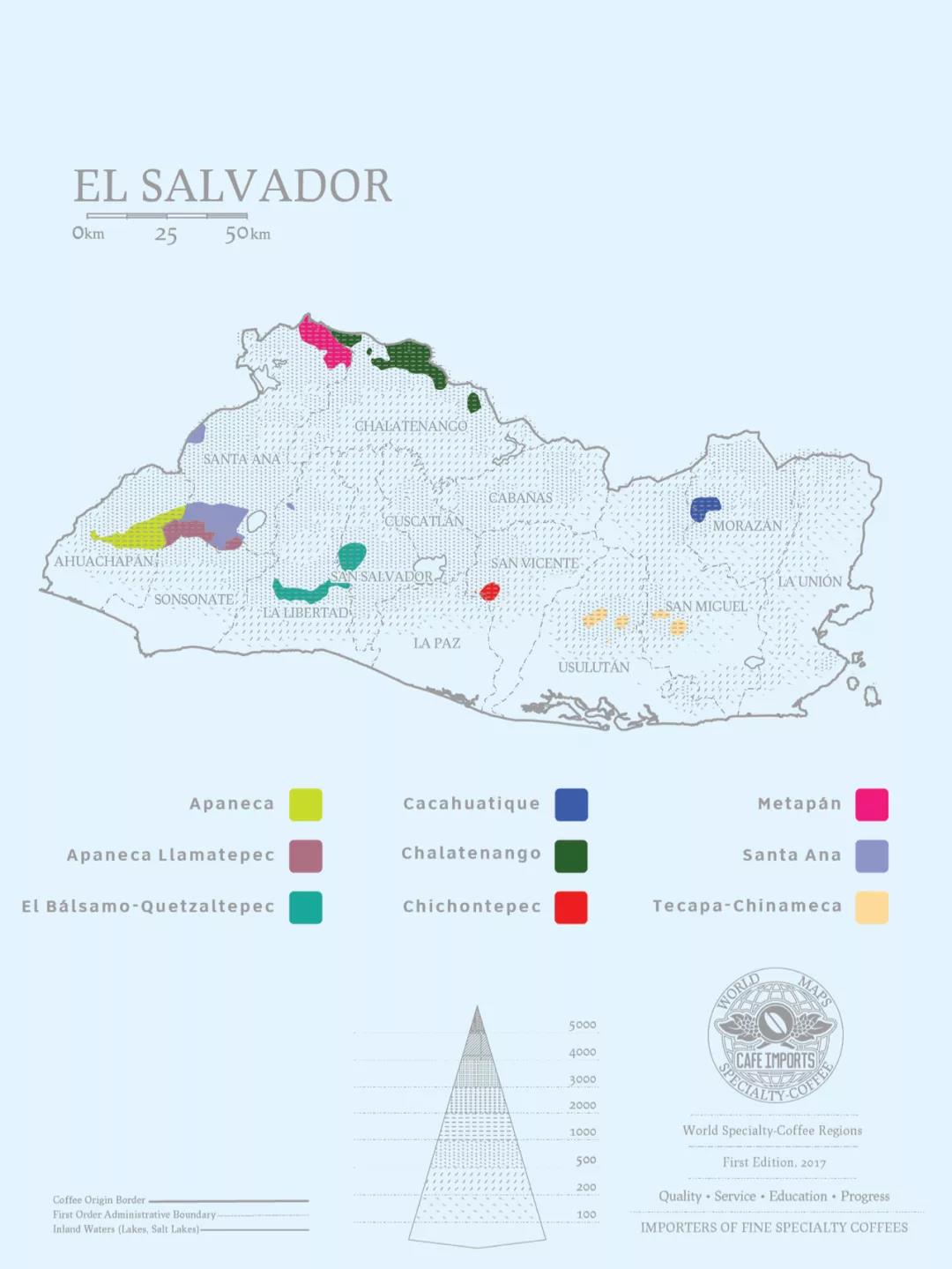
Chichotepec Volcano Region
Located in San Vicente city, central El Salvador. The coffee has a fragrant aroma with orange blossom floral notes and chocolate sweetness. Altitude: 500-1,000m.
Tecapa-Chinameca Mountain Region
Located between San Miguel city, the Lempa River, and the Grande River, with slopes tilting north toward the central valley and descending gently south to the coast. Flavors are very diverse: the coffee is rich and aromatic, with an excellent balance of acidity and sweetness, featuring chocolate and ripe fruit plus cantaloupe, apple, and grape sweetness. Altitude: 1,000-2,139m.
Cacahuatique Mountain Region
Located east of Barrios city, between San Miguel and Morazán provinces, from the Torola River Valley in the north (the mountainous area along the Honduras border) to the Torola River Valley in the south, extending east to San Francisco Gotera city. Coffee from this region has delicate juice flavors, excellent texture, rich coffee flavor, and almond aroma. Altitude: 1,000-1,663m.
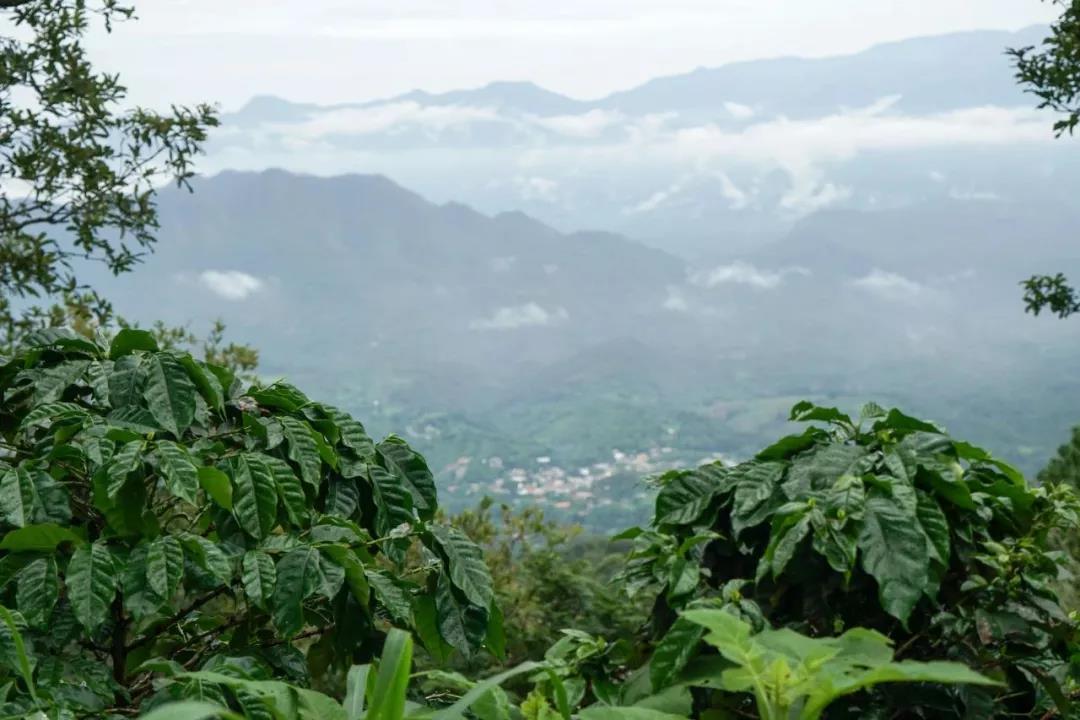
El Salvador's specialty coffee is concentrated in the volcanic rock regions of Santa Ana in the west and Chalatenango in the northwest, at elevations of 900-1,500m. In recent years, the top ten finishers in cupping competitions have come almost exclusively from these two regions.
Chalatenango
This region lies in north-central El Salvador, in remote volcanic mountain ranges with fertile soil highly suitable for coffee. Most coffee from here is SHB (Strictly Hard Bean), meaning beans grown above 1,400 MASL.
Santa Ana
Considered a high-quality Salvadoran coffee region in recent years, mainly for two reasons: 1. a variable microclimate, and 2. volcanic gravel soil with good drainage and fertility. Altitude: 1,000-2,000m.
El Salvador's Coffee Varieties
The main varieties cultivated in El Salvador are Typica, Bourbon, Pacas, and Pacamara.
Bourbon is a variant of early Typica after it was transplanted to Yemen, with the bean shape changing from slender and pointed to round. In 1715, France transplanted Yemen's round Mocha beans to Bourbon Island off the east coast of Africa (renamed Reunion Island after the French Revolution), and the variety took its name from the island. Bourbon round beans were transferred to Brazil and Central and South America in 1727. In 1732, Britain also transplanted Yemen Mocha to St. Helena Island (where Napoleon was later imprisoned)—likewise Bourbon round beans. Bourbon is the perennial champion of American specialty coffee cupping competitions.
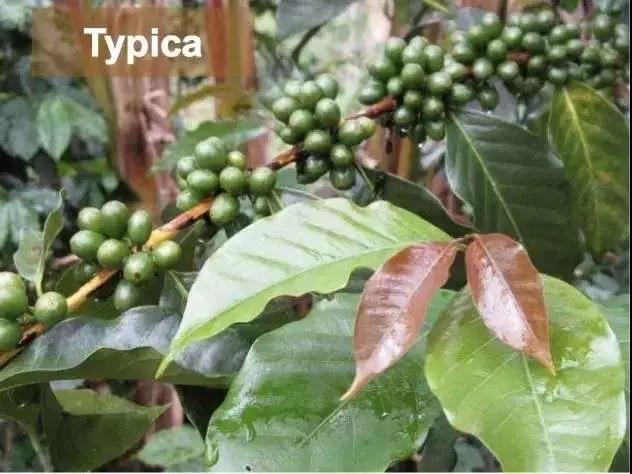
Typica is Ethiopia's oldest native variety. It has bronze-colored top leaves and oval or slender-pointed beans, with an elegant flavor—but a weak constitution, poor disease resistance, and low yield. Premium coffees such as Jamaica Blue Mountain, Sumatra Mandheling, and Hawaii Kona all belong to Typica.
How Pacamara Saved El Salvador's Coffee Industry
Pacamara is a hybrid of Pacas and Maragogipe (Elephant Bean), combining Pacas's excellent flavor with the Elephant Bean's large size. Its name blends both: Paca + mara = Pacamara.
Pacas is a Bourbon variety first seen in El Salvador in 1949, while the Elephant Bean is a Typica variant first discovered in northern Brazil in 1870. In 1958, Salvadoran researchers played matchmaker for these two coffees, creating Pacamara with a body exceeding both Pacas and Elephant Bean, though it has a low yield and a large bean size.
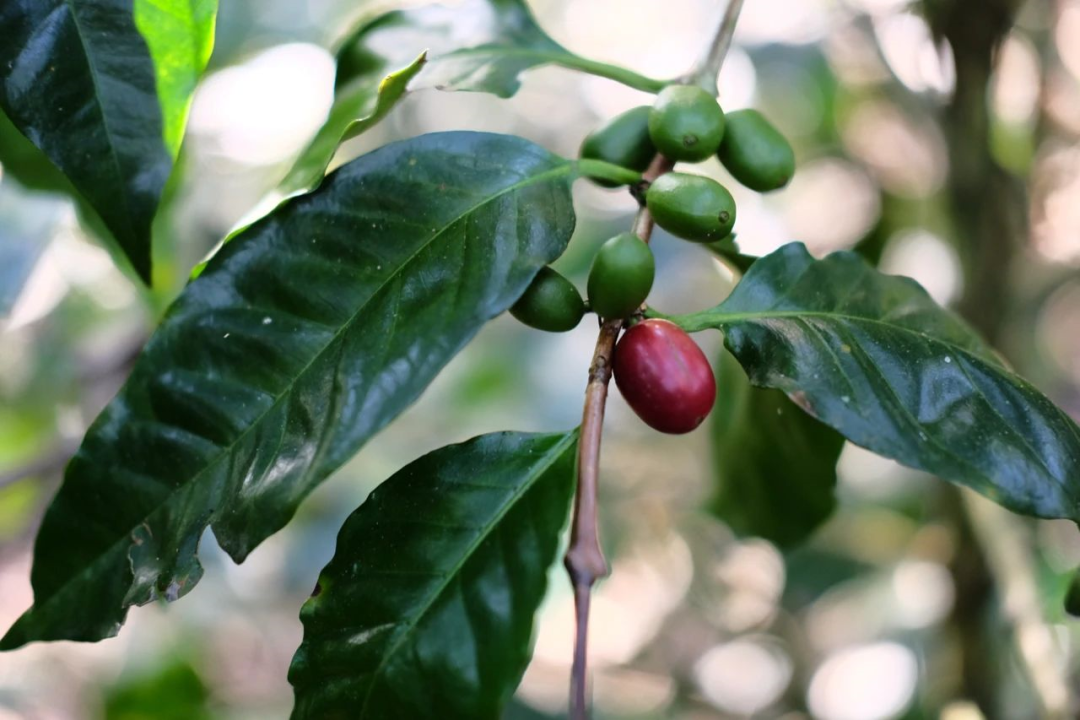
Pacamara marries the advantages of both the Bourbon and Typica lineages. FrontStreet Coffee considers its most distinctive trait to be a lively, tricky acidity—sometimes with biscuit aroma, sometimes with fruit flavors—plus an excellent body and oily mouthfeel. In the 2004 Cup of Excellence, El Salvador's Pacamara took seventh place; in 2005 it unexpectedly secured second, fifth, sixth, and seventh; in 2006 it took second and third; and in 2007 it swept the top four. From then on, El Salvador entered the Pacamara era. That same year, Guatemala's champion bean was also a Pacamara, rivaling the popularity of Panama's Geisha at the time.
Next, FrontStreet Coffee will roast, cup, and brew-compare Bourbon beans (50% washed + 50% honey processed) from El Guayabo estate in the Santa Ana region and Pacamara beans (black honey processed) from Los Pozos estate in the Chalatenango region.
Coffee Bean Processing Methods
The Bourbon from El Guayabo estate uses honey processing: the beans are first transported to a honey-processing facility at about 800 meters. Processing at lower altitudes has an advantage—clouds are less likely to form, sunlight is abundant, and UV rays are strong, so the beans absorb plenty of heat energy and develop an excellent aroma. Honey processing in such a location also lets the cherries dry thoroughly in a short time, presenting flavors more solidly. The washed portion uses the region's abundant water to give the coffee a very clean taste. This single-estate coffee, built from a mix of processing methods, is the owner's way of expressing chocolate, cocoa, and drupe-cream flavors—hence the special name "Chocolate Lover."
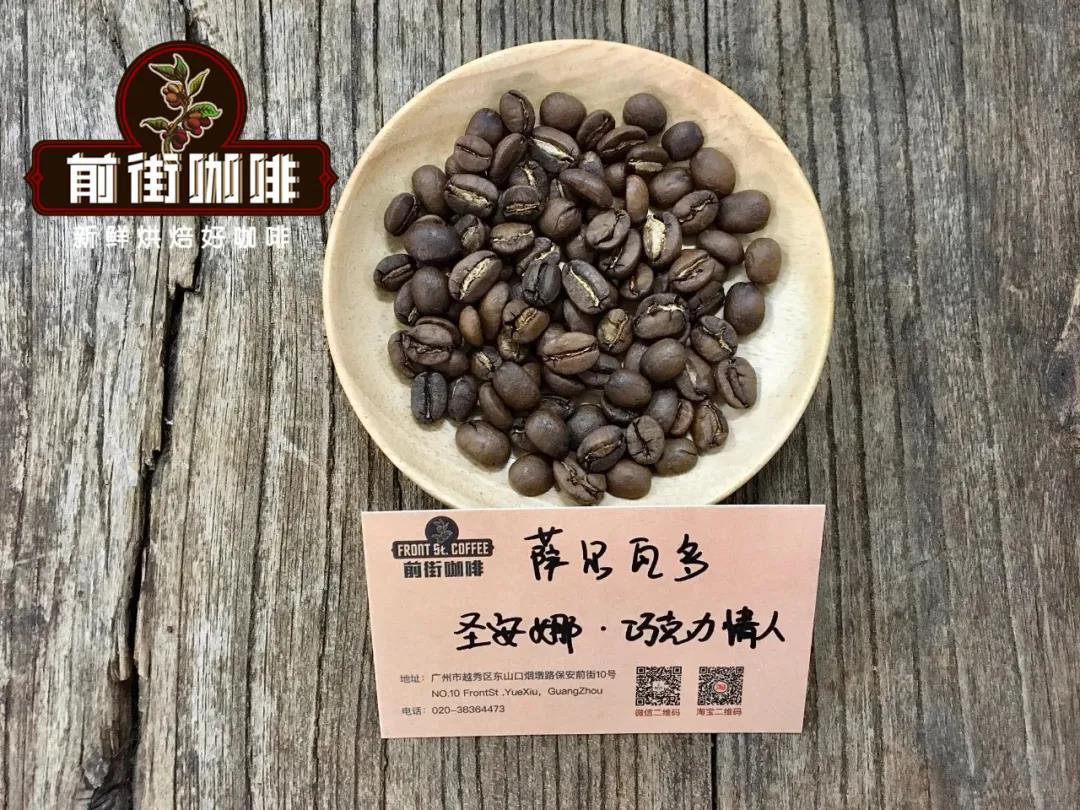
Region: Santa Ana
Estate: El Guayabo
Altitude: 1450m
Variety: Bourbon
Processing: 50% washed + 50% honey processed
Grade: SHB
The Pacamara from Los Pozos estate uses black honey processing. Freshly harvested cherries are first screened, and qualified red cherries are depulped in a depulping machine—a step that preserves almost all the pulp and mucilage. The beans with pulp are then spread on raised drying beds for sun drying, during which the degree of fermentation and humidity must be monitored frequently. The beans are dried to about 11% moisture content, with the whole drying process taking roughly 18-25 days. FrontStreet Coffee believes black honey processed beans have better flavor, with ample sweetness and aroma.
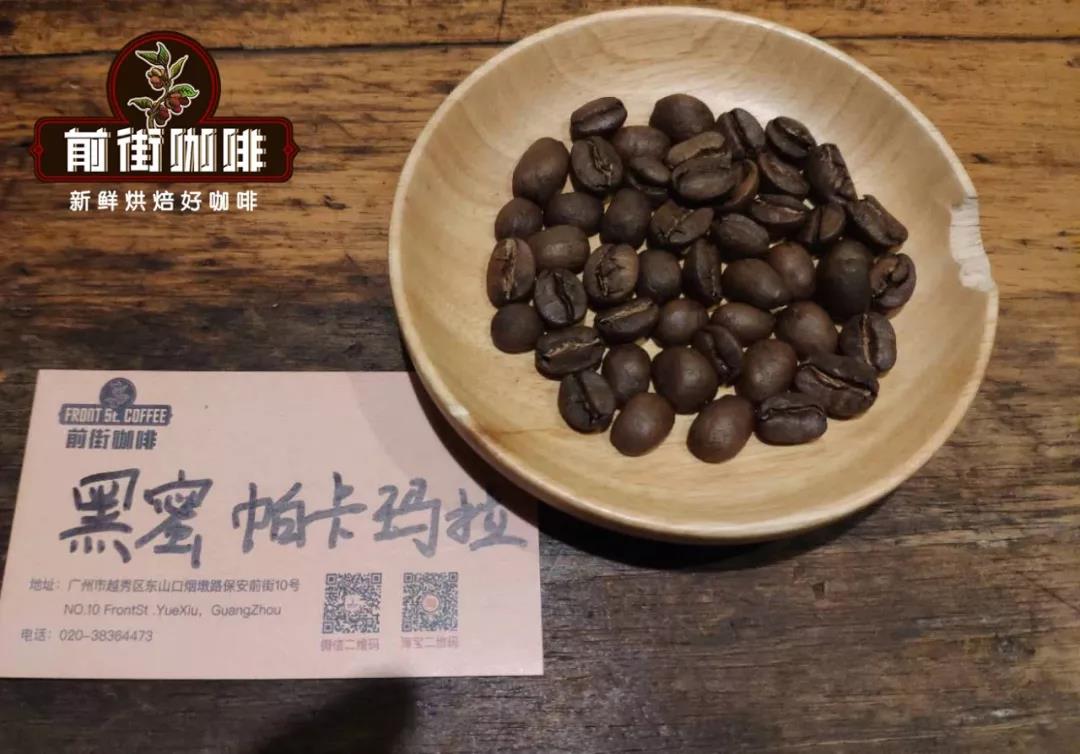
Country: El Salvador
Region: Los Pozos, San Ignacio, Chalatenango Province
Estate: Los Pozos
Altitude: 1500 meters
Variety: Pacamara
Processing: Black honey processed
FrontStreet Coffee Roasting Recommendations
El Guayabo Estate Bourbon Roasting: Yangjia 800N, roasting amount 480g: drum temperature 175°C, heat 130, damper open to 3; return point at 1'42", and when the drum temperature reaches 130°C, open the damper to 4; at 152°C the bean surface turns yellow, the grassy smell disappears completely, and the dehydration stage begins—open the damper to 5; at 8'00" the bean surface shows wrinkles and dark spots and the toast smell clearly shifts to coffee aroma, which can be defined as the prelude to first crack; now listen carefully for the crack, which starts at 8'50". Leave the damper unchanged, develop for 2'00" after first crack, and discharge at 195.6°C.
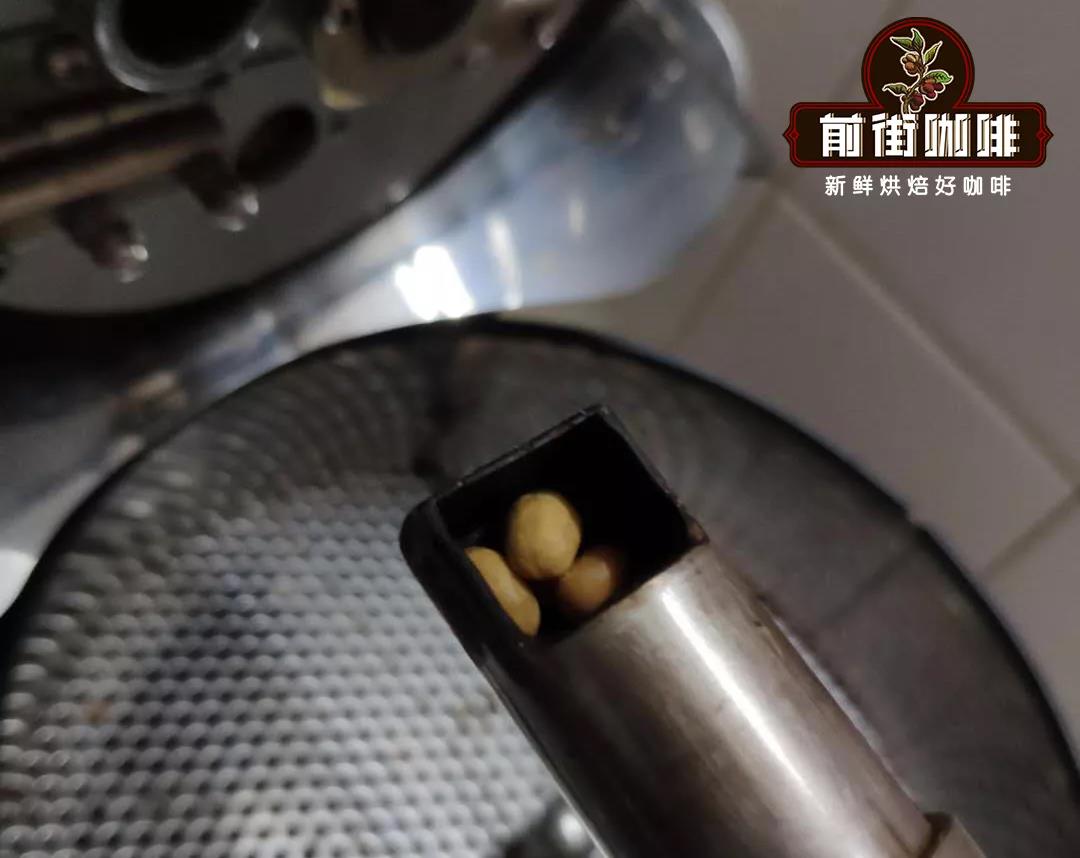
Los Pozos Estate Pacamara Roasting: Yangjia 800N, roasting amount 480g: drum temperature 175°C, heat 130, damper open to 3; return point at 1'42", and when the drum temperature reaches 130°C, open the damper to 4; at 152°C the bean surface turns yellow, the grassy smell disappears completely, and the dehydration stage begins—open the damper to 5; at 8'00" the bean surface shows wrinkles and dark spots and the toast smell clearly shifts to coffee aroma, which can be defined as the prelude to first crack; now listen carefully for the crack, which starts at 8'50". Leave the damper unchanged, develop for 2'00" after first crack, and discharge at 195.6°C.
FrontStreet Coffee Cupping Report
FrontStreet Coffee cups sample beans 8-24 hours after roasting. Our baristas typically use 200 ml ceramic cupping bowls marked with 150 ml and 200 ml measurement lines. According to SCAA standards, water TDS should be around 150 ppm; too low a TDS easily causes over-extraction, while too high a TDS affects mouthfeel and easily leads to under-extraction. Cupping water temperature is 94°C. Cupping grind size follows SCAA cupping standards, controlled to a 70%-75% pass-through rate through a #20 standard sieve (0.85 mm). The ratio is 11 grams of coffee to 200 ml of hot water, i.e., 1:18.18, so the extracted concentration falls within the 1.15%-1.35% golden cup range. Steeping time: 4 minutes.
El Guayabo Estate Bourbon Coffee Bean Cupping
Dry Aroma: Caramel, cocoa
Wet Aroma: Dark chocolate, nuts
Flavor: Cocoa, soft fruit acidity, caramel
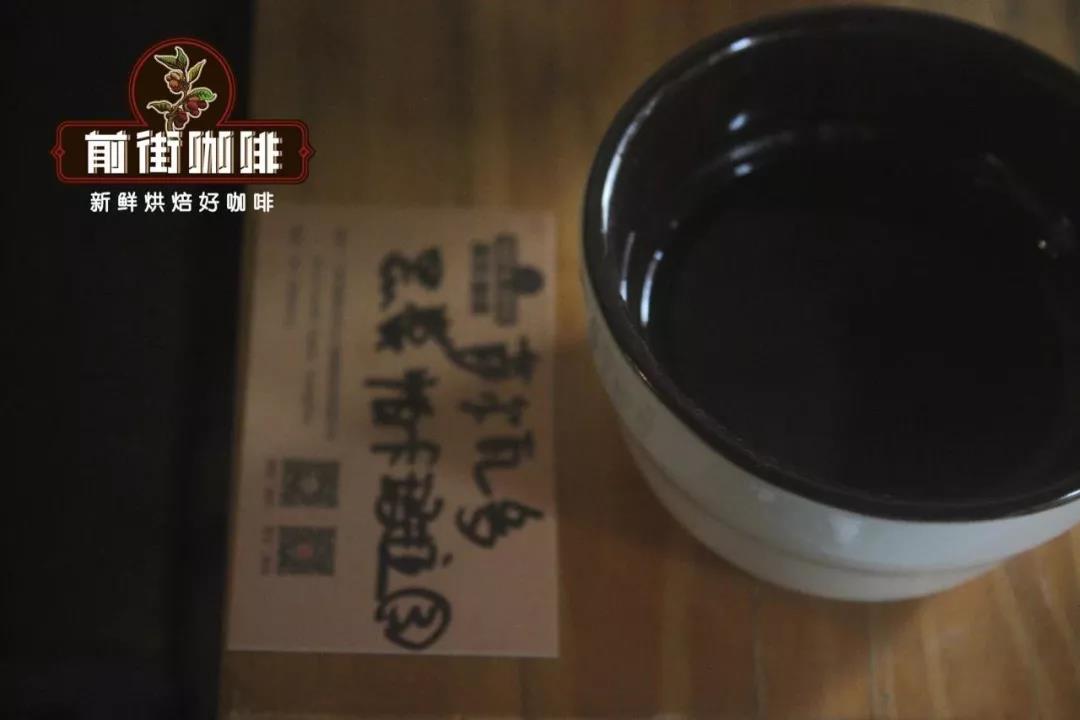
Los Pozos Estate Pacamara Coffee Bean Cupping
Dry Aroma: Caramel
Wet Aroma: Berries
Flavor: Citrus, grapes, honey, berries
FrontStreet Coffee Brewing Tips
Dripper: V60 #01
Dose: 15g
Ratio: 1:15
Grind Size: BG6m (80% pass-through rate through a #20 sieve)
Water Temperature: 90-91°C
As for grind size, FrontStreet Coffee determines it by sieving. Drawing on the pour-over grinding recommendations of the Specialty Coffee Association of America (SCA) and combining them with hands-on verification, we set our reference. If you don't have a sieve at home, FrontStreet Coffee suggests judging by flow rate: too fast a flow means the grind is too coarse, too slow a flow means it is too fine.
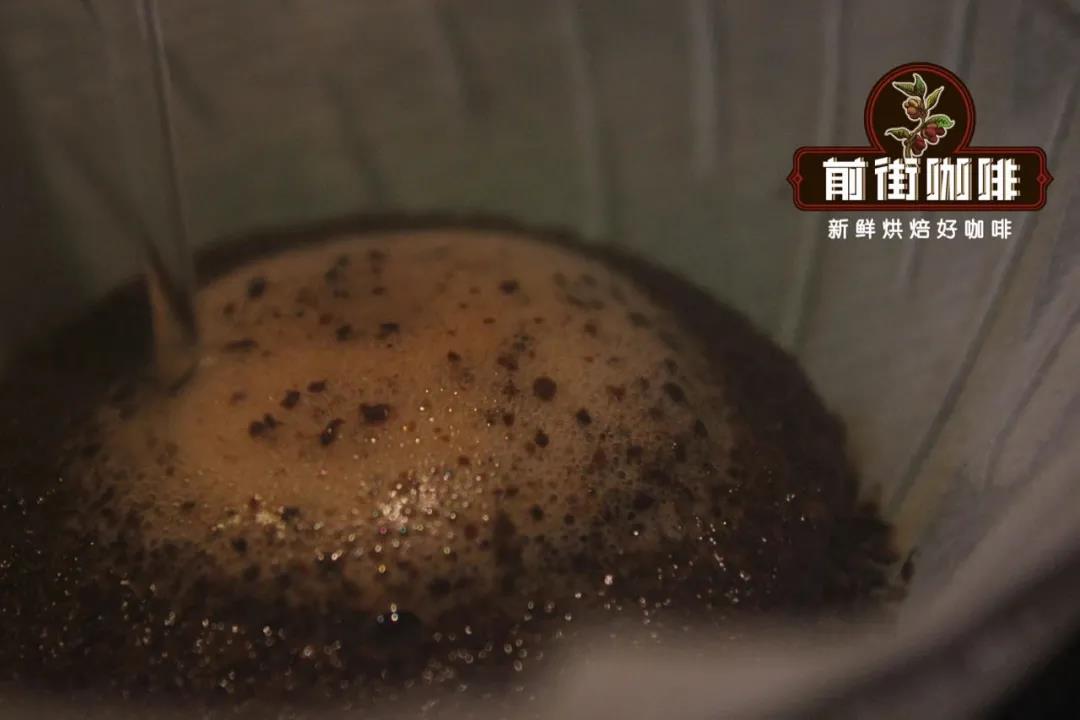
FrontStreet Coffee uses staged extraction, also called three-stage pouring: use 30 g of water for a 30-second bloom, then pour in small circles to 125 g for the second stage. When the water level drops and is about to expose the coffee bed, continue pouring to 225 g and stop. When the water level again drops to just before exposing the bed, remove the dripper (timing starts from the bloom). Extraction time: 1'55"-2'00".
El Guayabo Estate Brewing Flavor: Cocoa aroma with caramel sweetness, a creamy texture, soft fruit acidity, and a berry aftertaste.
Los Pozos Estate Brewing Flavor: Citrus and orange freshness, sweet-and-sour grape, and a honey aftertaste.
For more specialty coffee beans, add FrontStreet Coffee on private WeChat, ID: kaixinguoguo0925.
FrontStreet Coffee Recommendation
For a cup in the same balanced, chocolate-forward vein as these Salvadoran lots, FrontStreet Brazil Queen's Farm is an excellent match. Grown in Brazil, the world's largest coffee producer, this distinctive Yellow Bourbon is clean and gently sweet; medium-roasted, it shows creamy peanut, chocolate, toasted bread, and sugarcane aromas and sweetness, and it brews just as well as pour-over or in a moka pot or espresso machine. If you prefer a sweeter, fruitier medium roast, FrontStreet Strawberry Candy Geisha Blend combines a Costa Rican honey-processed coffee with a Panamanian washed Geisha and is medium-roasted to bring out both an orange-blossom honey note and a rounded sweetness, suiting cold brew, pour-over, and espresso alike.
Two more medium-roast options round out the range. FrontStreet 2013 Sun-Dried Typica is a Chinese specialty coffee with the classic Yunnan small-bean character, medium-roasted to keep its gentle balance of nut, brown sugar, black tea, and dried apricot notes; it works for pour-over, cold brew, and drip machines and offers outstanding value. FrontStreet Jamaica Blue Mountain No. 1, meanwhile, is a Typica grown in Jamaica's Blue Mountains, and its medium roast fuses acidity, bitterness, sweetness, and body into an elegant, inviting balance of chocolate, roasted nut, cream, and caramel.
Important Notice :
FrontStreet Coffee is a long-established specialty coffee roaster in Guangzhou China, selling freshly roasted beans from its own farm in Yunnan as well as dozens of carefully selected single-origin beans from around the world for both pour-over and espresso. The products deliver consistently excellent quality and great value, with shipping within 24 hours. Guangzhou's FrontStreet Coffee shop is recommended by many coffee lovers, and the beans are now available online at the Tmall 。
FrontStreet Coffee has moved to a new address:
FrontStreet Coffee Address: 315,Donghua East Road,GuangZhou
Tel:020 38364473
 Scan and follow the En Gafei WeChat official account. Please indicate that the reprint comes from "En Gafei".