Geisha Coffee Flavor Profile - Introduction to Panama Elida Geisha Coffee Bean Taste Characteristics
In the world of specialty coffee, most varieties are Arabica, and among them Geisha is widely recognized as the most noble. At FrontStreet Coffee we often introduce customers to what makes Geisha unique. Within a single producing region, washed processing tends to define the main flavor profile, while natural processing adds aroma on top of that washed base. For Blue Mountain we recommend washed; for aromatic beans we recommend natural, and Geisha is a prime example. It is also a coffee that stays on FrontStreet Coffee's bean list year after year.
The Origin of Geisha Coffee
Geisha coffee beans share their name with the Japanese word geisha, but they do not come from Japan. The name comes from the Gesha forest in Ethiopia where they grow, which happens to sound like the traditional Japanese word.
The Geisha variety was discovered in the Gesha forest of Ethiopia in 1931 and then sent to the Coffee Research Institute in Kenya. In 1936 it was introduced to Uganda and Tanzania, and Costa Rica brought it in 1953. Panama began growing Geisha in the 1970s, when Francisco Serracin of the Tumba Estate obtained seeds from CATIE in Costa Rica.

Although the bean's original home is Gesha Mountain in southwestern Ethiopia, after it was introduced to Panama it was not popular among farmers because of its low yield. Only when Panama's La Esmeralda estate made the bean shine at the 2004 Panama cupping competition did Geisha's reputation spread far and wide. Another factor is that Geisha yields relatively little, so when people equate price with quality, Geisha quickly became a legend.
Characteristics of Geisha Coffee
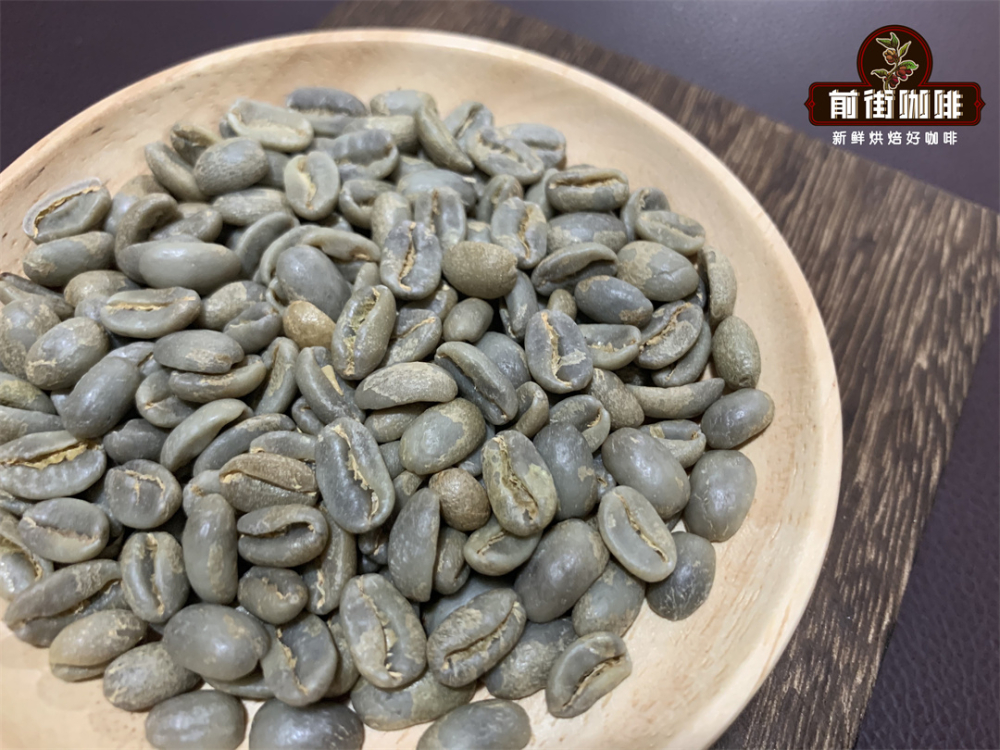
Geisha coffee beans have a beautiful blue-green color, typically referring to washed beans with a jade-like warmth. The beans are elongated and carry a fragrance of fresh grass, peaches and berries, along with the unique milky sweetness of oolong tea that most coffee beans lack. Aroma and flavor often call for a little imagination, but the subtle tea note is something we can perceive clearly.
Some say Yirgacheffe coffee tastes similar to Geisha, but the charm within Yirgacheffe is not as rich as Geisha's. Geisha has its own unique flavor characteristics: clear floral notes and a bright, clean citrus acidity. Geisha from different regions has its own distinctive flavors, and those differences may come from growing location or processing method.
Since Geisha shows different flavor expressions, FrontStreet Coffee explores several Panamanian Geisha coffees below.

Panamanian Geisha
Elida Estate is located in the town of Boquete, a renowned coffee-producing region in Panama. Elida sits at high altitude, with part of it even inside the Volcan Baru National Park reserve. Baru is one of the highest volcanoes in Central America and Panama's only volcanic terrain. With an excellent growing environment at about 1670-1825 meters, Elida mainly cultivates three varieties: Catuai, Geisha and Crillo.
The Geisha Green Tip Natural grown at Elida Estate won the Geisha Washed category championship at the 2016 Best of Panama (BOP) auction. International judges gave it an incredible score of 94.15, setting the highest score in BOP history, and the lot also set a record for the highest price ever paid for Geisha Washed beans at BOP, selling at about NT$9,000 per pound. The 2016 Japan Barista Champion also used coffee beans from Elida Estate to win the title.
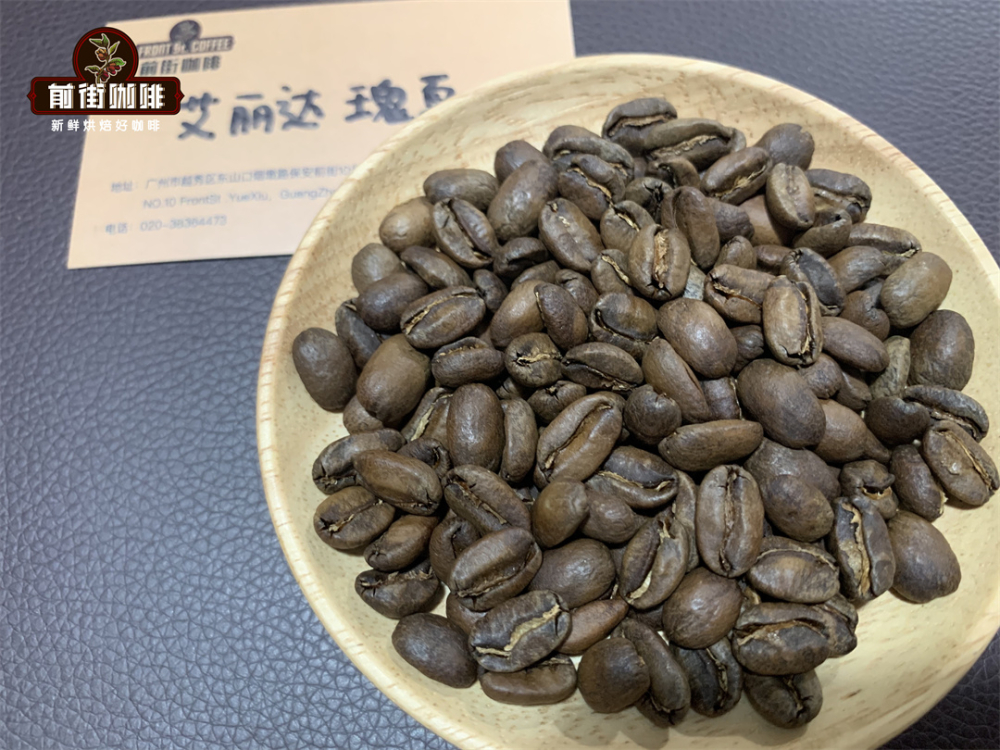
FrontStreet Coffee Panama Elida Estate
Country: Panama
Region: Boquete
Altitude: 1850M
Processing method: washed
Variety: Geisha
Flavor description: citrus, honey, berries, green tea, with a round and smooth mouthfeel.

FrontStreet Coffee Panama Sophia Estate
Country: Panama
Region: Baru Volcano region
Altitude: 1900-2100
Processing method: natural
Variety: Geisha
Sophia Estate Geisha has an orange-like sweet and sour taste with aromas of honeydew melon and roses at the start. The middle shows an apple-juice freshness, with a finish reminiscent of oolong tea's sweet aftertaste.

FrontStreet Coffee Guaguanuo Estate
Country: Panama
Region: Chiriqui Province
Altitude: 1750m
Processing method: natural
Variety: Geisha
Guaguanuo Estate Natural Geisha flavor: the entry has the aroma and sweet-tart taste of mango and pineapple juice, the middle shows white floral notes with a malty fermentation sweetness, and the finish is like fruit candy.
FrontStreet Coffee's Brewing Recommendations
Through cupping, FrontStreet Coffee has found that Panamanian Geisha beans are richly layered, so the concentration can be reduced slightly during brewing to make each layer clearer. We recommend a brew ratio of 1:15.5-1:16, with water at 90-91°C. For grind, we suggest a medium-fine setting measured at a Chinese standard #20 sieve, 77%.

A V60 or other conical dripper works well with a three-stage circular pour. First use 30g of water to fully moisten the coffee bed into a "hamburger" shape and let it bloom for 30 seconds before starting the second stage. For the second stage, FrontStreet Coffee uses a steady medium-fine stream poured in a circle to 125g and then stops, waiting for the water level to drop to two-thirds of the bed before the third stage. The third stage continues with a medium-fine stream in a circle to 225g to complete the pour.
FrontStreet Coffee Recommendation
If Ethiopia represents the origin of coffee and Panama Geisha represents the peak of modern specialty coffee, then Blue Mountain represents the king of the classic specialty era, and it is a fitting next stop after tasting your way through the Geisha coffees above. Strictly speaking, only coffee grown in specific parts of Jamaica's Blue Mountain range and certified by the Jamaican authorities can be called Jamaica Blue Mountain Coffee. The range lies in eastern Jamaica, one of the highest in the Caribbean with a highest peak of 2256 meters, and it is cloud-covered year-round. High altitude lengthens the ripening period, fertile volcanic soil feeds the trees, and steady rainfall and a mild, stable climate let the fruit accumulate sugars and flavor compounds slowly, which is what produces Blue Mountain's famously fine texture and balance.
The supply is limited. The whole Blue Mountain region produces under 2500 tons a year, and Japan historically bought more than 70% of it, so even less reached other markets. Since 2003, Jamaica Blue Mountain green beans have been officially exported to China, so certified coffee is now available through regular channels. Provenance therefore matters: authentic Blue Mountain comes with export certification and origin documentation, and traditionally ships in 15, 45 and 70 kg wooden barrels marked with detailed lot information. FrontStreet Coffee Jamaica Blue Mountain No.1, the highest grade, comes from the long-established Clifton Estate, which has grown and processed coffee since around the mid-18th century at an average 4300 feet (1310.64 meters). It is roasted to a medium-deep level and ships fresh within 5 days of roasting, opening with nut, dark chocolate and cream-caramel notes layered over a soft sweetness, with acidity, sweetness, bitterness and aroma in harmony.
For pour-over, FrontStreet Coffee suggests a 1:15 to 1:16 ratio, water at 85-88°C and a medium-coarse grind, which highlights cream, caramel and nuts while keeping the gentle acidity and a clean, transparent body. A moka pot also works, with a slightly finer grind than pour-over, hot water in the base, medium-low heat and removal from the heat as the coffee finishes flowing, emphasizing chocolate, caramel and nuts and making an excellent latte or flat white. For a hand-poured cup, FrontStreet Coffee uses a Kono dripper with 15g of coffee rested 4-7 days, a grind around white sugar, water at 87-88°C and a 1:15 ratio, poured in three stages: 30g for a 30-second bloom, then to 120g, then to 225g with a slightly quicker final pour to avoid over-extraction.
Important Notice :
FrontStreet Coffee is a long-established specialty coffee roaster in Guangzhou China, selling freshly roasted beans from its own farm in Yunnan as well as dozens of carefully selected single-origin beans from around the world for both pour-over and espresso. The products deliver consistently excellent quality and great value, with shipping within 24 hours. Guangzhou's FrontStreet Coffee shop is recommended by many coffee lovers, and the beans are now available online at the Tmall 。
FrontStreet Coffee has moved to a new address:
FrontStreet Coffee Address: 315,Donghua East Road,GuangZhou
Tel:020 38364473
 Scan and follow the En Gafei WeChat official account. Please indicate that the reprint comes from "En Gafei".