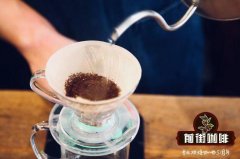
Why is Yunnan, China Famous for Producing Small-Bean Varieties? How Many Types of Yunnan Small-Bean Coffee Are There?

When mentioning Chinese coffee, Zhukula is always brought up - it is the birthplace of Chinese coffee. In 1904, French missionary Alfred Tisdale crossed mountains and rivers to arrive at Zhukula Village in Binchuan County to preach, built a Catholic church, and planted the origins of Chinese coffee in front of the church. Over a hundred years later, Zhukula coffee has become the "living fossil of coffee" on the Ancient Tea Horse Road. Zhukula still has coffee planted by Father Tian at the Catholic church in 1904. Through natural propagation, 24 century-old ancient coffee trees remain today. These flavors bear witness to the history of Chinese coffee.
This is a pilgrimage site in the hearts of many coffee lovers, but getting to Zhukula is not easy - the mountain roads are treacherous, and only during the dry season can local experienced drivers drive in. Today, Zhukula's coffee is primarily sold to the outside market through local roasted beans and products, and in recent years, Zhukula has gradually begun to receive coffee pilgrims through tourism.

Exploring Yunnan Coffee Regions
If you're visiting Yunnan coffee regions for the first time, FrontStreet Coffee recommends starting with Pu'er.
This is the largest coffee-producing area in Yunnan's coffee regions, where the procurement headquarters of internationally renowned companies like Nestlé and Starbucks are established. For first-time visitors, this is also the most accessible destination: convenient transportation, relatively developed cities, estate-style tours, coffee-themed hotels, and well-established coffee shops - all readily available. Due to the rich variety of business formats (from enthusiasts to large-scale purchasers), the needs of travelers at various levels can basically be met here. In coffee shops, it's also very easy to encounter industry experts.
Must-Visit Destinations in Pu'er
Yunnan Coffee Exchange Center: A must-visit landmark. The Yunnan Green Bean Coffee Competition takes place here, and you might even bump into former SCA President Ted Lingle around a corner. Coffee information exchange here is extremely fast, so be sure to leave at least one morning for your itinerary here to quickly build a conceptual framework of Yunnan coffee for yourself.

Nestlé Coffee Center: This 30,000-square-meter green bean inspection and storage center, opened in 2016, is well worth visiting (if someone can take you inside, don't miss it). You can see Nestlé's green bean inspection process through glass walls, two rows of Probat sample roasters, cupping tables worth over 100,000 yuan each, and meticulous detail management - well worth learning from and visiting for roasters.
Baoshan: The Heritage Coffee Region
Large-scale coffee cultivation in Baoshan began in 1955 in the Lujiangba area. With a long history of cultivation, there are many stories here. Early specialty coffee professionals looking for Yunnan specialty coffee would come to this area. Cooperative estates for Japanese, Taiwanese, and China's earliest specialty coffee companies all found their coffee beans here.
In Baoshan, coffee fields are right outside your door. Unlike in Pu'er where you need to drive dozens of kilometers to see coffee due to urbanization, when staying in Lujiangba, coffee fields are just a few steps away. The trees planted in front of and behind farmhouses are also coffee trees. In addition to local Yunnan people, a group of Taiwanese friends came here because of coffee and later settled in Yunnan. The culture of small, refined coffee estates is easier to find here.
However, Baoshan is more like a secluded farming community, with more focus on repeat purchases from regular customers. The degree of commercial concentration is not as high as in Pu'er, so if you have introductions from acquaintances in Baoshan, you'll find it easier to buy good beans. Old varieties like Bourbon and Typica can also be concentrated in this area. Fan Qizuo, a coffee farmer who persists here, is one of the representative farmers in this region. He is also a respected elder known by many who grow and purchase specialty coffee, and his coffee appears in the product lines of multiple domestic specialty coffee brands.
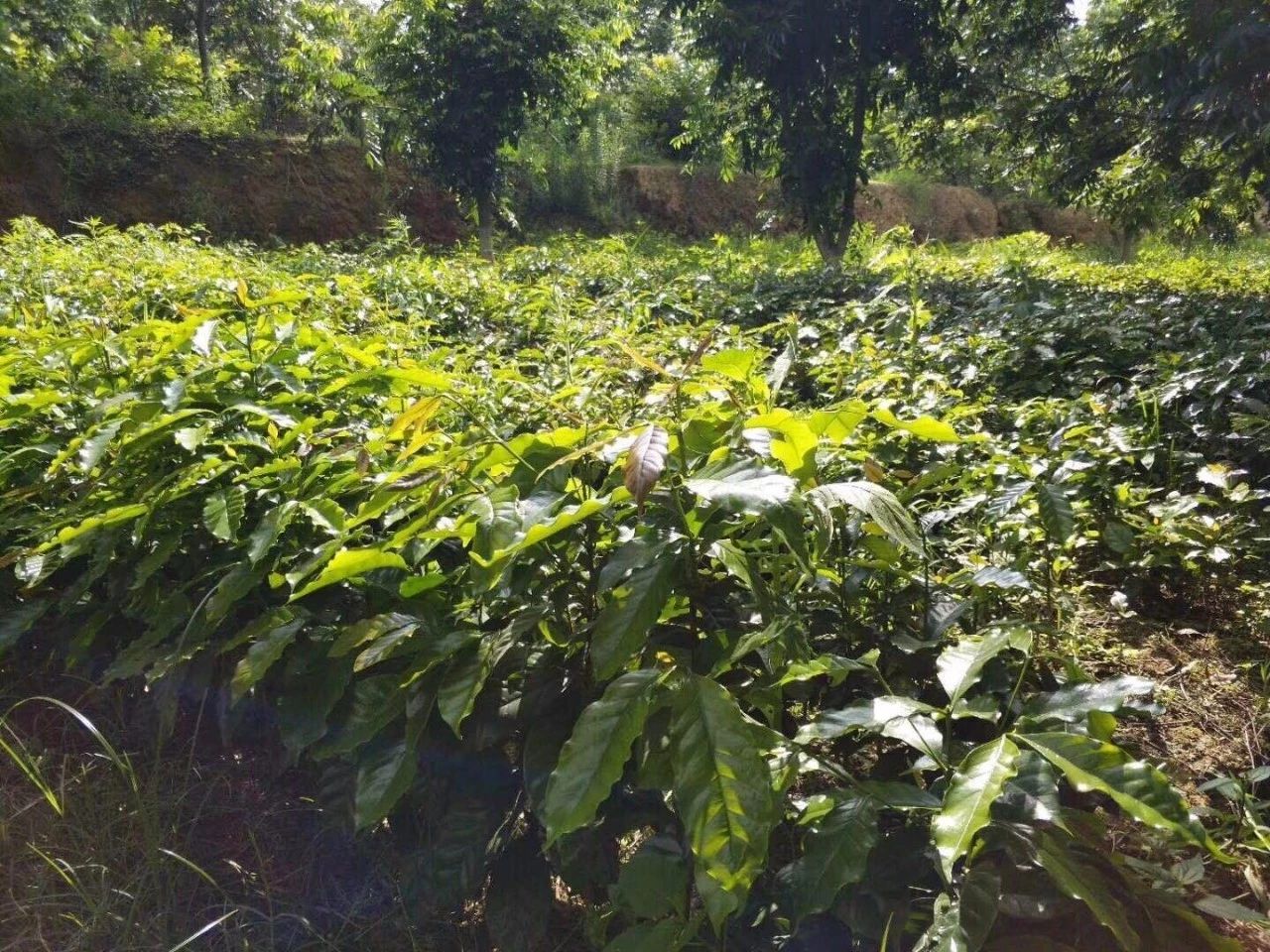
Origins of Yunnan Coffee
Yunnan small-grain coffee can be traced back to 1904, when French missionary Alfred Tisdale brought coffee seeds (Typica) from Vietnam to Yunnan and successfully planted them in Zhugula Village, Binchuan County, Yunnan Province. This was the beginning of Yunnan coffee, generally called small-grain coffee, domestically known as Yunnan small-grain coffee. Small-grain coffee refers to Arabica coffee beans. Because the coffee beans are small in size, they are also called small-fruit coffee. Robusta coffee is called medium-fruit coffee, and Liberica belongs to large-fruit coffee. Yunnan grows Arabica coffee, so it's also called Yunnan small-grain coffee.
Typica Small-Grain Coffee
Yunnan's small-grain coffee is mainly Typica. Because Typica has poor disease resistance and is susceptible to leaf rust, its growth conditions must be constantly monitored, and every leaf must be carefully nurtured. Due to Typica's low yield, another variety was added to Yunnan's small-grain coffee: Catimor.
Catimor is a combination of Arabica and Robusta species. Robusta has good leaf rust resistance, rich oils, high yield, and is easy to cultivate. After hybridization with Arabica Typica, Catimor has 25% Robusta genes. It improved leaf rust resistance, retained rich oils, and also inherited some of the rich flavors of the original Typica variety. Most Yunnan estates therefore began large-scale cultivation of Catimor, and the cultivation range of Typica began to shrink.

Catimor Small-Grain Coffee
Currently, the main coffee varieties cultivated in Yunnan include Catimor, Typica, Bourbon, Caturra, Catuai, and others. However, almost all that can be found on the market is Catimor. So today, Yunnan small-grain coffee refers to Yunnan Catimor.
In 1959, the Portuguese brought the Bourbon mutant Caturra from Brazil to East Timor and crossbred it with Timor Hybrid, which has Robusta lineage, successfully cultivating Catimor with super disease resistance and productivity. As leaf rust disasters affected coffee-producing countries worldwide, with the assistance of international organizations, various producing countries vigorously promoted Catimor to resist leaf rust and increase productivity.
Small-grain coffee is suitable for growing on mountain slopes at altitudes of 800~1800 meters. If the altitude is too high, the taste becomes sour; if too low, it becomes bitter. Most small-grain coffee is planted in dry-hot valley areas at around 1100 meters altitude, so it has moderate acidity, rich fragrance, and mellow smoothness. Many areas in Yunnan have unique environments suitable for growing small-grain coffee, producing high-quality small-grain coffee.
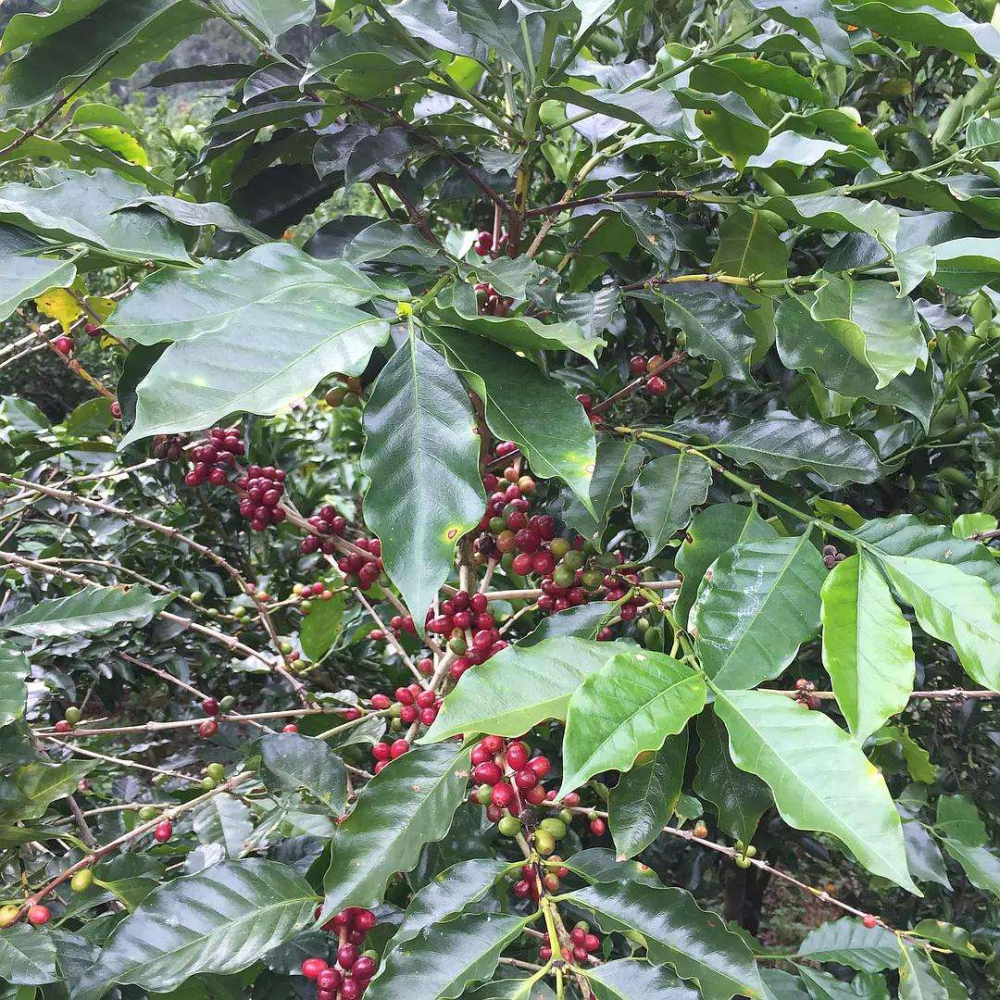
Yunnan Coffee Bean Processing Methods
Due to the perennial rainy season and unstable climate, most Yunnan coffee beans are processed using the washed method. After harvesting, people either send the berries directly to the pulp collector (in cases where harvesting work is done well) or concentrate them in a siphon tank filled with water. The berries are cleaned and separated in this tank. Stones sink to the bottom of the tank and are manually removed when the tank is emptied. Lighter berries float on the water surface and are removed along with leaves and small branches using a strainer. Berries suspended in the water are then recovered with a siphon and transported to the pulp collector.
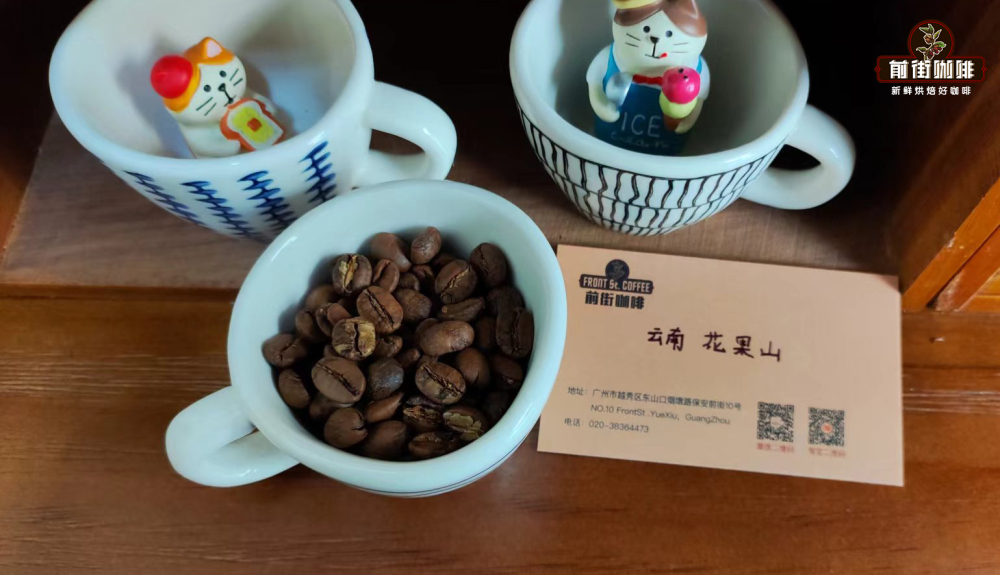
FrontStreet Coffee: Yunnan Huaguoshan Coffee Beans
Origin: Baoshan, Yunnan, China
Altitude: 1200m
Processing Method: Washed
Variety: Typica
FrontStreet Coffee Cupping Results
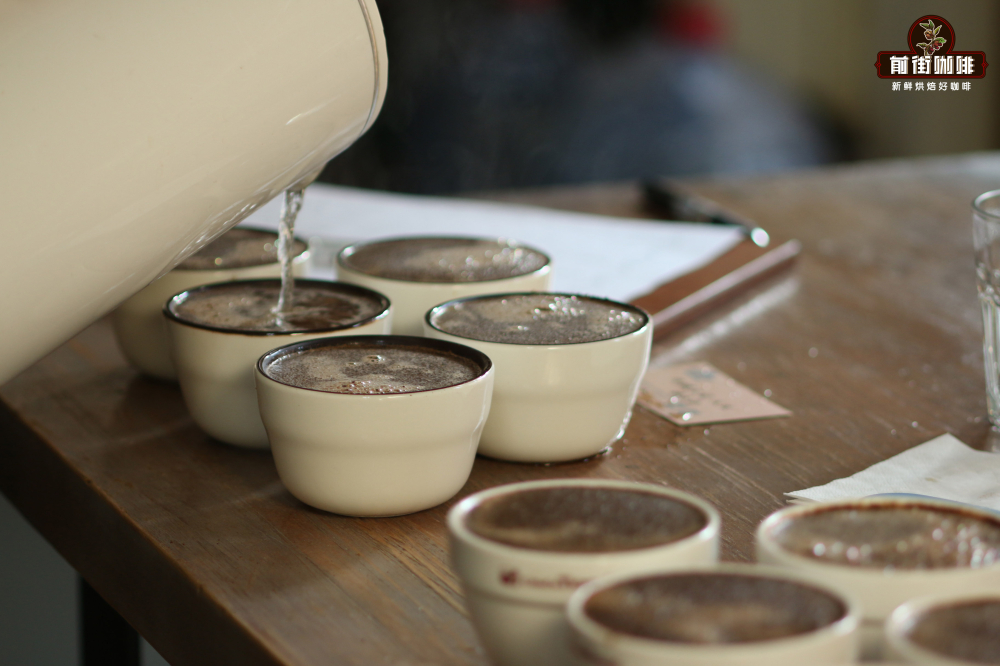
Cupping 12 hours after roasting: Rich fruit aroma on entry, with melon and herbal plant notes. Smooth entry, with nuts and milk chocolate in the mid-section, and lively, bright plum acidity in the finish. Good balance, medium body with fullness. From hot to warm temperatures, you can experience layers of sweet and sour - first sweet then sour, with apricot and citrus-toned acidity. The aftertaste is black tea with hints of brown sugar.
FrontStreet Coffee Brewing Recommendations
Dripper: V60
Dose: 15g
Water Temperature: 90°C
Grind Size: 80% pass-through rate on #20 standard sieve
Water-to-Coffee Ratio: 1:15

Brewing Method: 30g water for bloom, bloom time 30s. First pour to 125g, then stop. Vertical water flow, small flow slow circular motion; second pour to 225g, with slightly faster water flow and circular speed to reduce fine particles clogging the dripper, causing over-extraction. (Timing starts from bloom) Extraction time is 2 minutes.
Flavor Description: Rich but not bitter, fragrant but not intense. Floral notes, with sweet melon in the mid-section and a black tea sensation in the finish.
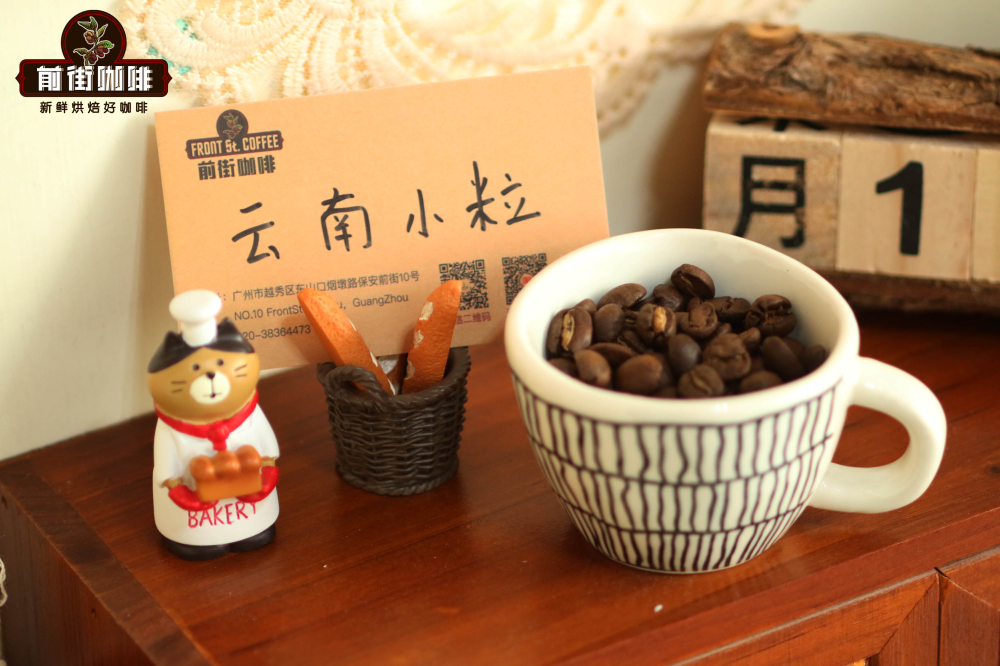
FrontStreet Coffee: Yunnan Small-Grain Coffee Beans
Origin: Baoshan, Yunnan, China
Altitude: 1200m
Processing Method: Washed
Variety: Catimor
FrontStreet Coffee Cupping Results
Smooth entry with Asian herbal plant aroma. Lively and bright acidity, soft acidity with a good balance of richness and body. Rich layers, with distinct black chocolate, honey, and sucrose notes in the aftertaste. Brown sugar flavors when completely cooled.
FrontStreet Coffee Brewing Recommendations
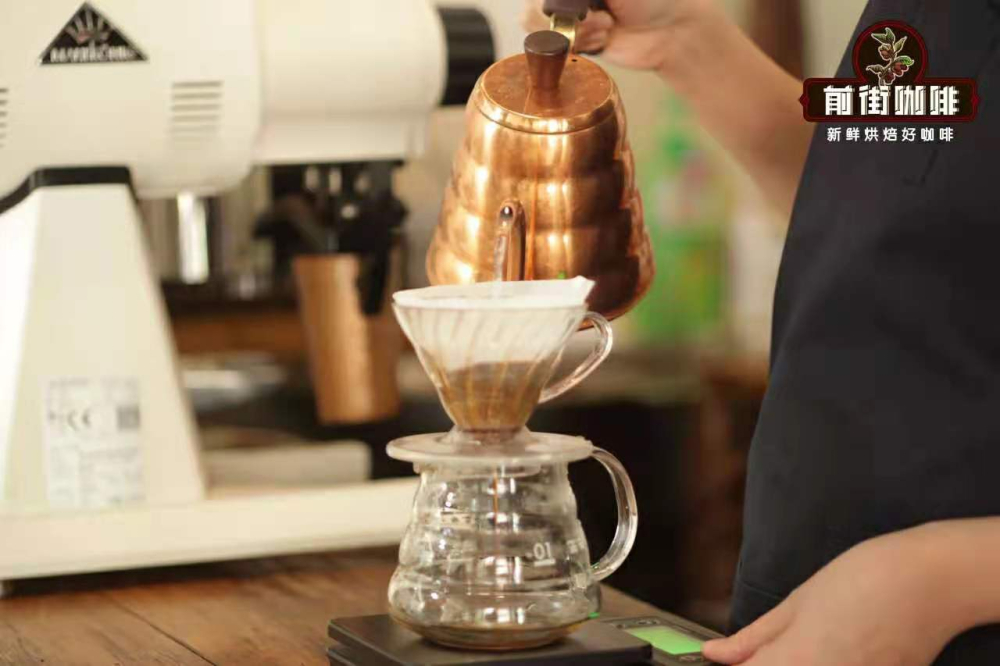
Dripper: V60
Dose: 15g
Water Temperature: 90°C
Grind Size: 80% pass-through rate on #20 standard sieve
Water-to-Coffee Ratio: 1:15
Brewing Method: Bloom with 30g water for 30 seconds. Pour in a small circular motion to 125g for segmented brewing. When the water level drops and is about to expose the coffee bed, continue pouring to 225g and stop. When the water level drops and is about to expose the coffee bed, remove the dripper. (Timing starts from bloom) Extraction time is 2 minutes.
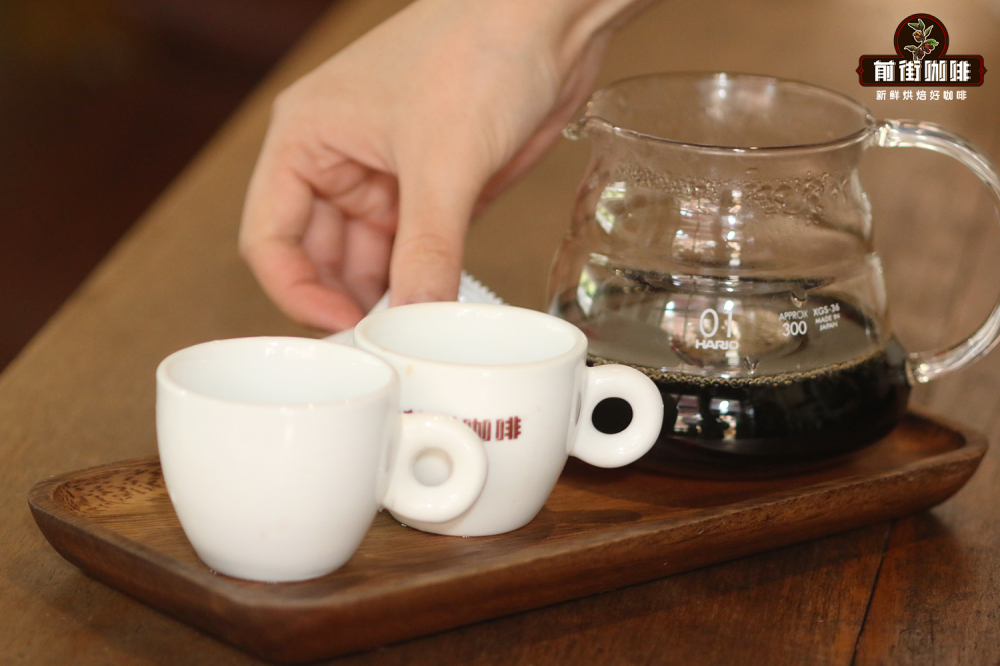
Flavor Description: Aroma of rich nuts, with herbal, chocolate, and caramel notes on entry, and a light fruity acidity in the aftertaste.
FrontStreet Coffee Recommendation
Yunnan's story, from Zhukula's century-old trees to today's Catimor estates, is best tasted through FrontStreet Coffee's Chinese single origins. The FrontStreet Yunnan Small Bean is washed and medium roasted, offering soft nuts, chocolate sweetness, and a light plum acidity that makes it an inviting first Yunnan cup. For a clearer, more estate-driven expression, the FrontStreet 2013 Sun-Dried Typica brings dark berries, caramel, chocolate, and a hint of dried apricot, while the FrontStreet Black Cocoa blend pairs Yunnan small bean with Brazil Cerrado for a balanced, nutty espresso.
Important Notice :
FrontStreet Coffee is a long-established specialty coffee roaster in Guangzhou China, selling freshly roasted beans from its own farm in Yunnan as well as dozens of carefully selected single-origin beans from around the world for both pour-over and espresso. The products deliver consistently excellent quality and great value, with shipping within 24 hours. Guangzhou's FrontStreet Coffee shop is recommended by many coffee lovers, and the beans are now available online at the Tmall 。
FrontStreet Coffee has moved to a new address:
FrontStreet Coffee Address: 315,Donghua East Road,GuangZhou
Tel:020 38364473
 Scan and follow the En Gafei WeChat official account. Please indicate that the reprint comes from "En Gafei".