How Significant Are the Flavor Differences Between Light Roast and Medium Roast Geisha? What Roast Level Is Best for Geisha?

Most of the time, Geisha coffee beans are never roasted dark, and FrontStreet Coffee was curious why. What would happen if we roasted Geisha a bit darker? So we decided to run an experiment, roasting one batch of Geisha darker than our usual production and comparing the two!
For this experiment, FrontStreet Coffee chose Panama La Esmeralda Green Label Geisha.

FrontStreet Coffee: La Esmeralda Green Label Geisha Coffee Beans
Country: Panama
Region: Boquete
Estate: La Esmeralda
Altitude: 1600-1800 meters
Processing Method: Washed
Variety: Geisha
Roasting Comparison
Our team roasted two different profiles — one following our regular production curve, and the other roasted slightly darker.
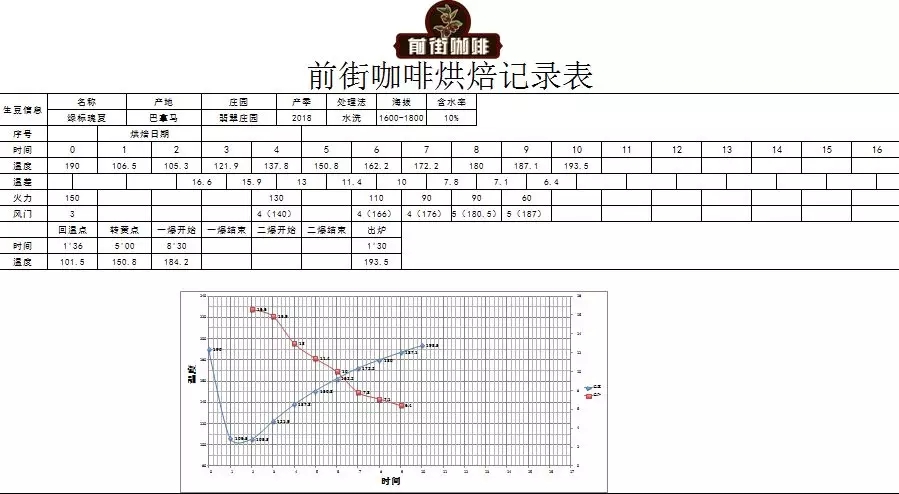
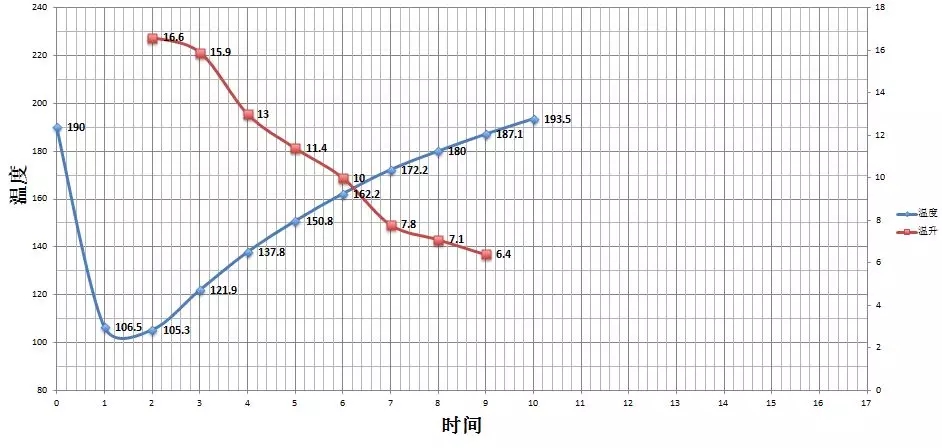
Profile One
Yellowing point at 5 minutes, first crack began at 8:30 at 184.2°C, with 1:30 of development before dropping at 193.5°C. SCAA roast color value: 66.2 (light-medium roast).

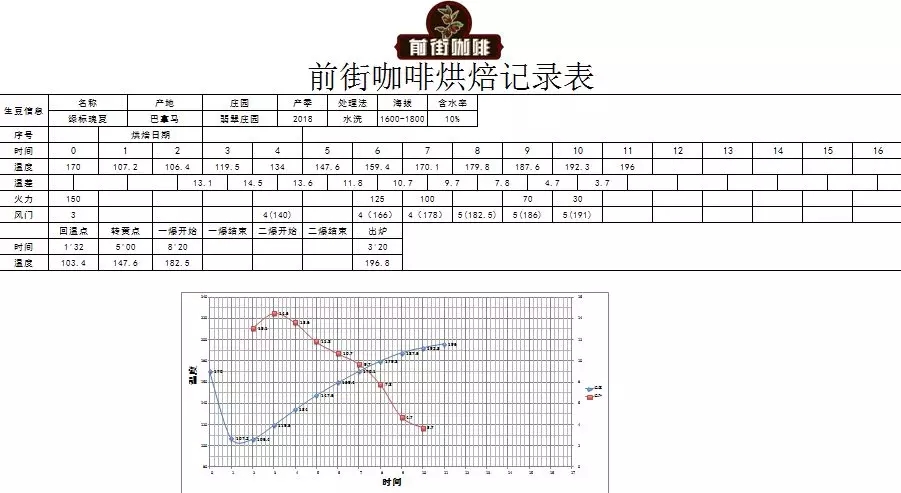
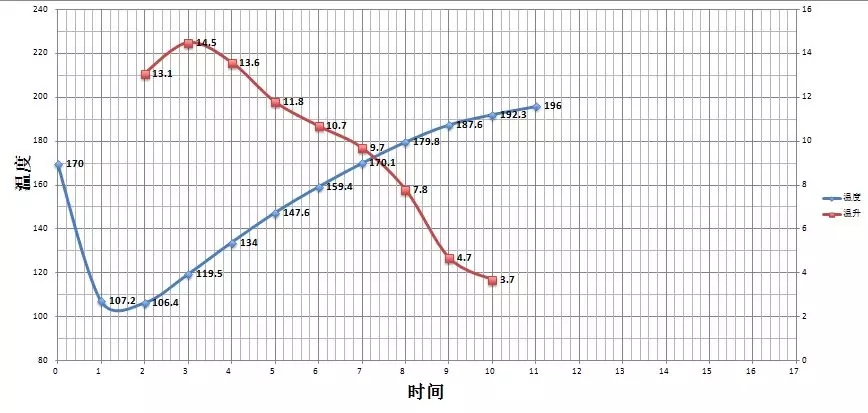
Profile Two
Yellowing point at 5 minutes, first crack began at 8:20 at 182.5°C, with 3:20 of development before dropping at 196.8°C. SCAA roast color value: 52.4 (medium-dark roast).
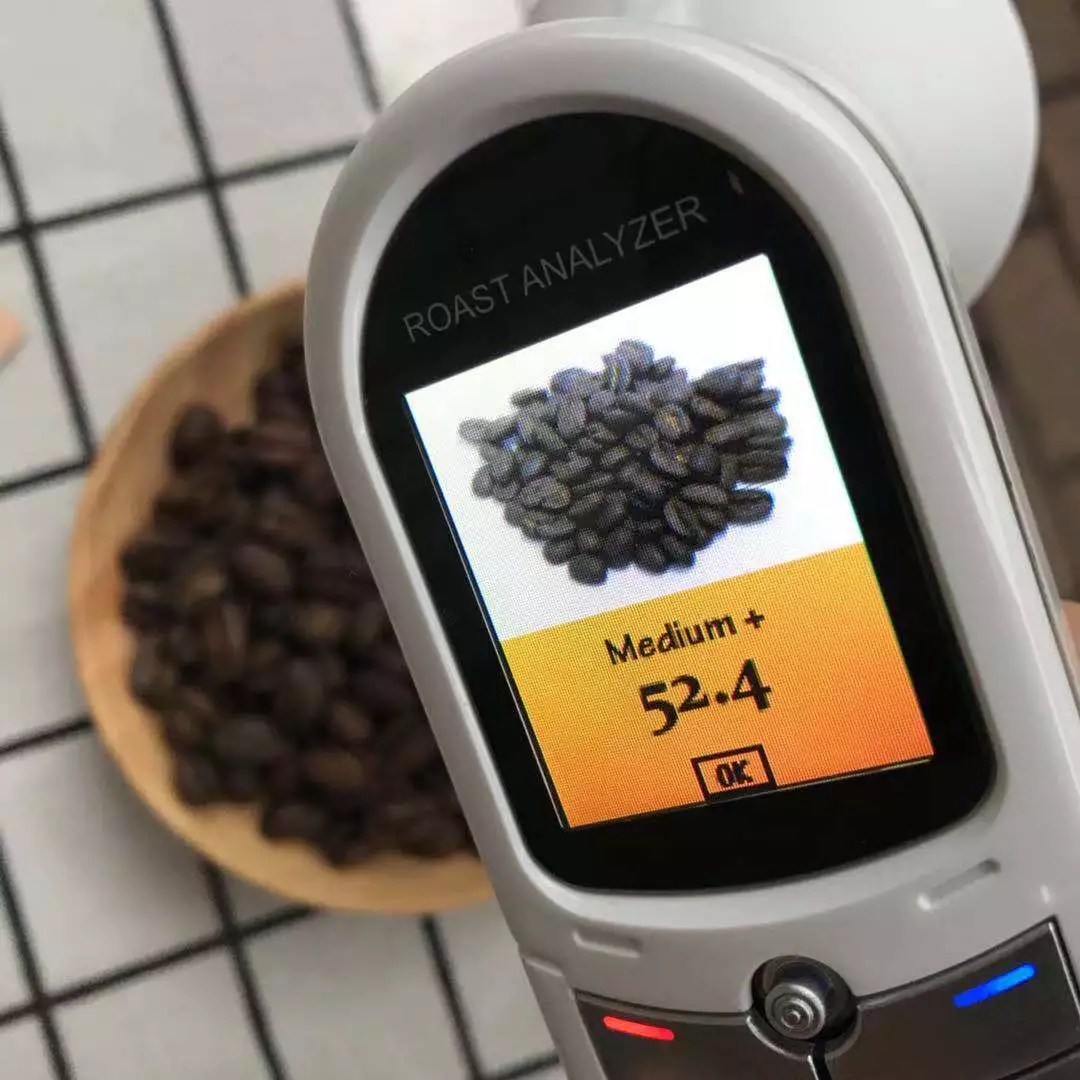
From the appearance of the roasted beans, the light roast shows a more wrinkled surface with more silver skin, while the medium-dark roast looks rounder and smoother with relatively less silver skin.
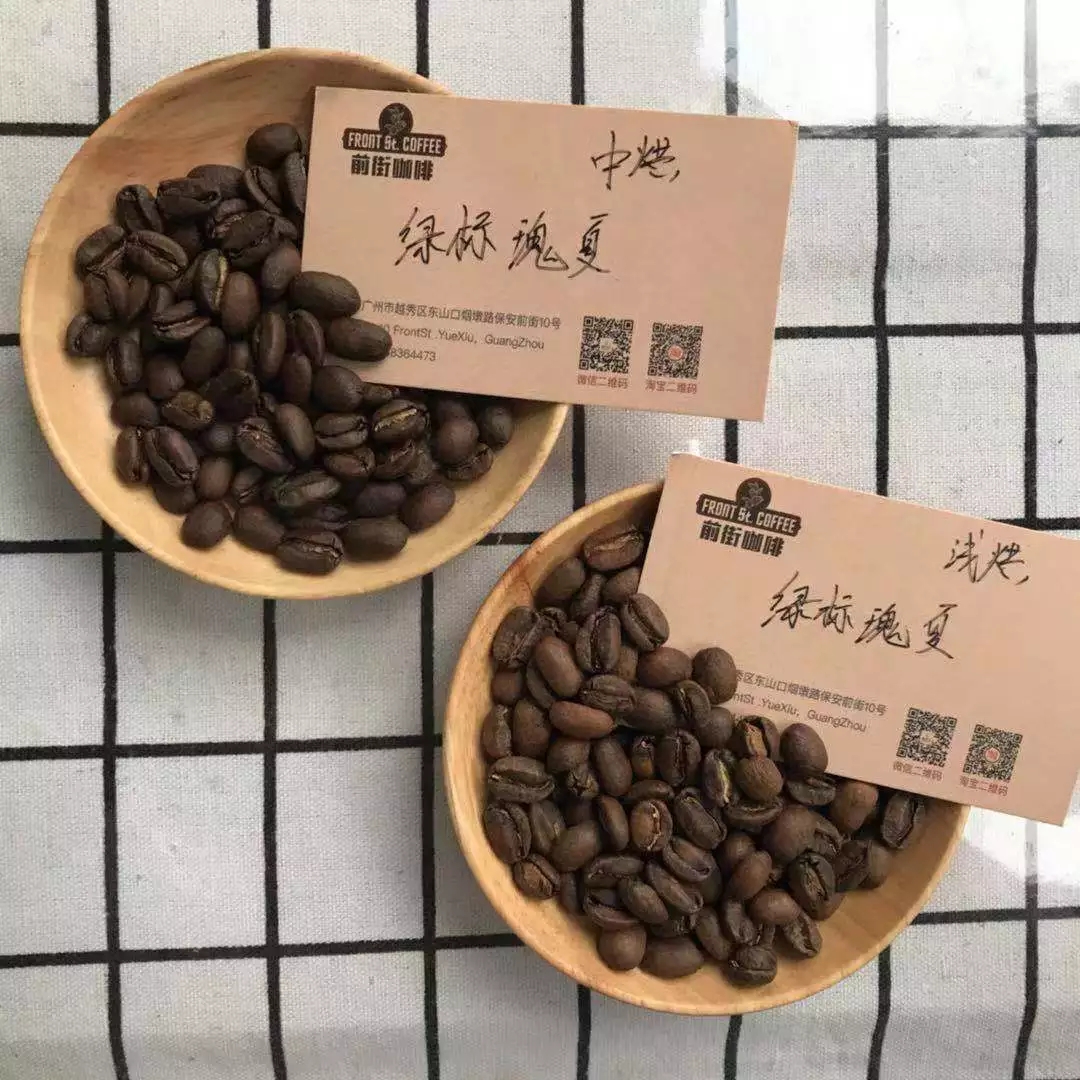
Flavor Comparison
We ran both cupping and pour-over brewing to see how the flavors would differ.

Cupping
Profile One: Bright citrus and lime acidity, with distinct jasmine and chamomile florals, followed by cream and cane sugar sweetness with green tea notes in the finish.
Profile Two: Noticeably sweet, with flavors of caramel, chocolate, bergamot, and sweet orange.
Pour-over Brewing
Profile One

Parameters: 15g coffee, 1:15 coffee-to-water ratio, 90°C water temperature, BG 5R grind size (58% retention on a China standard #20 sieve), extraction time 1'55" (timed from the start of the bloom).
Technique: 35g of water for a 30-second bloom, then a small stream poured in circles to 124g for segmentation. Wait for the water level to drop until the coffee bed is just about to be exposed, then continue pouring to 225g. Remove the dripper once the level drops and the bed is about to surface.
Distinct chamomile and jasmine florals with bright fruit acidity. The first sip reveals sweet-tart notes of lemon, citrus, and bergamot, followed by honey and maple sweetness in the mid-palate, finishing with fresh green tea aroma and a lasting cane-sugar aftertaste. Overall refreshing and clean.
Profile Two

Parameters: 15g coffee, 1:15 coffee-to-water ratio, 88°C water temperature, BG 5R grind size (58% retention on a China standard #20 sieve), extraction time 1'50" (timed from the start of the bloom).
Technique: 34g of water for a 30-second bloom, then a small stream poured in circles to 120g for segmentation. Wait for the water level to drop until the coffee bed is just about to be exposed, then continue pouring to 227g. Remove the dripper once the level drops and the bed is about to surface.
The first sip reveals distinct caramel and chocolate sweetness with an oolong tea aroma. As the cup cools slightly, gentle notes of orange and bergamot acidity surface in the finish. The overall mouthfeel is rich and smooth.
Conclusion

After comparing the two roast levels, FrontStreet Coffee finds that the lighter-roast Geisha shows more pronounced aromatics and richer flavor layers, presenting an overall refreshing profile. The medium-dark Geisha offers a richer mouthfeel with more noticeable sweetness, while its fruit acidity turns gentler.
The medium-dark Geisha doesn't taste bad — but the Geisha variety naturally possesses abundant floral and fruit aromas, and when roasted darker with a longer development time, many of those unique flavors diminish, leaving a more balanced profile dominated by sweetness. To preserve Geisha's signature florals and fruit, FrontStreet Coffee therefore chooses to shorten the development time, retaining more of those notes and letting the variety's characteristic flavors shine.
FrontStreet Coffee Recommendation
Geisha's allure lies in its distinctive florals and exquisite sweet-tart character, but low yields, weak disease resistance, and demanding cultivation keep prices high — so it helps to know the tiers before buying. Panama is where Geisha made its name: in 2003, Hacienda La Esmeralda's beans stunned the Best of Panama judges with an average cupping score of 94.6, breaking the competition's record. FrontStreet's Esmeralda Red Label (Esmeralda Special) grows at 1600-1800 meters with every batch cupping above 90 points, each lot from a single plot; the Green Label (Private Collection) blends high-altitude batches from multiple plots and offers the best value among the labels, while the entry-level FrontStreet Boquet Geisha delivers the classic orange-blossom honey sweetness, oolong-tea texture, and delicate fruit acidity at an accessible price.
Ethiopia, Geisha's birthplace, has its own take. For newcomers, the FrontStreet Genlana Estate Gesha — hand-picked ripe cherries sun-dried 14-20 days on raised beds, roasted medium-light — shows pleasant white florals with orange, guava, and citrus sweetness and a clearer finish; experienced drinkers should try the Gesha Village Gold Label (Gesha 1931, 10% of production, refined natural processing) and Red Label (Gori Gesha, 15% of production, SCA 88+ single-terroir lots). Geisha is a light-to-medium roast with a hard, dense bean that easily clogs the dripper, so FrontStreet recommends a coarser grind (78% pass-through on a #20 sieve, about fine granulated sugar) with 91°C water, 15g of coffee on a small Hario V60 at a 1:16 ratio, and a three-stage pour: 30g bloom for 30 seconds, then to 125g, then to 225g once the bed drains halfway, for a total extraction of about 2'10"-2'20". Geisha also makes a lovely SOE: the medium-roast Genlana Estate Gesha SOE extracts with apricot, caramel, and nut flavors — 20g of grounds at a 1:2 ratio over 25 seconds for 40g of espresso, diluted 1:5 with 200g of hot water for an Americano with orange, nut, and blueberry notes, or topped with 200g of milk for a latte with creamy-cookie smoothness.
Important Notice :
FrontStreet Coffee is a long-established specialty coffee roaster in Guangzhou China, selling freshly roasted beans from its own farm in Yunnan as well as dozens of carefully selected single-origin beans from around the world for both pour-over and espresso. The products deliver consistently excellent quality and great value, with shipping within 24 hours. Guangzhou's FrontStreet Coffee shop is recommended by many coffee lovers, and the beans are now available online at the Tmall 。
FrontStreet Coffee has moved to a new address:
FrontStreet Coffee Address: 315,Donghua East Road,GuangZhou
Tel:020 38364473
 Scan and follow the En Gafei WeChat official account. Please indicate that the reprint comes from "En Gafei".