How is El Salvador Finca El Olivo Kenya SL28_El Salvador Finca El Olivo Coffee Beans
El Salvador
Geographical Location
El Salvador is a country built on volcanoes, which is why it earned the name "Land of Volcanoes." The ash-rich volcanic soil here is extraordinarily fertile and feeds coffee trees with a steady supply of nutrients. Most farms sit between 1,000 and 1,200 meters, where the cool, mild climate comes close to ideal for growing Arabica.
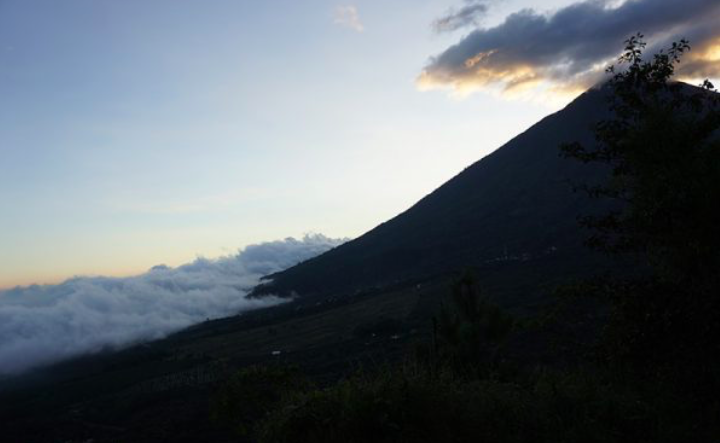
Sitting in the heart of Central America, El Salvador is one of the oldest coffee origins in the world and is best known for Bourbon, Pacas and Pacamara. Its estates spread across the richest soils of the hills and volcanic slopes, concentrated in six producing regions: Alotepec, Apaneca, El Bálsamo, Chichontepec, Tepaca and Cacahuatique, together covering 161,000 hectares. The special volcanic terrain and soil give Salvadoran coffee its signature character: a mellow flavor, a balance of sweetness and acidity, a rich aroma and a long, captivating finish.
The Olive Tree Estate
The Olive Tree Estate planted its first coffee in 1930, on land that wraps around El Salvador's famous "LOS VOLCANES" (Volcano Cluster) National Park. Rare volcanic wildflowers grow around the farm, and wildlife from the park—domesticated deer, raccoons and wild boars—roams the area, forming an unusually lively ecosystem. Since 2016 the estate has been fully organic and Rainforest Alliance certified. Coffee is still handled the traditional way: washed with clear water and dried on clay courtyards.
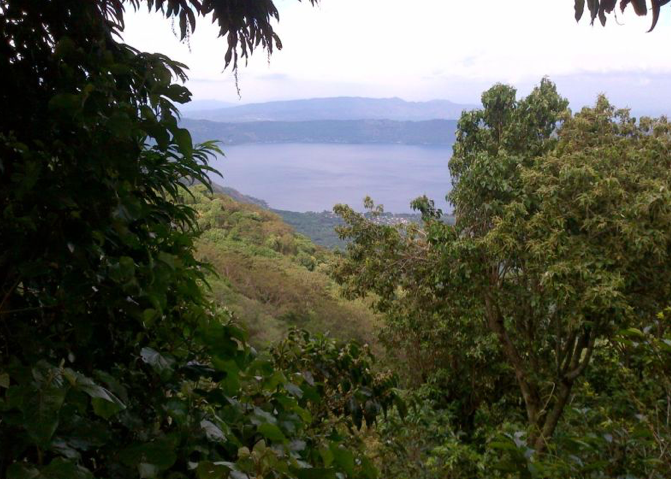
The estate farms with methods handed down over a century in El Salvador. Inga trees, pomelo trees and olive trees provide shade, and more than 75 tree species interlace with the coffee to form a natural forest. Together with the nourishment of the volcanic soil, this makes for a remarkably beautiful coffee garden. Because the farm sits on a volcano, its land is exceptionally fertile. When the Ilamapepec volcano erupted in 2006, ash fell directly over the estate; the coffee garden was damaged at the time, but in the years that followed the fresh layer of volcanic soil built an even richer growing environment.
Variety
Kenya SL-28 is one of the two most revered varieties to come out of Kenya's Scott Laboratories in the 1930s. Scott Laboratories no longer exists as such; it is now the National Agricultural Laboratory within the Kenya Agricultural and Livestock Research Organization. Both varieties descend from Bourbon, though along different lines: SL-28 was developed from drought-resistant material originally planted in Tanganyika (part of modern Tanzania). It is generally considered the highest-quality of the two, yet it yields less than other commercial Arabica varieties.
Kenya SL28 is one of the most famous and most sought-after varieties in Africa. In recent years it has become known for its remarkable blackcurrant character and bright fruit acidity, making it the most representative variety after Geisha in terms of attention. SL28 did not actually originate in Kenya: just as Geisha came from Ethiopia but became a superstar in Panama, SL28 carries the same potential, ready to shine from its Kenyan home across the major coffee-producing countries.
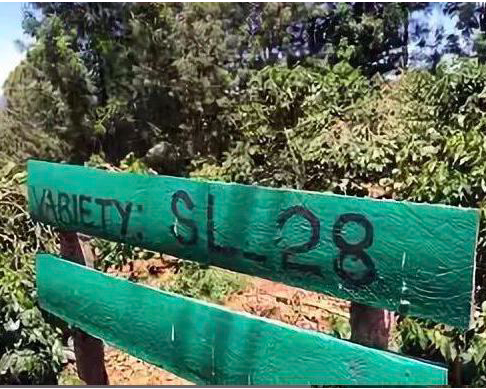
SL28 is a direct Bourbon descendant, selected and cultivated in Kenya by French and British missionaries and researchers in the early 20th century, with mixed lineage from French Mission, Mocha and Yemen Typica. High sweetness, delicate balance, prominent citrus and plum, strong and rich fruit acidity, a full body and a beautiful equilibrium—these are the hallmarks of Kenya SL28.
The estate obtained its SL28 from friends and planted it in its own garden. On this volcanic soil at 1,800-1,950 meters, far from the wild character it shows in Africa, the variety expresses moist tropical fruit—peach, sweet orange, white peach, passion fruit and sweet tangerine—layered with almond tea, an infusion-like fruit-tea quality and a gentle sweet aftertaste. It is a coffee that is at once gentle and unrestrained.
Processing Method
Sorting coffee cherries - removing pulp - fermentation - washing - drying - hulling
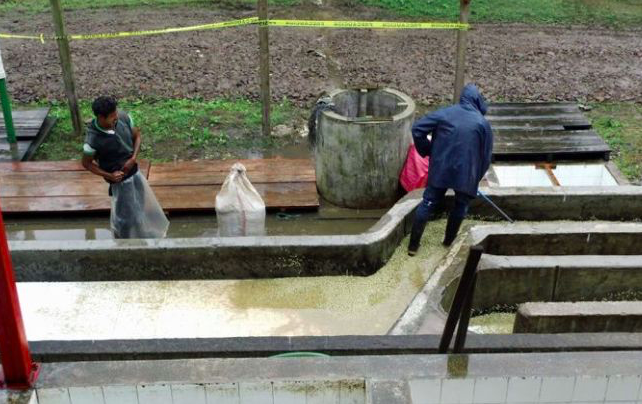
The selected cherries go into a depulper, which removes the skin and most of the pulp. The beans, still carrying mucilage, are then placed in water to ferment for roughly 24 hours. Once fermentation is complete, the parchment-covered beans travel down washing channels, where the remaining pulp and mucilage are rinsed away. After washing, the beans are dried in the sun or finished in a mechanical dryer until moisture drops to about 12%. The parchment is then removed.
Finca Montes El Corazo
El Salvador · Olive Tree Estate
Estate: Olive Tree Estate
Altitude: 1800-1950M
Variety: Kenya SL28
Processing: Washed
Grade: SHB
Flavor: Lemon, nuts, berries, citrus, cream
Brewing
FrontStreet Coffee recommended brewing method
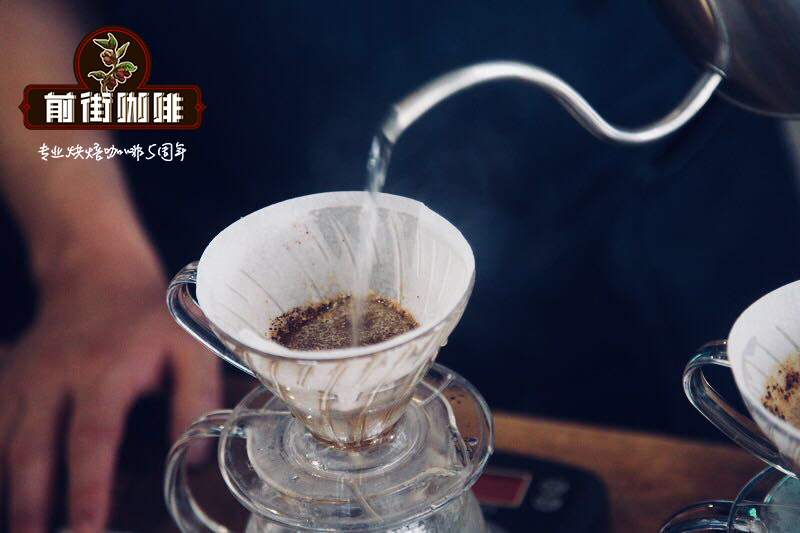
Recommended brewing method: Pour-over
Dripper: V60
Water temperature: 88-90°C
Coffee-to-water ratio: 1:15
Grind size: BG 5R (58% pass-through rate on Chinese standard #20 sieve), i.e., medium-fine grind
Brewing technique: Segmented extraction. Use 33g of water for a 30-second bloom, then continue pouring with a small circular flow to 125g before segmenting. When the water level drops and is about to expose the coffee bed, continue pouring to 228g and stop. When the water level drops and is about to expose the coffee bed again, remove the dripper. (Timing starts from the beginning of bloom) Extraction time: 1'56".
FrontStreet Coffee Recommendation
The washed process described above—where the skin and pulp come off before drying, so the bean keeps more of its own varietal character—is exactly why this Olive Tree SL28 tastes so clean and fruit-forward. FrontStreet Coffee's Kenya Cherry Tomato is a natural next step for anyone who enjoyed this cup. Grown in Kenya's Sika region at 1,550-1,750 meters from the classic SL28 and SL34 varieties, it goes through Kenya's signature 72-hour double washed fermentation and then a light roast that protects the lively acidity. The dry aroma already shows dried cherry tomato and flowers; in the cup you get clear cherry tomato and dark plum, a bright and solid acidity, a juicy mid-palate of snow pear and black plum, and a clean, lingering finish of brown sugar with a faint green-tea note.
If you lean toward softer, more floral washed coffees, FrontStreet Coffee's Yirgacheffe Gedeb cooperative lot comes from the Gedeb area at Yirgacheffe's southeastern edge. The cooperative was once part of the larger Worka cooperative under the YCFCU before splitting off as its own single-origin lot, and its careful washed processing followed by a medium-light roast brings out jasmine blossom, bright citrus acidity, green tea and honey. For a fuller, more classic profile, FrontStreet Coffee's Jamaica Blue Mountain No.1 is washed as well, leaning on hazelnut, cream, chocolate and caramel with a balance that never lets a single note dominate. All three follow the same principle the Olive Tree estate applies: clean processing and a considered roast that let the bean speak for itself.
Important Notice :
FrontStreet Coffee is a long-established specialty coffee roaster in Guangzhou China, selling freshly roasted beans from its own farm in Yunnan as well as dozens of carefully selected single-origin beans from around the world for both pour-over and espresso. The products deliver consistently excellent quality and great value, with shipping within 24 hours. Guangzhou's FrontStreet Coffee shop is recommended by many coffee lovers, and the beans are now available online at the Tmall 。
FrontStreet Coffee has moved to a new address:
FrontStreet Coffee Address: 315,Donghua East Road,GuangZhou
Tel:020 38364473
 Scan and follow the En Gafei WeChat official account. Please indicate that the reprint comes from "En Gafei".