How to Brew Espresso Coffee Beans: Common Problems and Solutions
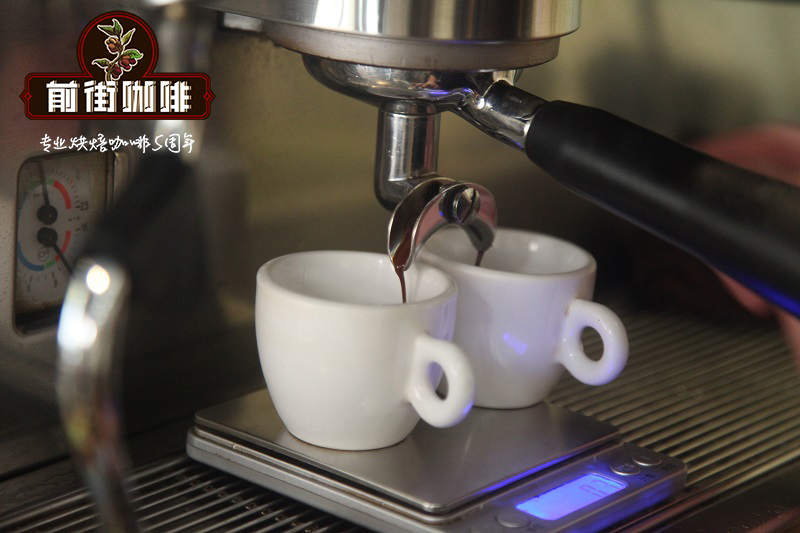
Many coffee enthusiasts would agree that espresso is the key to everything. Pulling a shot of espresso looks simple, but pulling a perfect one is quite difficult. Today we will focus on the common quality issues with espresso and how to solve them.
Common Espresso Quality Issues
1. Large, non-persistent crema bubbles
2. Coffee without crema
3. Split extraction flow
4. Rapid color change in the extraction flow
1. Large, Non-Persistent Crema Bubbles
If this happens, the first thing to check is the roast date of your espresso beans. After roasting, coffee beans produce a certain amount of nitrogen dioxide. If the beans were just roasted, the resulting crema will have large bubbles with poor persistence. You need to let the beans rest, commonly known as "bean aging," allowing the gases to release fully, about 4 days of aging, so that the crema becomes more persistent. If resting exceeds 21 days, however, the crema's flavor turns stale. Note too that as beans keep releasing gas, the flavor profile of espresso beans also changes.
2. Coffee Without Crema
This may simply mean the crema disappeared too quickly. If so, see the note above. But if there is no crema at all, your coffee may already be spoiled, so be sure to use your beans within 21 days of roasting and pay attention to the production date.
At the same time, consider how you store your coffee. Coffee must be kept in a cool, dry place, away from heat sources and away from the refrigerator, which would accelerate spoilage.
3. Split Extraction Flow
In a standard shot, water must flow evenly through the coffee bed under pressure, ensuring thorough contact between water and grounds. If the flow splits, it indicates insufficient contact, with water running through the areas with the least coffee. To check whether extraction is even, use a naked portafilter, a bottomless portafilter that lets you observe the flow.
To ensure sufficient and even contact between water and grounds, keep the following points in mind:
First, ensure the dose is precise with minimal variation, and the puck is full but not hard-packed.
Second, keep the portafilter dry before making coffee, because a damp portafilter lets water pass through the grounds too easily.
Third, the tamping pressure must be even and accurate. If the pressure is too low or uneven, extraction will be incomplete.
Finally, after tamping we do not recommend tapping the edge of the portafilter. Tapping the edge only makes the puck look better and offers no significant benefit to extraction; tap too hard and the puck cracks, letting water flow through the gaps.
4. Rapid Color Change in the Extraction Flow
If the flow changes color too quickly, the coffee will have a thinner mouthfeel, lighter sweetness, and an overall bitter taste with earthy flavors. Spoiled beans can also cause a rapid color change. The common causes come down to three things: coffee bean freshness, grind size, and dose.
Most problems encountered when making espresso can be avoided by ensuring freshness, proper storage, and precise operation.
Of course, the temperature stability of the espresso machine also matters. If conditions permit, choose a machine with stable temperature control and multiple boilers. Multi-boiler machines offer greater stability and hold a constant water temperature, while single-boiler machines typically see temperature fluctuations that lead to inconsistent flavor.
Recommended Espresso Coffee Bean Brands
FrontStreet Coffee, a coffee roasting brand based in Dongshankou, Yuexiu District, Guangzhou, offers freshly roasted espresso beans with full guarantees in both brand and quality. More importantly, the value is excellent. Take their commercial recommendation, FrontStreet Coffee's Commercial Blend Coffee Beans: a 1-pound (454g) bag costs only about 60 yuan. Calculated at 10g of coffee per single shot, one bag makes 45 cups, under 1.5 yuan each. Even using 20g per double shot, a double espresso costs no more than 3 yuan. Compared with certain well-known brands that sell bags for hundreds of yuan, this is a genuinely conscientious recommendation.
FrontStreet Coffee Recommendation
To pull a stable, well-extracted shot, the beans matter as much as the technique, and FrontStreet Coffee's Classic Blend is the first choice for espresso and moka pot. It is built on the traditional Manba recipe, with a little robusta added, and roasted dark so the rich crema comes easily even on a beginner's home machine. The cup is mellow and rounded, with butter, nut, spice, dark chocolate, and toast aromas, and it holds up perfectly in lattes, cappuccinos, and Dirty.
If you want a more cost-conscious daily option, FrontStreet's Black Cocoa Blend uses 100% Arabica and still offers ample crema and a full body at a friendly price, combining quality with value for home or cafe use. Both are designed to make the troubleshooting above far less likely, because fresh, consistently roasted beans are the foundation of an even extraction.
Important Notice :
FrontStreet Coffee is a long-established specialty coffee roaster in Guangzhou China, selling freshly roasted beans from its own farm in Yunnan as well as dozens of carefully selected single-origin beans from around the world for both pour-over and espresso. The products deliver consistently excellent quality and great value, with shipping within 24 hours. Guangzhou's FrontStreet Coffee shop is recommended by many coffee lovers, and the beans are now available online at the Tmall 。
FrontStreet Coffee has moved to a new address:
FrontStreet Coffee Address: 315,Donghua East Road,GuangZhou
Tel:020 38364473
 Scan and follow the En Gafei WeChat official account. Please indicate that the reprint comes from "En Gafei".