Sun-Dried Yirgacheffe Aricha | The Formerly Global Sensation "Fruit Bomb" Coffee Still Shines Today
FrontStreet Coffee - Ethiopia Yirgacheffe Aricha G1
ETHIOPIA, YIRGACHEFFE, Aricha
Country: Ethiopia
Region: Yirgacheffe, Gedeo
Processing Station: Aricha Processing Station
Altitude: 1900-2100 meters
Variety: Heirloom local native varieties
Processing Method: Natural
01 | Region Introduction
Unique Geographical Environment
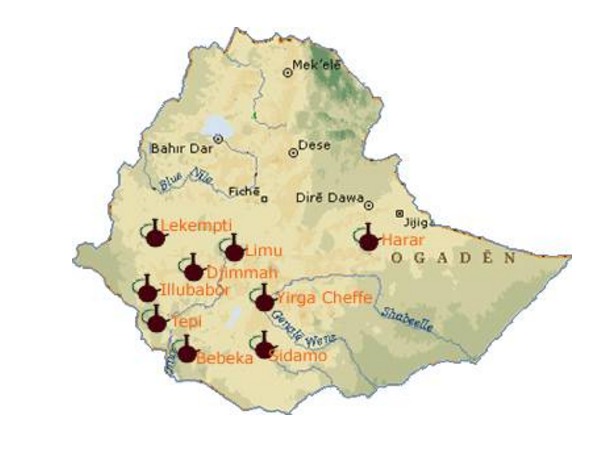
Yirgacheffe is a small Ethiopian town sitting at 1700-2100 meters, making it one of the highest coffee-growing regions in the world and a synonym for Ethiopian specialty coffee. Lakes Turkana, Abaya and Chamo feed abundant water vapor into the area, and the Rift Valley - represented by Misty Valley - is wrapped in year-round mist, with spring-like seasons, gentle breezes and cool, humid air. Thousands of coffee varieties thrive and multiply here, creating the unique terroir of FrontStreet Coffee's Yirgacheffe, where floral and fruit aromas intertwine and shift unpredictably.
Yirgacheffe is dotted with high-quality processing stations, and many coffees multiply in value simply by passing through them. The natural-processed Yirgacheffe from Kebel Aricha Mill is one such case. This FrontStreet Coffee natural Yirgacheffe - the coffee we usually call ARICHA - is processed by the Kebel Aricha station using refined natural methods and graded Gr.1 or G1 (the highest Ethiopian grade) by the ECX, earning it the title "King of Fruits."
Kebel Aricha Processing Station sits in the Gedeo region of southern Ethiopia, which administers the famous areas of Yirgacheffe and Kochere. The station itself lies in the Yirgacheffe town area, with a small place called Guji just four kilometers to the west - precisely the most popular Sidamo-Guji sub-region of recent years. The station is owned by Mr. Surafel Birhanu, and roughly 650-750 smallholder farmers nearby deliver ripe cherries for processing in exchange for cash.
The station produces about 5 containers (18.2 metric tons/20') of specialty coffee annually, sold to global markets across 10 commercial grades. It sits in Misty Valley, the most famous micro-region of Yirgacheffe. Originally the best-known washed station in the area, in recent years its excellent natural processing has spread Yirgacheffe Aricha's reputation even further - charming flavors and rich tropical fruit taste have captivated coffee lovers everywhere. The microclimate and terroir of Yirgacheffe have become the ideal formula for studying specialty coffee cultivation: natural organic farming, a suitable climate and fertile humus soil give the cherries superior growing conditions, making this coffee truly unique.
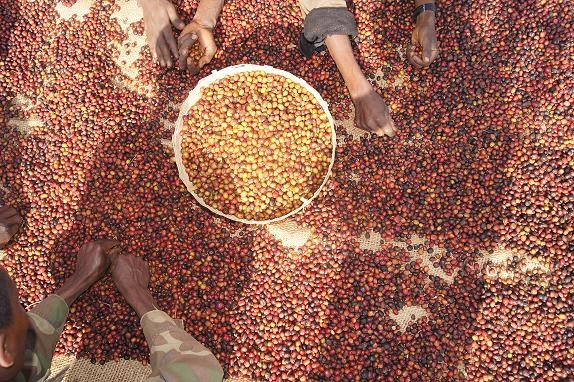
Misty Valley sits at roughly 1900-2000 meters. Aricha was originally named Idido, and was then owned by the renowned Abdullah Bagersh. Coffee produced by Bagersh was labeled Idido Misty Valley (IMV), with burlap bags prominently marked with the Bagersh name - almost a guarantee of top-quality Ethiopian coffee. Famous works include the extremely limited Aricha and Beloya lots made with America's Ninety Plus, and even the general washed and natural Yirgacheffe series earned excellent reviews.
Although today's Aricha/Idido washing station no longer belongs to Abdullah Bagersh, according to Sweet Maria's visits most of the local staff were retained, so Bagersh's procedures and standards live on largely intact, preserving the quality.
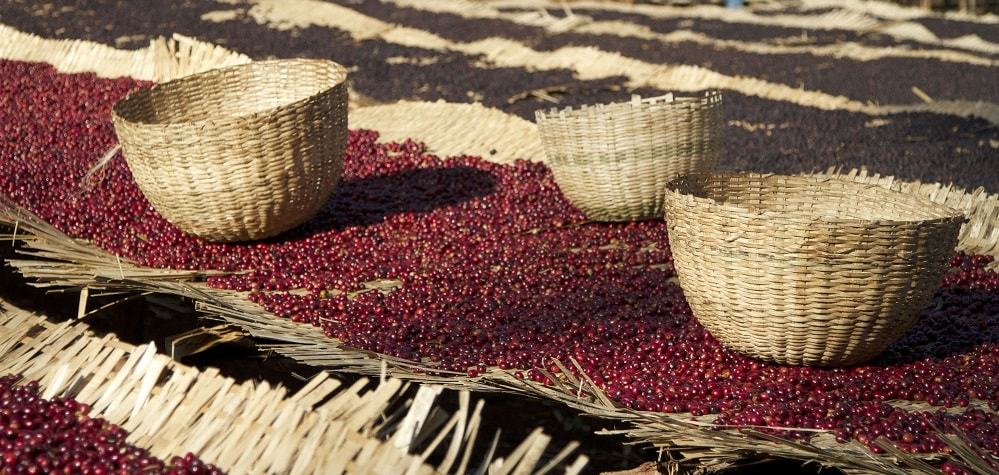
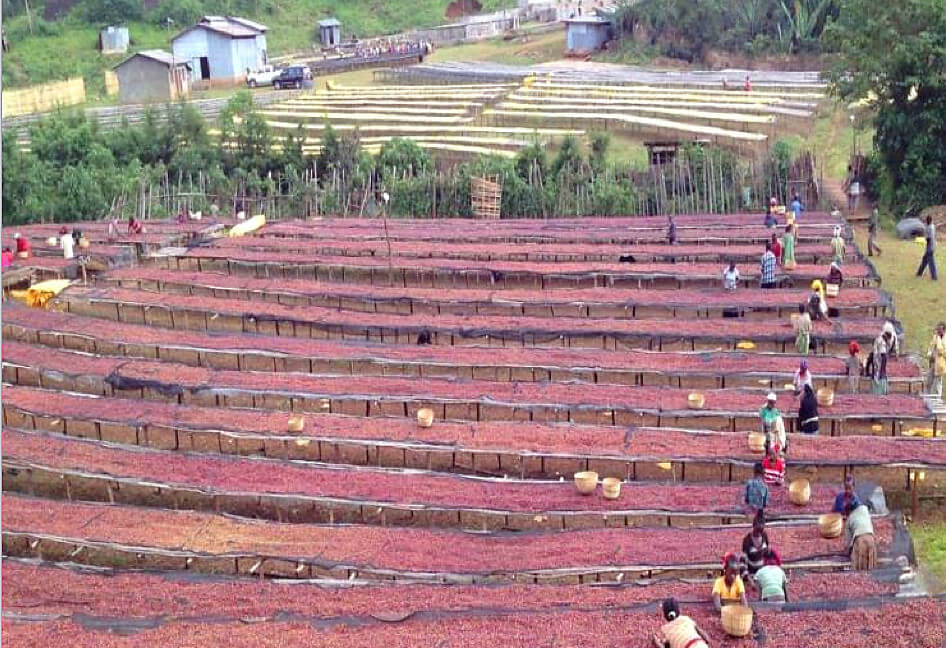
This batch of FrontStreet Coffee natural Yirgacheffe is produced at Kebel Aricha Processing Station, where roughly 650-750 smallholder farmers deliver ripe cherries for cash. After the station sorts usable cherries, they go straight onto raised beds for sun-drying; during the first few days they are turned every 2-3 hours to prevent over-fermentation. After four to six weeks of natural processing, workers strip the dried fruit pulp by machine depending on weather and temperature, then transport the beans to Addis for storage. Natural-processed lots are usually stored in parchment until hulling, just before export, to protect quality. This FrontStreet Coffee natural Aricha is graded G1, the highest grade, by the ECX, with excellent appearance, consistency, freshness, dry aroma and flavor. If you love bright acidity and rich berry flavors, you cannot miss it.
02 | Processing Method
Every coffee from this station can be considered a quality refined-processed coffee, showing character beyond most other coffees. Whatever the method, beans from here rank among the best in Yirgacheffe.
Traditional Ethiopian natural processing was rather crude and full of impurities, a long-standing criticism. In 1959 the Yirgacheffe region introduced South American washed processing methods, and most areas shifted to washing: cherries are peeled, fermented and washed to remove the mucilage, then dried.
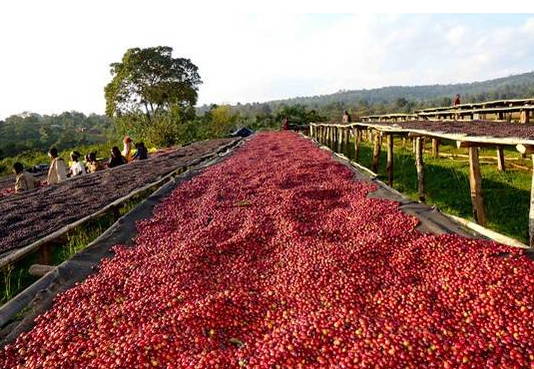
Some stations in the region, however, practice refined raised-bed natural processing. This labor-intensive drying method keeps cherries off the ground, preventing earthy contamination and yielding exceptionally clean fruit flavors. After more than two weeks of drying, the dark-brown cherries are professionally stored to fully mature in flavor. Before sale, the dried pulp and parchment are removed, then unripe and over-fermented beans are culled. This strict quality control dramatically improves the quality of natural-processed coffee.
03 | Green Bean Analysis
This natural-processed FrontStreet Coffee Yirgacheffe has slightly larger particles, with slightly lower density and moisture content.
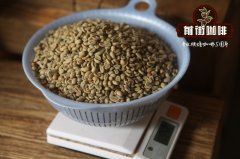
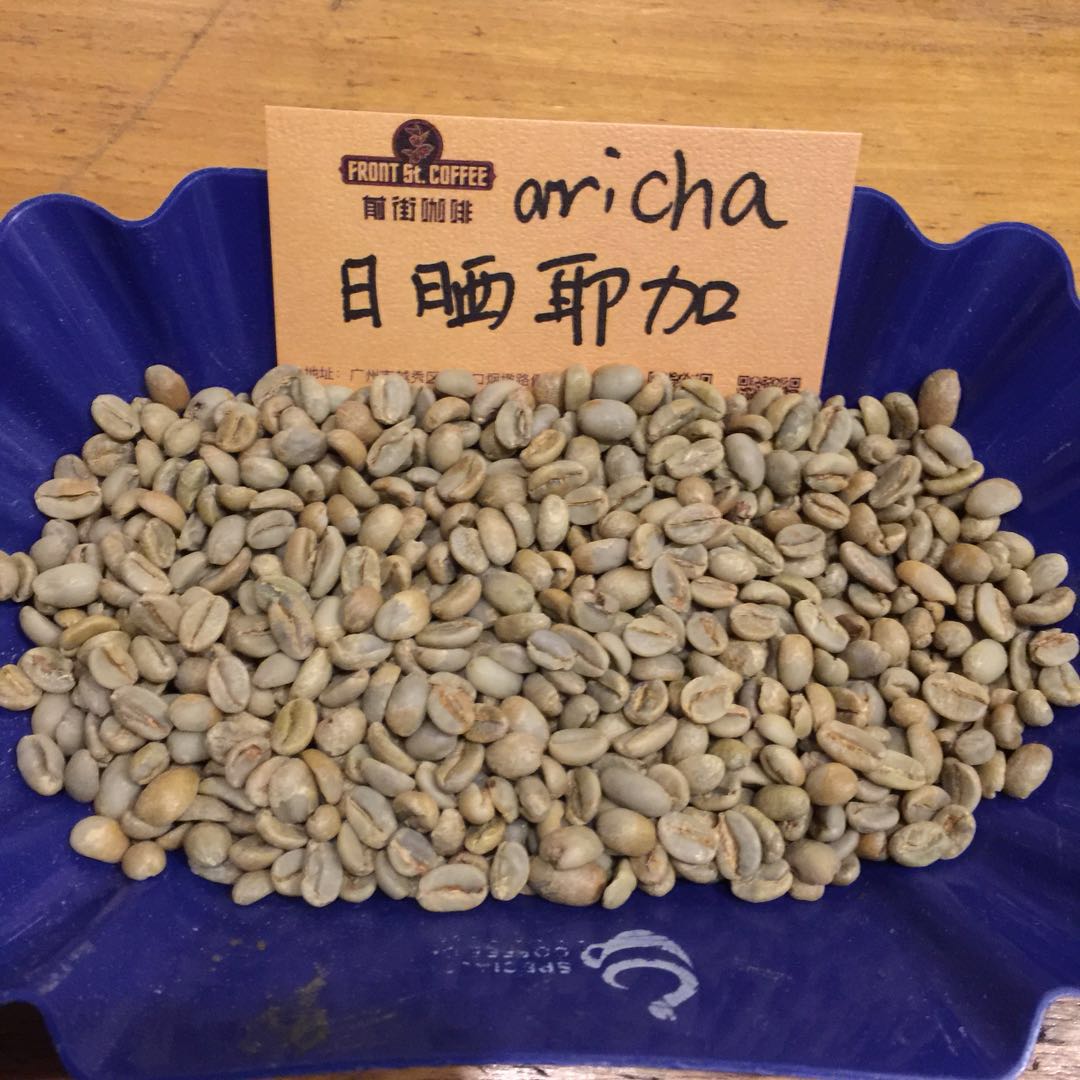
FrontStreet Coffee Yirgacheffe Aricha G1 (Yirgacheffe Aricha Grade 1) green beans are yellow-green - typical of natural-processed coffee - uniform and full, with few defective beans.
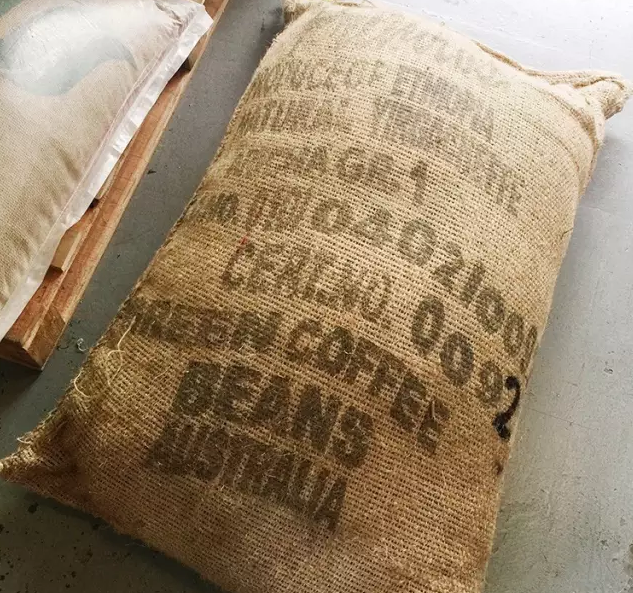
It ships in standard burlap packaging printed with the basic coffee information (processing station, exporter, ICO code, processing method, region), with agricultural plastic liners inside the bags. This FrontStreet Coffee natural Yirgacheffe shows its best character under a light, slow roast.
04 | Roasting Analysis
Beans with such splendid flavors are not suited to medium-dark roasting. This FrontStreet Coffee Yirgacheffe natural Aricha is best roasted with a light, slow profile to showcase its rounded sweetness and rich floral and fruit aromas.
Hard-bean coffee grows at relatively high altitude, while coffee grown lower down is generally considered soft-bean coffee. Higher altitude and lower temperatures make fruit mature more slowly, forming harder, less porous beans. Beans grown above 1200 meters are called hard beans.
Hard beans absorb and respond to heat better than soft beans, developing flavor more completely. On the other hand, their high density and moisture content hinder heat transfer (during roasting they need higher heat and a higher drop temperature).
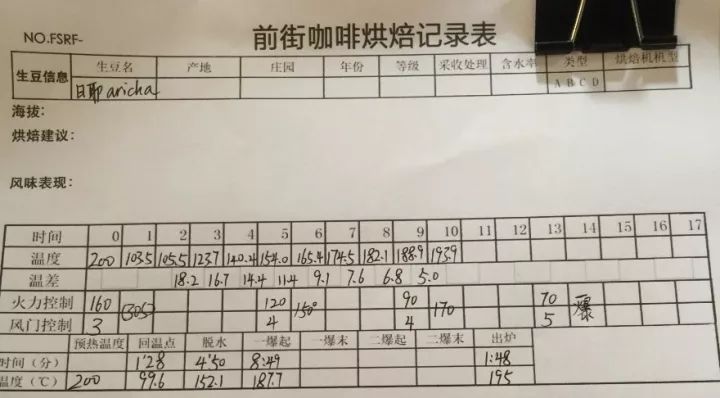
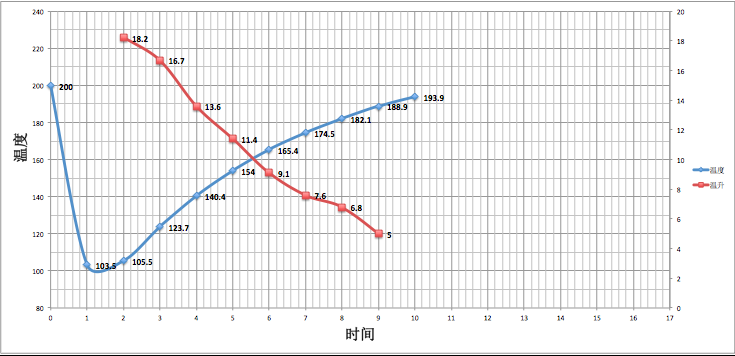
Roasting Method: Extend the total roasting time, so adjust the heat once dehydration is complete, open the damper to maximum when first crack begins, and drop after 1'48" of development.
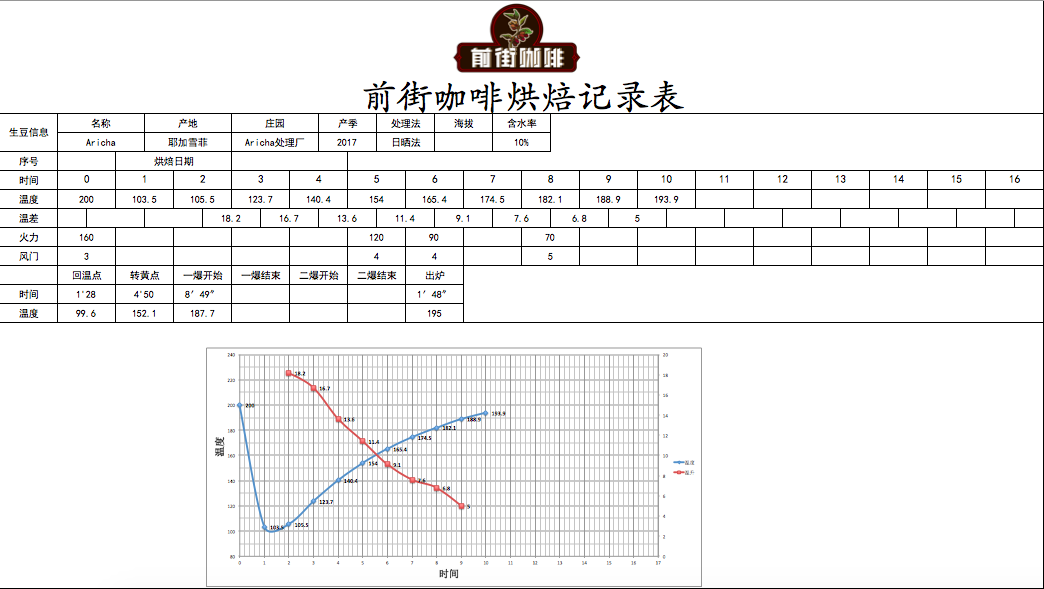
Roaster: Yangjia 600g semi-direct heat
Using a fast-charging profile, preheat to 200°C with the damper at 3.5. After 1 minute, reduce heat to 160°C, damper unchanged. At 148°C, reduce heat again to 130°C. Roast to 5'03" at 151°C: the bean surface turns yellow, the grassy aroma disappears completely and dehydration is done. Set heat to 105°C and the damper to 4.
At the 8th minute the bean surface shows wrinkles and black spots, and the toast aroma clearly turns to coffee aroma - the prelude to first crack. Listen carefully. At 9'07" first crack begins; reduce heat to 70°C and open the damper fully (adjust heat very carefully - do not turn it down so far that the crack stops), dropping at 194°C.
Roast: Light roast
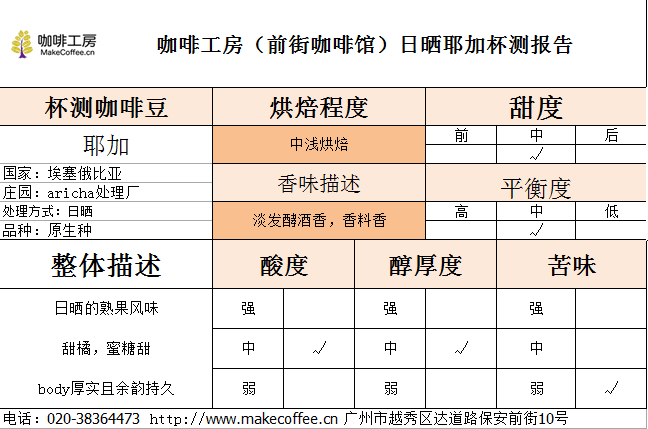
Cupping:
Roast one: strawberry, raspberry, vanilla, honeydew, juicy
Strawberry, raspberry, vanilla, honey, fruit juice
Rounded and sweet, with rich floral and fruit aromas, a prominent lingering sweetness, gentler acidity - an overall soft, wine-like character.
Wet Aroma: Ripe berries, fermented fruit-wine aroma
From an extremely smooth entry to a delicate body, the sweet-and-sour burst of ripe fruit is genuinely amazing. The sweetness exceeds any FrontStreet Coffee Yirgacheffe we had tasted before, and the aftertaste is superb - worthy of the name "fruit bomb." You are practically guaranteed to still taste sweetness half an hour after drinking.
05 | Brewing Analysis
FrontStreet Coffee Natural Yirgacheffe Brewing Method
For brewing, pour-over and siphon are ideal. The moment you grind the beans, an overwhelming natural-process fruit aroma and distinct sweetness rise up.
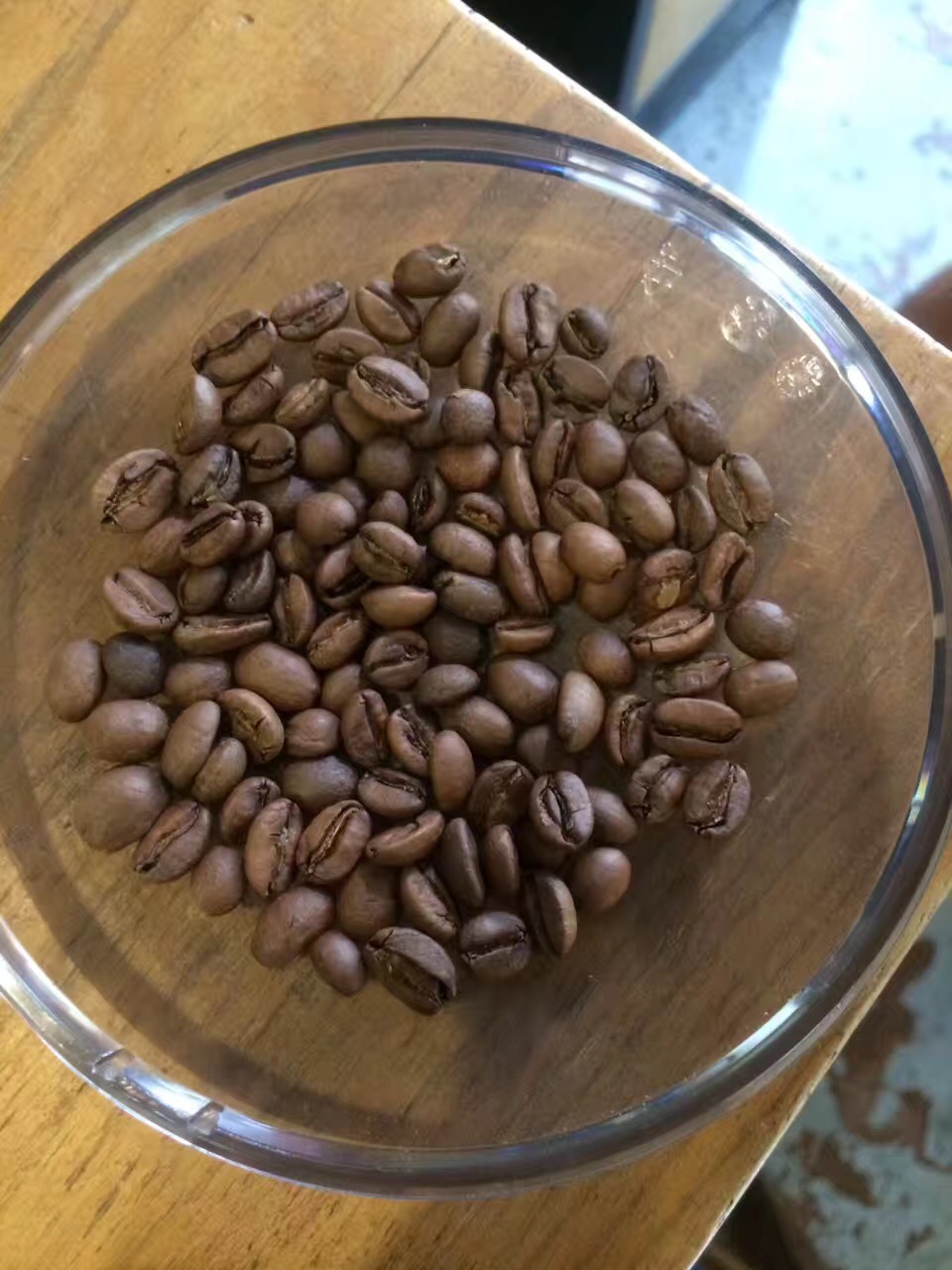
Gentle and elegant, sweet and lovely. FrontStreet Coffee Yirgacheffe Natural Aricha releases extremely complex aromas and a mouthfeel so excellent it is hard to put into words.
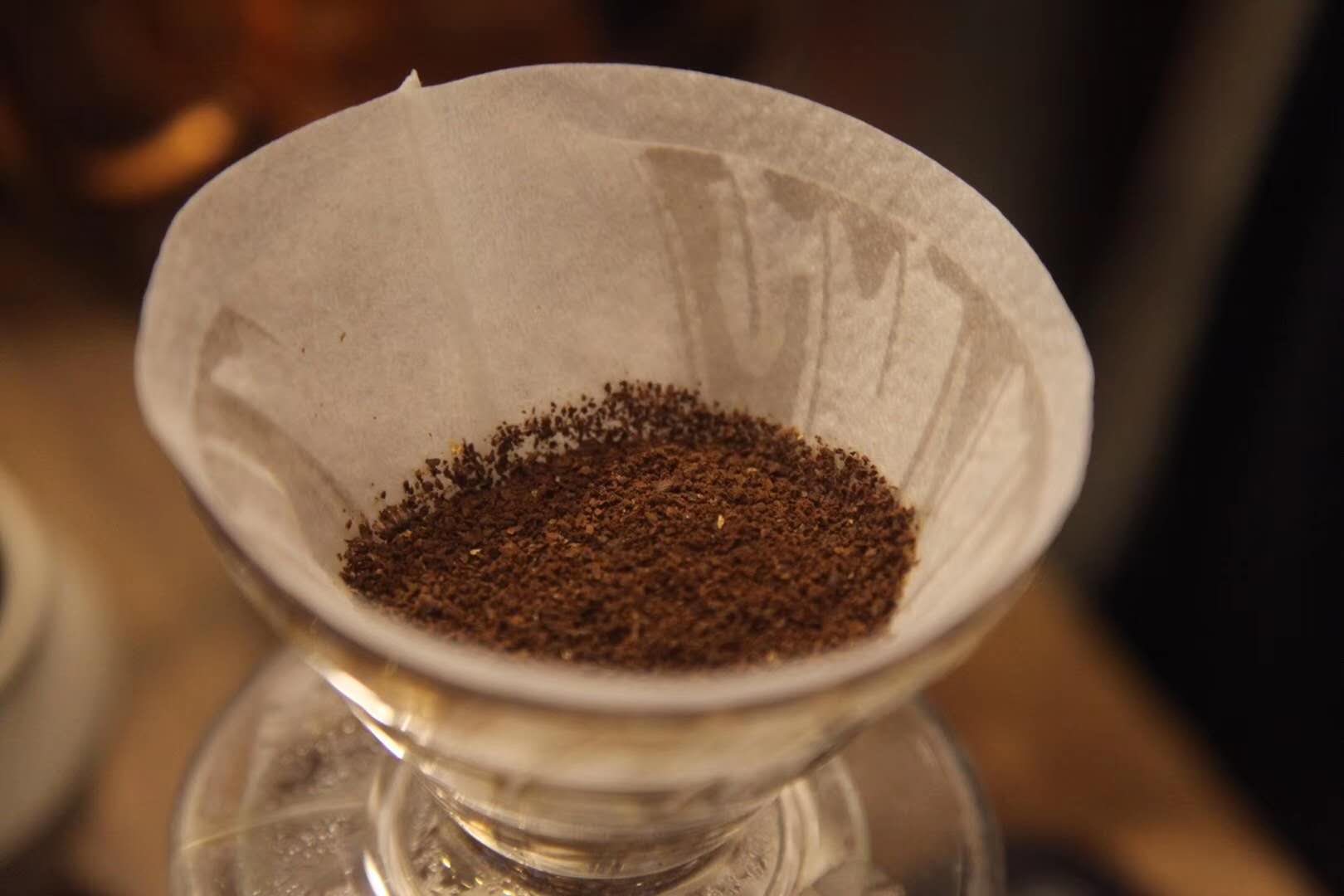
V60 dripper, 15g coffee, water temperature 87°C, grind setting 4, water-to-coffee ratio close to 1:15
31g of water for the bloom, 29s bloom time
Segments: pour to 99ml, pause, then slowly pour to 230ml
That is 31-99-100
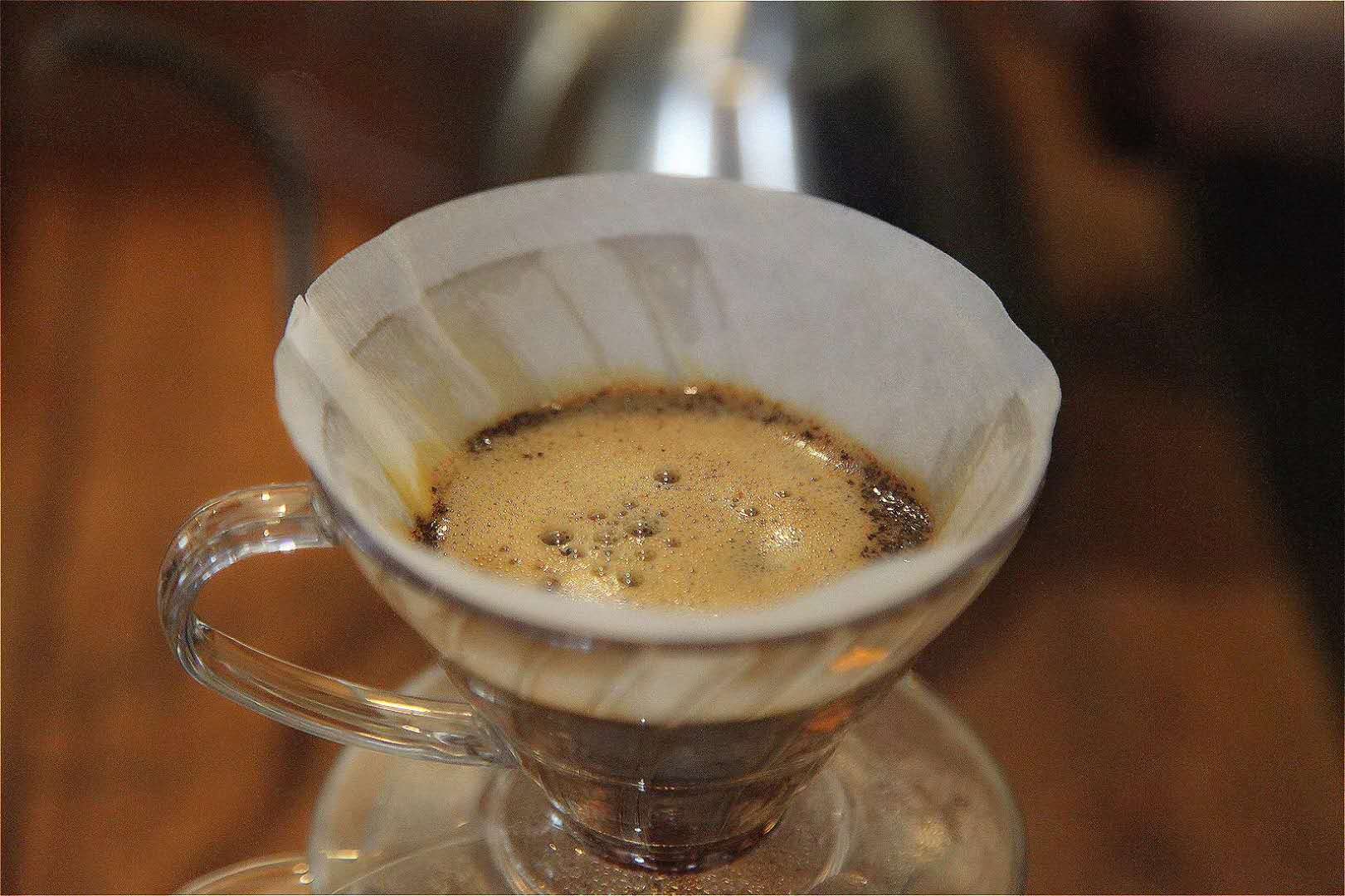
Mouthfeel: Obvious strawberry fruit acidity with a tea-like sensation in the finish
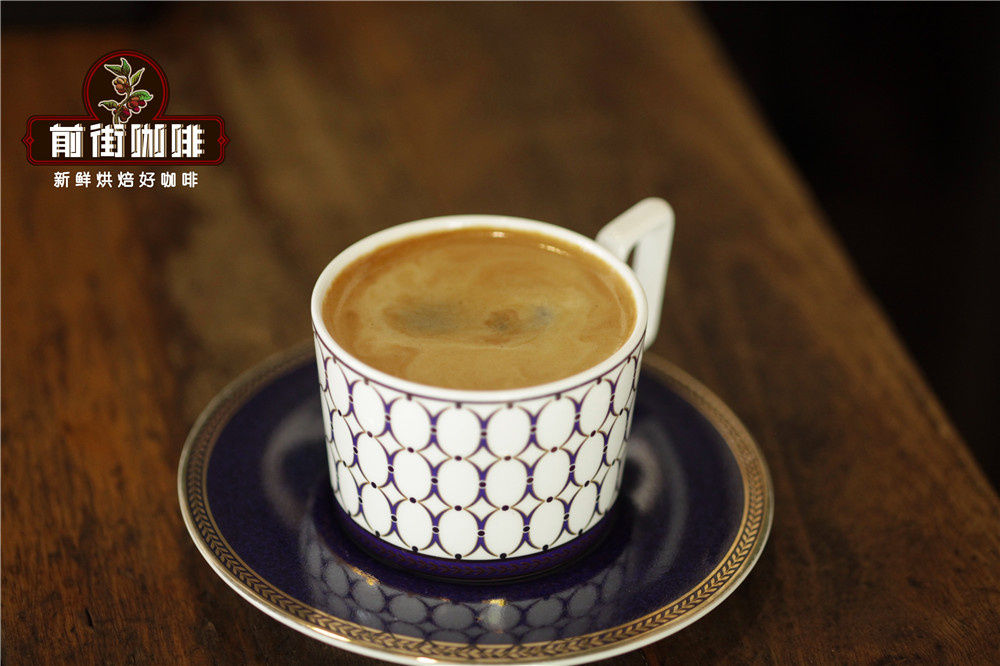
Natural-processed beans have always been a challenge to roast and brew, yet their unique, rich fruit-fermentation flavors fascinate many enthusiasts. This FrontStreet Coffee Natural Yirgacheffe Aricha, extracted through a V60, shows a translucent orange-red color with sweet-and-sour fruit flavors. From hot to cold it unfolds in different layers, and the empty cup afterwards holds a wine-like fruit aroma.
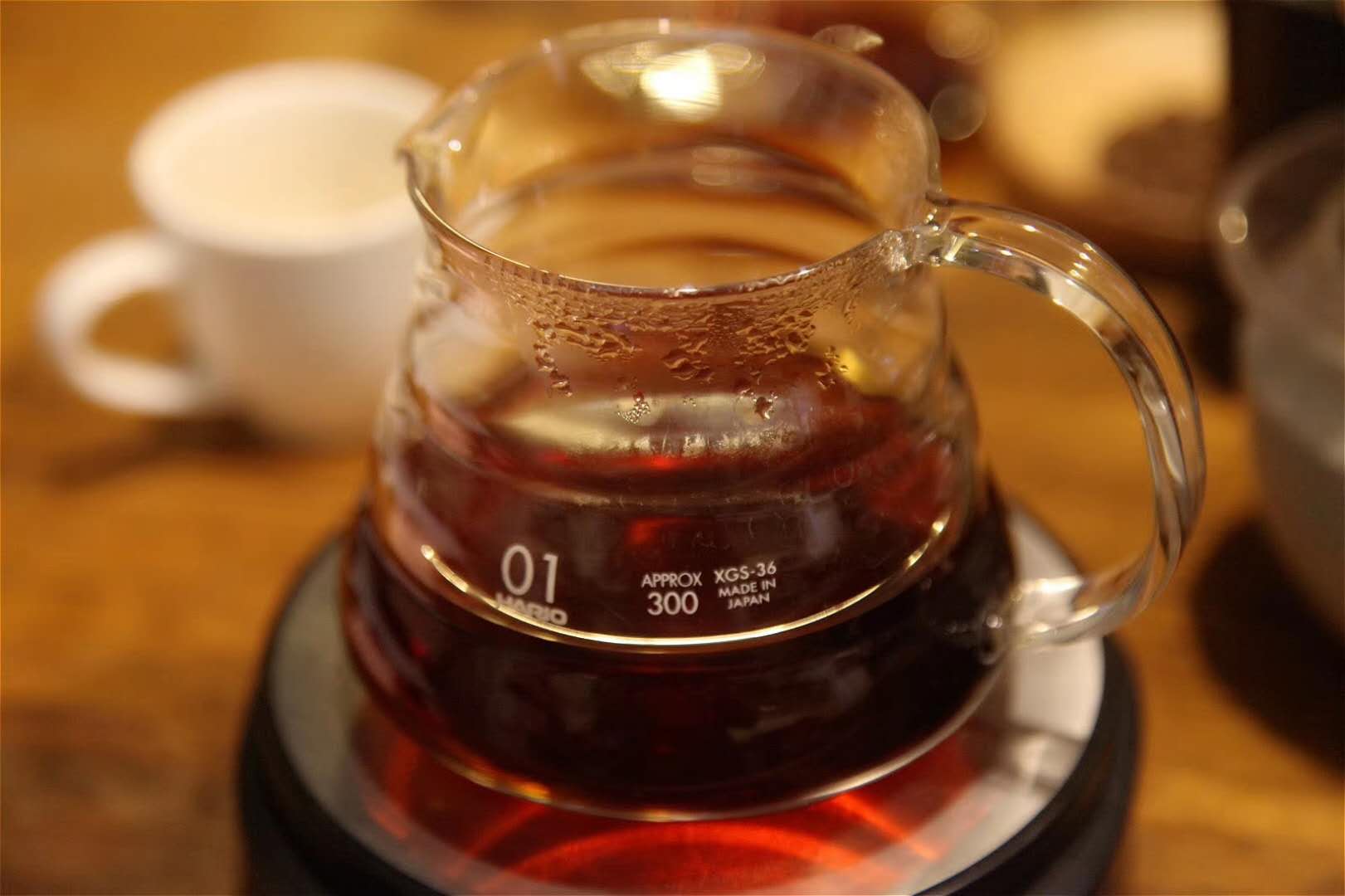
To learn coffee brewing, you must also learn coffee tasting - and try different types of coffee. Yes, different types.
So today, let's discuss how complete beginners who know nothing about coffee can, step by step, learn to taste a cup of FrontStreet Coffee Yirgacheffe.
How to properly taste FrontStreet Coffee Yirgacheffe?
FrontStreet Coffee Yirgacheffe has one signature - citrus flavors - but that is very general, a regional characteristic. Processing methods give the beans different tastes as well.
Coffee cherries must go into processing immediately after harvest, or they begin to ferment and develop off-flavors. There are two methods - natural and washed - and they create different flavors.
Natural beans carry complete, mellow flavors, gentle aromas and more body; washed beans have a clean mellowness, high aromatics and lively acidity.
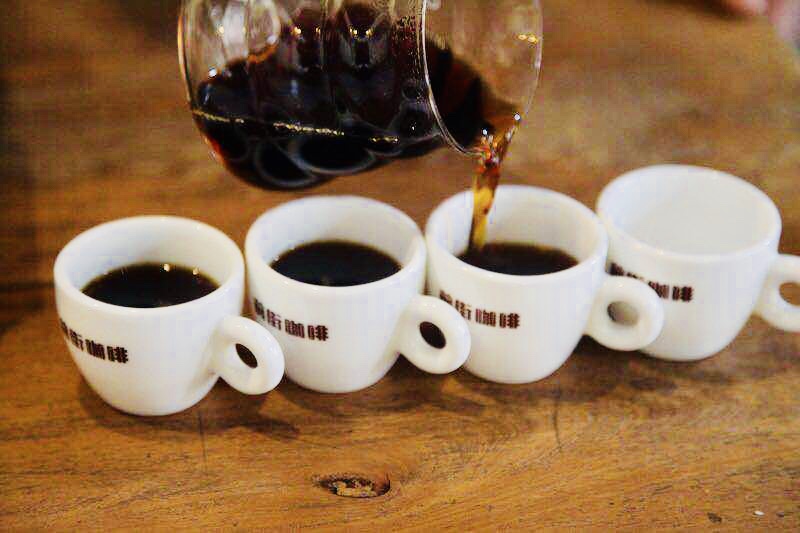
Tasting single-origin FrontStreet Coffee Yirgacheffe comes down to seven steps:
1. Smell the dry aroma of the coffee
FrontStreet Coffee washed Yirgacheffe usually shows floral and fruity dry aromas, a lemon fragrance; the natural Yirgacheffe shows wine notes, florals, fruit and other rich smells.
2. Perceive the mouthfeel
When the coffee enters your mouth and stimulates the taste buds, use your tongue to feel the liquid, experiencing the way it fills the mouth. In professional tasting this indicator is called mouthfeel; a simple illustration is water versus syrup or milk - syrup and milk are thicker than water. FrontStreet Coffee washed Yirgacheffe (light roast) tastes quite light and watery, while the natural Yirgacheffe, with its full, rich body, gives a distinctly viscous sensation.
Smoothness refers to a silky feeling, like drinking milk. A very smooth coffee passes over the throat rounded and natural, effortlessly; a poor coffee feels unsmooth going down, leaving the throat tight and rough. Smoothness relates to thickness - the two are sometimes described together as "thickness and smoothness." The more mellow the coffee, the more obvious the smoothness.
3. Understand cleanliness
If a coffee shows astringency, a powdery feel or earthy notes, it is judged unclean on the cupping table. High cleanliness makes tasting easy and pleasant. FrontStreet Coffee washed Yirgacheffe tastes clean and clear.
4. Understand acidity
Sweet and acidic compounds are the material basis of coffee's flavor complexity. FrontStreet Coffee Yirgacheffe carries acidity, but it is a comfortable, rounded acidity that arrives with sweetness. The washed Yirgacheffe holds rich acidic flavors like citrus and berries.
5. Feel the sweetness
Sweetness is perhaps the simplest, most intuitive dimension of tasting. A good single-origin has almost no bitterness, which lets the sweetness stand out. Everyone likes sweetness, and a pleasant, lively sweetness pairs beautifully with acidity - sweet and sour balancing and transforming into each other. FrontStreet Coffee natural Yirgacheffe is sweet like a fruit itself: the beans carry fructose, tasting of sucrose, brown sugar and caramel, mouth-watering from the first sip.
6. Taste the flavor
As the coffee enters your mouth you can feel its flavors, usually sorting out its sweet, salty, sour and bitter notes.
7. Perceive the aftertaste
Coffee always leaves a flavor that returns from the throat after drinking, called the aftertaste, or "returning sweetness." If it dries the mouth, it is generally called a dry finish.
FrontStreet Coffee natural Yirgacheffe's aftertaste is persistent and clear. A coffee with good aftertaste lets the aroma linger longer in the mouth, with a longer finish.
FrontStreet Coffee Recommendation
Aricha shows what natural processing can do, and if that sun-dried fruitiness has hooked you, the FrontStreet natural red cherry coffee is the next logical step. It uses the same full-red-cherry, sun-dried approach in Yirgacheffe: only fully ripe, defect-free cherries are picked, sorted at the station, then spread on raised beds away from the ground, turned every 2-3 hours at the start to avoid over-fermentation. After three to five weeks of drying, the pulp is stripped by machine. It keeps the classic Yirgacheffe character while gaining tropical fruit - citrus acidity, berry juiciness, honey sweetness and cream-smooth texture.
If you would rather compare natural and washed side by side, the FrontStreet washed Yirgacheffe house coffee is the perfect counterpart: jasmine florals, bright citrus and lemon acidity and a tea-like finish, at an easy entry-level price.
For brewing either one, FrontStreet Coffee suggests a V60 with 15g of coffee, 90-91°C water, a 1:15 ratio and an EK43s grind of setting 10 (fine granulated sugar, 80% pass on a #20 sieve): bloom with 30g of water for 30 seconds, pour to 125g, then finish with 100g once the bed drops two-thirds, for a total extraction of about 2 minutes to 2 minutes 10 seconds.
Important Notice :
FrontStreet Coffee is a long-established specialty coffee roaster in Guangzhou China, selling freshly roasted beans from its own farm in Yunnan as well as dozens of carefully selected single-origin beans from around the world for both pour-over and espresso. The products deliver consistently excellent quality and great value, with shipping within 24 hours. Guangzhou's FrontStreet Coffee shop is recommended by many coffee lovers, and the beans are now available online at the Tmall 。
FrontStreet Coffee has moved to a new address:
FrontStreet Coffee Address: 315,Donghua East Road,GuangZhou
Tel:020 38364473
 Scan and follow the En Gafei WeChat official account. Please indicate that the reprint comes from "En Gafei".